The Girona regions have surpassed the installation figures for telematic devices to monitor male aggressors from all of 2025 in just seven months of 2026. As of July 24th, four new tracking systems have been activated, compared to the three installed throughout the previous year, representing a 33.3% increase.
Official data indicates that the cumulative number of installations in the province has risen from 68 at the end of 2025 to 72 in 2026, a 5.9% increase. This figure includes all systems deployed since the service began, regardless of whether they have been subsequently removed.
The number of active devices has also grown significantly. Girona closed 2025 with five operational tracking systems, and currently has eight, three more than the previous year, marking a 60% increase. This figure places the active devices among the highest in the historical series, matching values from other years but falling short of the peaks recorded in 2020 (eleven) and 2022 (nine).
Since the first installation in 2010, a total of 72 telematic devices have been deployed in the province, an accumulated figure that does not match the eight currently operational.
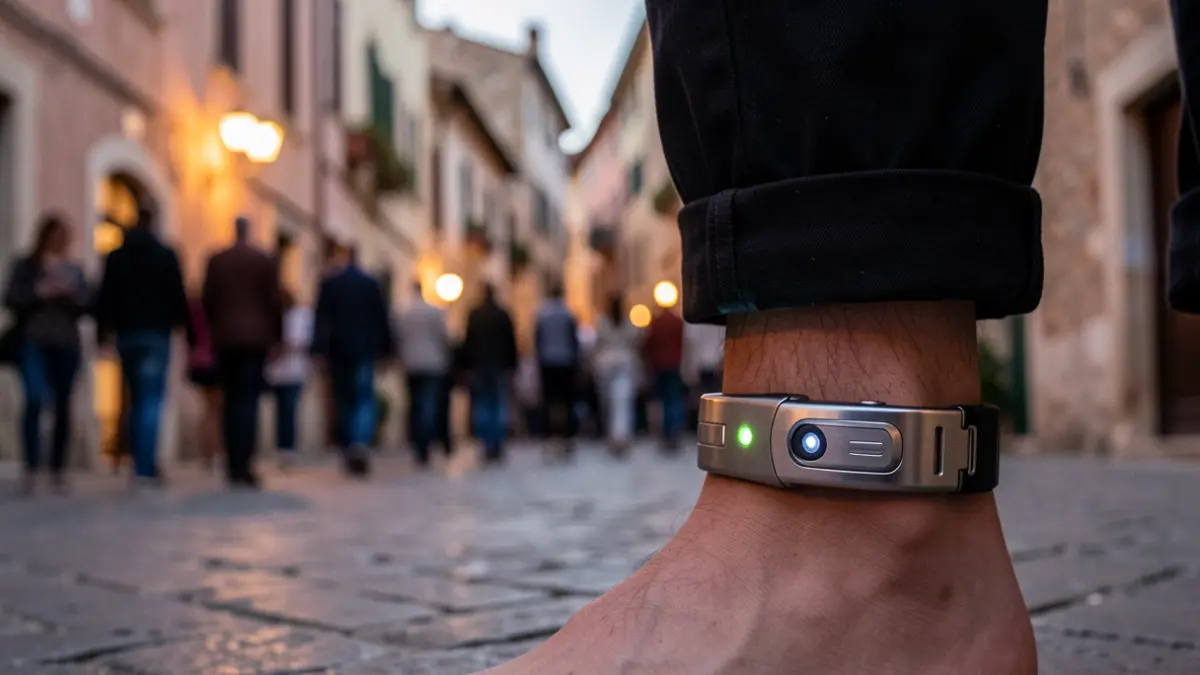
These mechanisms allow for the continuous monitoring of whether an investigated or convicted individual complies with a judicial restraining order. The system alerts to potential violations of the set distance and any attempts to tamper with the devices. The aggressor's device, worn on the wrist or ankle, works in conjunction with a control mobile phone that records its location. The victim receives alerts on their terminal when the aggressor enters the exclusion zone.
The decision to install these devices rests with a judicial authority within a gender violence proceeding, not with law enforcement agencies. The resolution is communicated to the Telematic Measures Control Center (COMETA), responsible for coordinating the deployment of the equipment. COMETA operates 24 hours a day, monitoring the devices and relaying alarms to the relevant authorities to enhance victim protection and deter the aggressor.