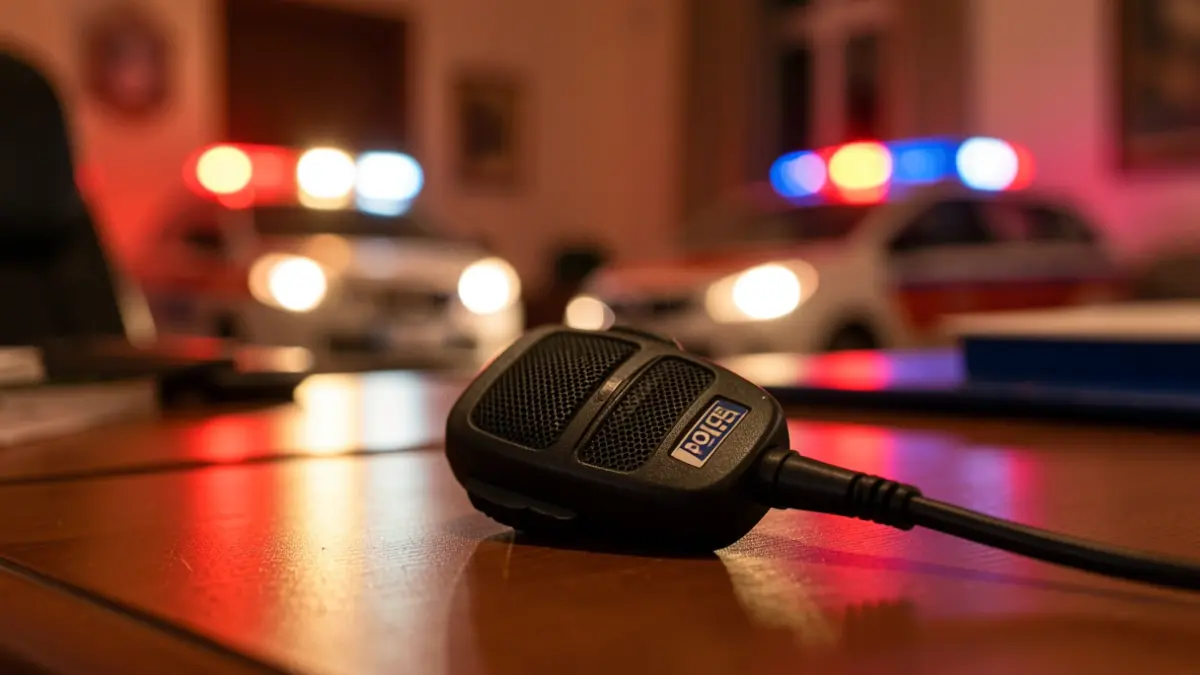
The new contract will have an initial duration of two years and will ensure the uninterrupted operation of the centre, which handles calls related to emergencies, urgent situations, and citizen security incidents. The service, operational 24 hours a day, 365 days a year from the police facilities, includes receiving, handling, and managing calls, transferring basic information, entering data into IT systems, and communicating requests to officers. Operators will also be able to resolve direct queries that do not require police intervention.
The detailed budget includes €602,098.90 as a base amount and €126,440.77 for VAT. Labour costs, encompassing salaries (€362,802.73) and Social Security contributions (€123,352.93), represent the largest portion. General expenses, business profit, and indirect costs such as staff training and protocol updates are also covered.
The current contract, awarded in 2022, expires on September 7th. The new tender anticipates the service commencing on November 1st. Due to administrative impossibility in seamlessly transitioning between contracts, the City Council has arranged an extension of the current service to ensure continuity throughout October. The new contract may be extended twice for one-year periods, up to a maximum of four years, with an estimated value of €1,324,617.58 excluding VAT.
The planned staffing for the new service will consist of eight people: seven telephone operators and one supervisor. Hourly coverage will vary by day, with two operators per shift on weekdays and Saturdays, and one operator per shift on Sundays and holidays. An estimated 14,112 service hours annually are calculated, including a reserve of 440 hours to bolster the centre during extraordinary situations like festivals or emergencies.
The documentation sets out key quality indicators: a minimum telephone coverage of 95%, an average waiting time of less than 15 seconds for 80% of calls, and a maximum of 20 seconds. The rate of abandoned or lost calls must not exceed 5%. The City Council will verify compliance through IT system data, occasional call monitoring, and a 'mystery caller' mechanism.