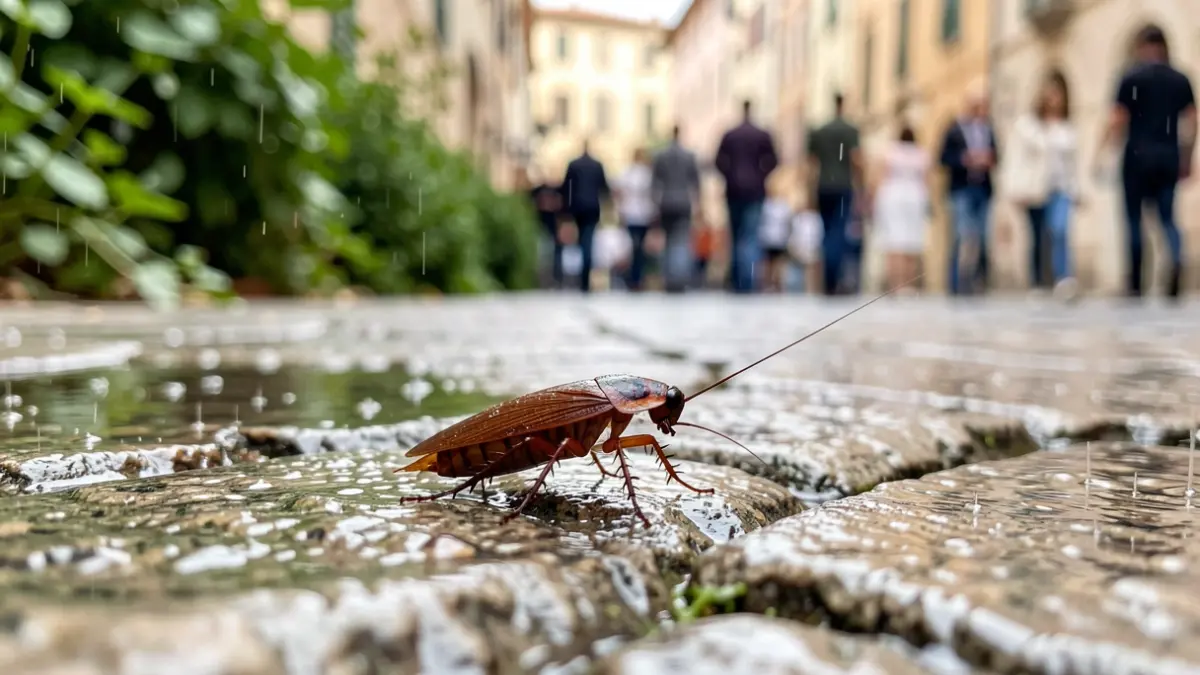
Pest control companies in Catalonia are warning of a significant increase in cockroaches and mosquitoes due to current weather conditions. The combination of recent rains and a sudden temperature rise has created an "ideal scenario" for the proliferation of these insects, which can act as vectors for various diseases. Furthermore, urban construction work and mild winter temperatures contribute to extending the pest season, a phenomenon the association calls "deseasonalization".
The spokesperson for Adepap, who has not been identified by name following privacy guidelines, anticipates a "complicated year" regarding mosquitoes, particularly the tiger mosquito, which can transmit diseases like dengue, zika, and chikungunya. This daytime mosquito reproduces in small domestic water accumulations. The common mosquito, active at night, can transmit the West Nile virus, endemic in Spain. The association points to climate change and international mobility as factors increasing the risk of autochthonous tropical diseases.
Cockroaches are also a growing concern. Preventive campaigns in the sewage system detect high populations of these insects, which can contaminate food and surfaces, transmitting pathogens like those causing salmonellosis. Urban construction, involving earthmoving and sewage system openings, favors their appearance and that of rodents. Adepap recommends preventive measures such as hygiene, proper waste management, and preventing pests from entering homes.
The association also warns about the risks associated with rats, reservoirs of serious zoonotic diseases such as hantavirus and leptospirosis. Although the hantavirus strain that caused a recent outbreak on a cruise ship is not present in Europe, the general risk posed by these rodents to public health should not be underestimated.