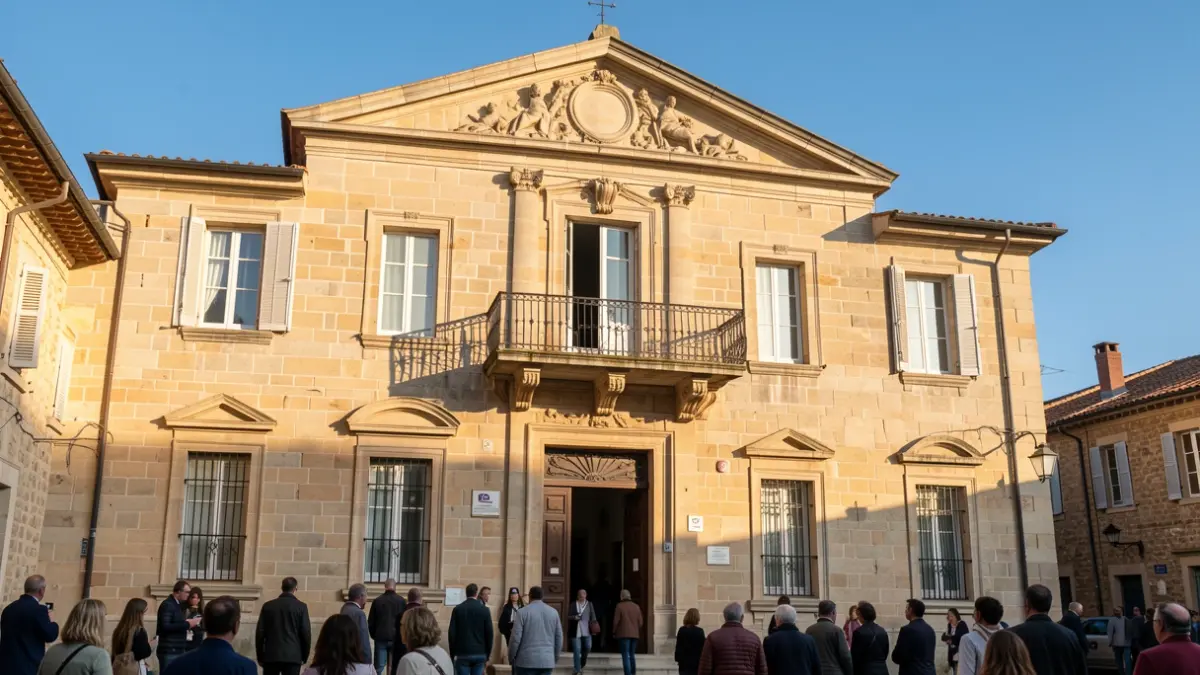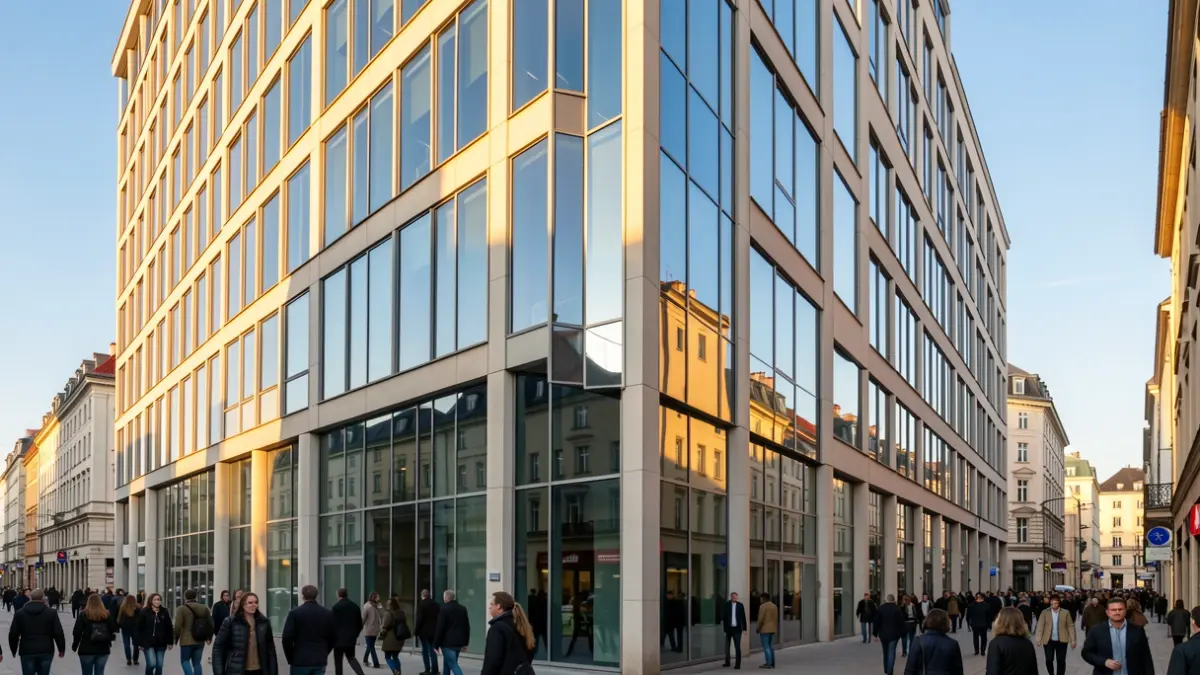
The energy cooperative Som Energia, founded in 2010 in Girona as a project linked to the UdG to challenge the electricity oligopoly, has established itself as a significant player in the energy sector in Catalonia and Spain, now boasting 87,000 members. The celebration of its 15th anniversary in late 2025 marked a turning point, with the relocation of its offices from the UdG's Science and Technology Park to a new headquarters in the Devesa neighborhood, in central Girona. Furthermore, a strategic plan has been initiated with the goal of doubling electricity supply contracts within three years.
Marta Doncel, co-general coordinator of Som Energia, explains that the cooperative's growth is attributed to perseverance and the commitment to transforming the energy model, but primarily to the individuals who supported it from the outset. Word-of-mouth has been crucial in attracting new members interested in contracting electricity, installing solar panels, or participating in collective self-consumption and energy communities. Doncel highlights that the current structure is prepared for significant expansion, aiming to reach 200,000 electricity contracts by 2030, up from the current 119,000.
Currently, own production accounts for 10% of the supply. The cooperative aims to grow in this area, despite bureaucratic hurdles in implementing renewable energy projects. Following its focus on photovoltaics, the challenge is to diversify production with wind and hydroelectric projects. The forecast is for own production to reach 40% by 2030. Doncel emphasizes the importance of renewable energy being as close as possible to consumption points, criticizing the concentration of fossil fuel and nuclear projects in Tarragona.
Som Energia promotes energy production at various levels: individual photovoltaic installations, urban generation (GURB) for collective self-consumption within a 5 km radius, and energy communities with decision-making power. Additionally, they are driving generation projects such as a hydroelectric plant in Valladolid and the first project in Girona, located in Riudarenes, in collaboration with the Fundació Emys.
Unlike multinational corporations, Som Energia operates as a cooperative where members have a voice and vote. Profits are reinvested in energy transition projects, and the technical team functions horizontally. Doncel attributes the complexity of electricity bills and the energy market to economic interests and historical lack of transparency, although European regulations have promoted energy communities. The cooperative actively participates in sector meetings of the CNMC to ensure its voice is heard.