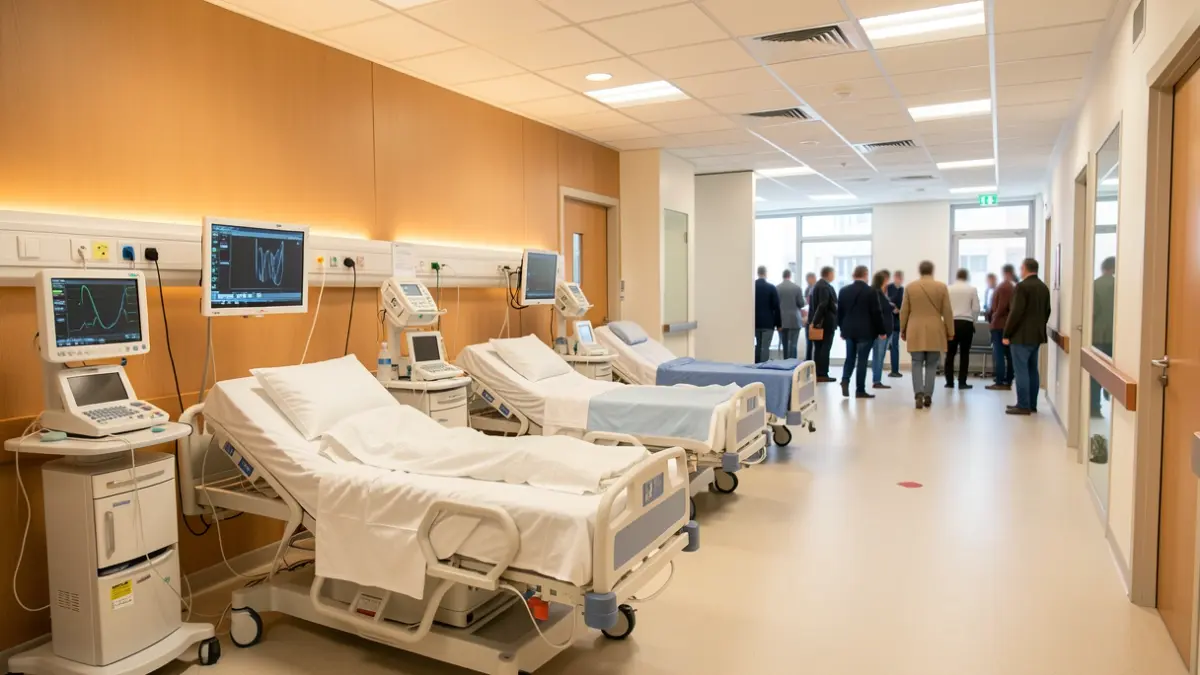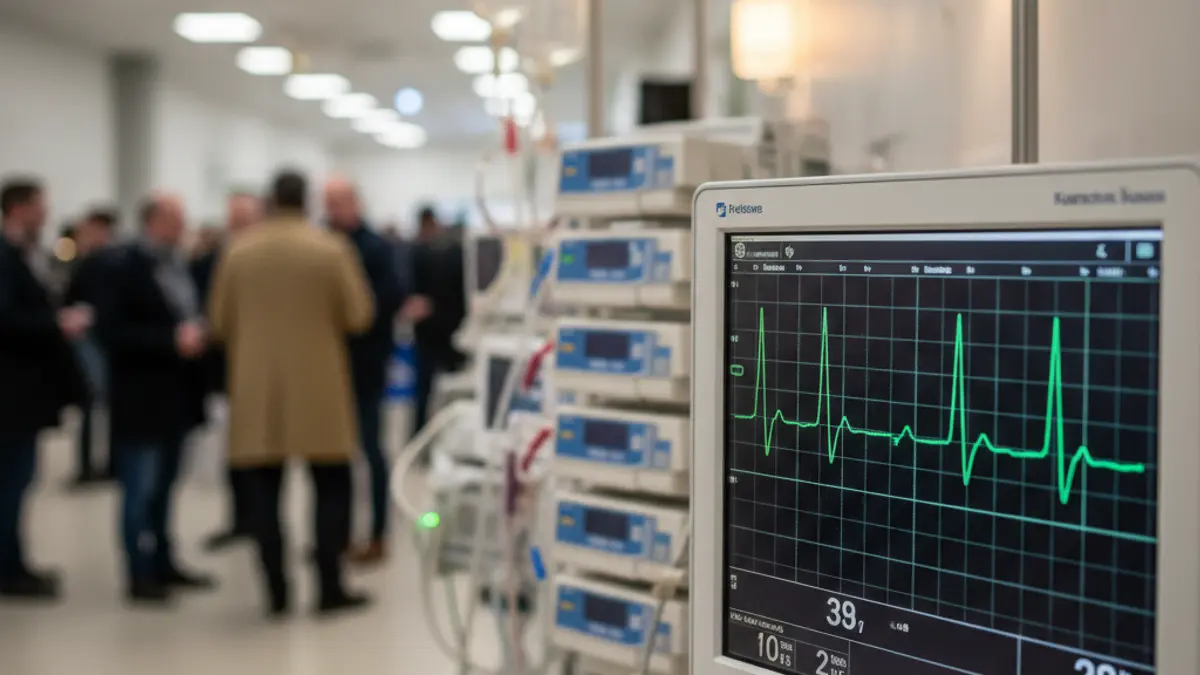
The Heart Failure Unit at Trueta monitored 1,232 patients during 2025, representing 203 more individuals than the previous year. The most affected age group was 75 to 84 years old, closely followed by 65 to 74 years old, highlighting the demographic influence on this condition.
As part of its evolution and to optimize care, the hospital has recently implemented remote monitoring tools based on artificial intelligence. These technologies aim to strengthen the clinical control of chronic heart failure patients and facilitate early detection of potential decompensations, complementing the work of healthcare staff.
A virtual assistant, named Lola, conducts telephone conversations with patients to gather relevant medical information. If it detects any significant symptoms or changes, it generates an alert for the medical team. Currently, 135 patients in the unit receive these calls, with 519 made since the pilot program began until April.
In addition to the virtual assistant, the unit uses a remote monitoring system with implantable devices, such as CardioMEMS. This device is implanted in the pulmonary artery and allows for blood pressure measurement and early detection of fluid accumulation. Thirteen patients are monitored with this technology, which has proven to reduce hospitalizations since its consolidation in 2022.
The Heart Failure Unit, which commemorates twenty years of care activity in 2026, managed to reduce emergency admissions and hospital stays due to decompensations by up to 70% during its first five years of existence, thanks to accessibility and coordination with other services at the center.