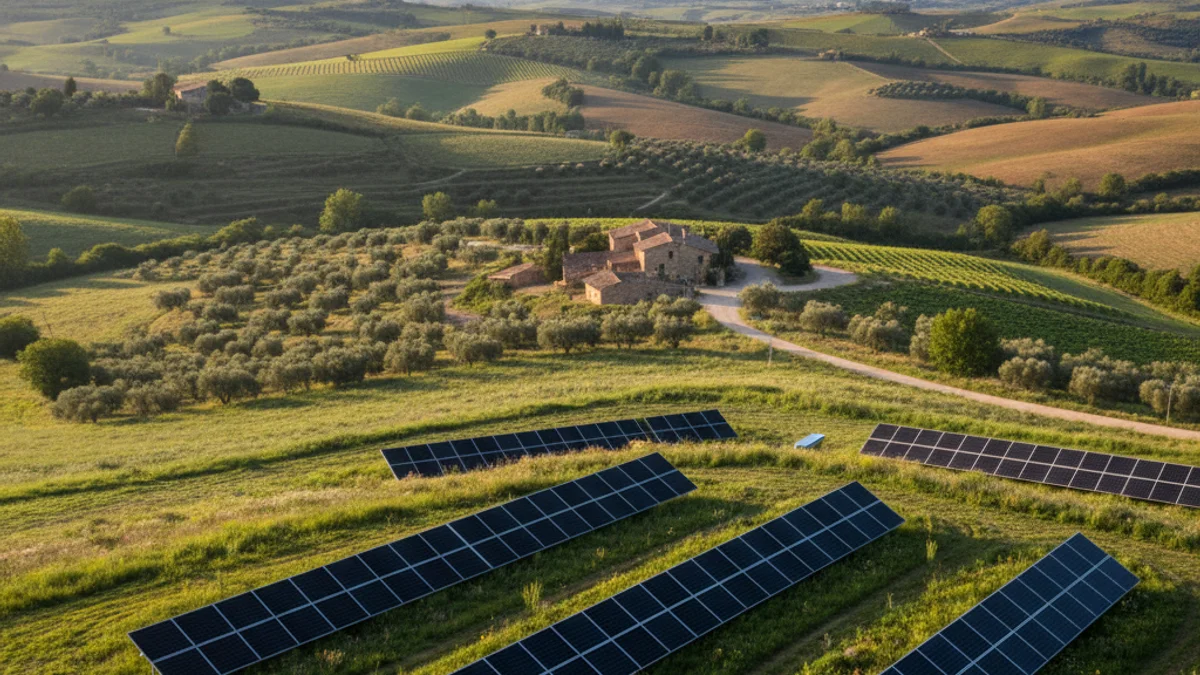
According to the Catalan Energy Institute (ICAEN), Lluçanès will face the highest density of renewable energy projects in Catalonia. Approximately 3.3% of the region's territory will be occupied by solar panels, a figure higher than in Pla de l'Estany or Anoia. The most affected municipalities include Olost, Sant Martí d'Albars, and Perafita.
Most of the energy produced in Lluçanès, 98%, will be used to supply other areas of Catalonia.
The plan, presented by ICAEN director Anna Camp, aims for carbon neutrality by 2050. Local authorities have expressed concerns regarding the lack of detailed information available before the initial approval, which complicates the process of filing formal objections.