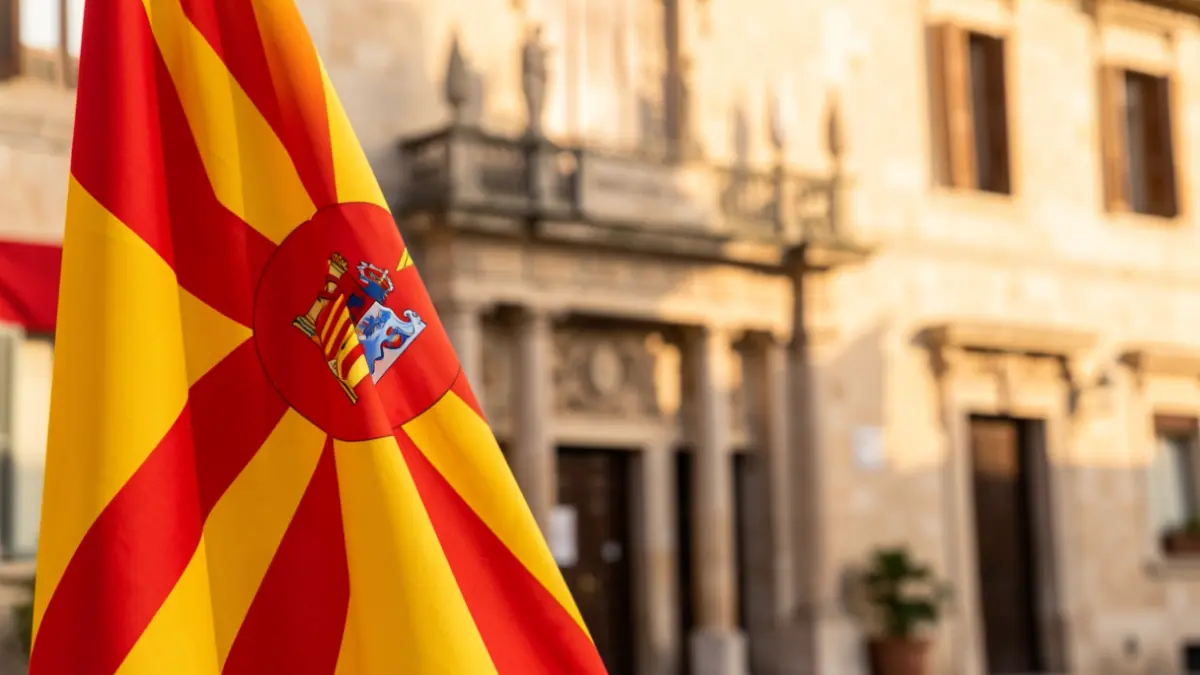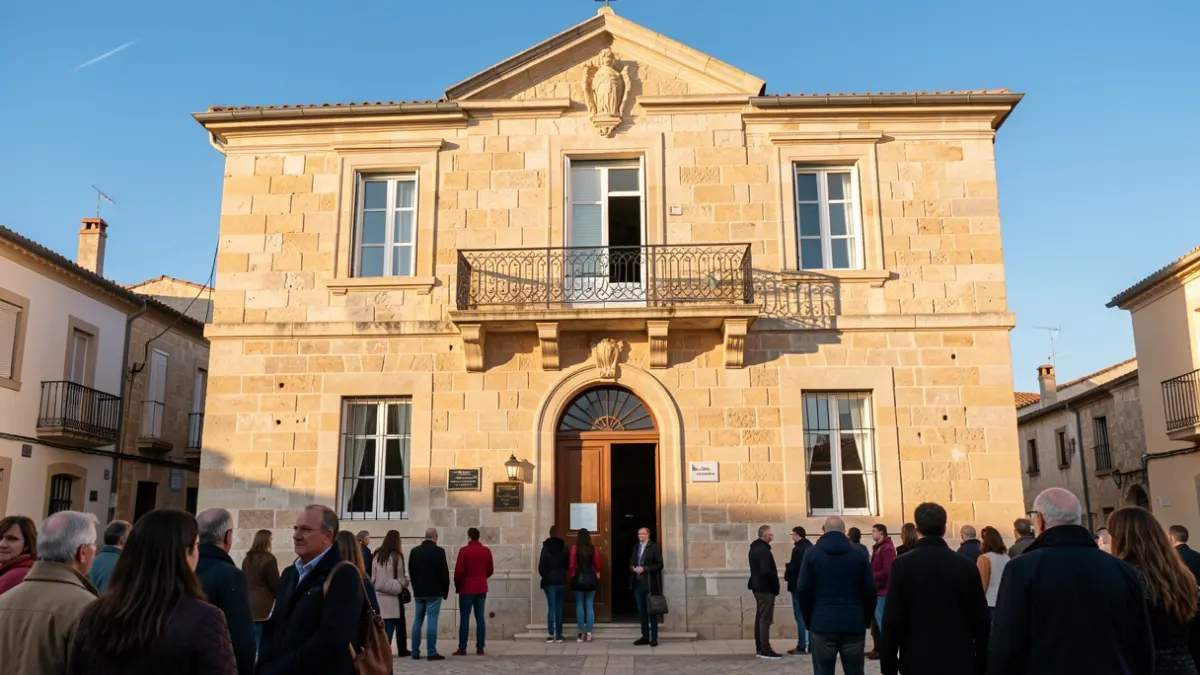
During the celebration, declared Cultural Heritage, the Barcelona Music Band performed the Royal March during the last three floats: those of Esperanza, Sant Sepulcre, and Soledad. This musical choice caused a significant stir on social media, with comments questioning the appropriateness of the piece.
Sources close to the organization have indicated that the performance had no political intention, but rather is part of a tradition rooted in other regions of Spain. In these places, the Royal March accompanies solemn moments of processions as a sign of respect for the images and the ceremony.
Historically, some religious images were granted the rank of captain general, treating them as kings. When monarchs arrived, they were received with the Royal March. The Virgin, considered the queen of heaven, parades under a canopy following this tradition, which is why this element is also associated with the use of the national anthem.
Although the anthem's performance is part of certain traditions, its presence in a religious rite in Mataró did not go unnoticed, generating debate among attendees and on digital platforms. The organizers of Mataró's Holy Week, which was revived in 1986, note that the event has evolved to integrate various musical styles, establishing itself as one of Catalonia's most prominent celebrations.