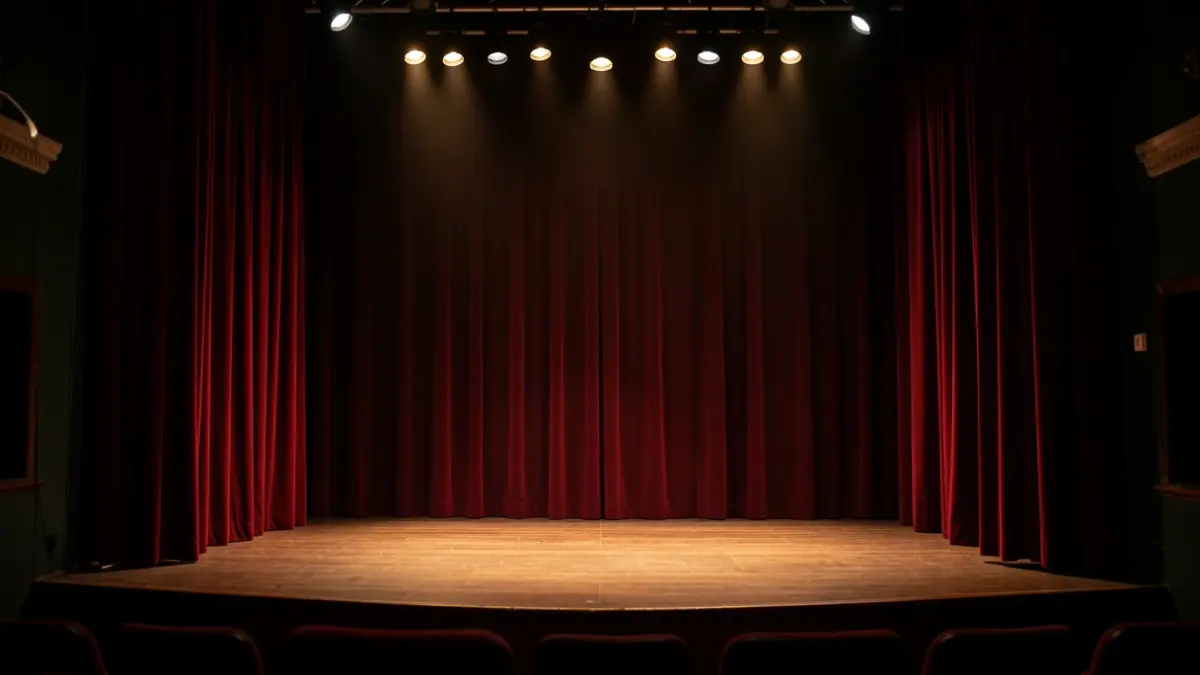
Sala B in Amposta is celebrating its first year of operation with "very hopeful" results, having welcomed over 2,500 spectators and solidifying a cultural project with a strong social and community focus. The management celebrates the "success" achieved and has announced the program from April to December, which will include 30 new performances by 22 companies.
The audience's response has exceeded initial expectations. In this small theatre space, with a capacity of 135 to 151 people, an average occupancy of 80% has been reached across 22 shows and a dozen parallel activities. Theatre director Joan Guijarro admitted initial uncertainty about audience reception but noted "people's eagerness for theatre, to enjoy it, and to come and try out the venue".
For the remainder of the season, an additional 3,500 spectators are expected, figures that Guijarro describes as "impactful". Notable productions from the first year include 'La Fita, per fi descalça', 'Una maleta plena de Lorca', 'Les dones de la bata de l'Ebre', and 'La Bàmbula Cabaret', alongside family-oriented events for the Christmas period. The venue aims to offer "a diverse, contemporary, and committed perspective".
A cornerstone of the project has been the creation of its own festivals and collaborations with other entities. The Escèniques Festival, launched in 2025 with support from the Diputació de Tarragona, focuses on "theatre, feminisms, and new scenic languages" and will continue in 2026 with an edition dedicated to Arts and Community Health. The Salut Festival, focused on mental health and performing arts, has also been promoted in collaboration with organizations such as Pere Mata and the Club Social de les Terres de l'Ebre.
In terms of training, the venue has hosted seven professional workshops with figures like Roberto Oliván, Pepa Plana, Sònia Gómez, and David Zambrano, as well as community workshops and collective creation activities. The stable project 'Teatre per Créixer', with over fifty participants, uses theatre as a "space for social transformation".
Sala B fills a gap in the Terres de l'Ebre region as an "alternative and private theatre venue", complementing municipal programming. This independence allows for "artistic freedom" to stage "more daring proposals" without being subject to political sensitivities.
Guijarro highlights the project's territorial reach, considering it unique "from Valencia to Tarragona". The venue plays a "bidirectional" role in connecting companies and creative spaces, including collaborations with other venues like Sala Trono, and already attracts audiences from Castellón.
The new season emphasizes a "more outward-looking perspective", featuring productions such as 'Qui va matar el meu pare' by Dafnis Balduz, 'Una bellissima giornata' by Kernel Dance Theatre, 'El tamaño del amor importa' by Nueve Musas Producciones, EGOS Cabaret, Arturo Gaya, the patio N3 of the company la Böhemia, Nilu from cia INFINIT, and revivals like LORCA Live and Por fin descalza by Dh Company.
The resident drag cabaret 'No es lo mismo' will continue with special editions for Pride, Major Festivals, and Halloween. The director emphasizes a "360-degree view", covering themes such as historical memory, LGTBI rights, feminism, and equality, engaging the audience "through poetry, through poetics".