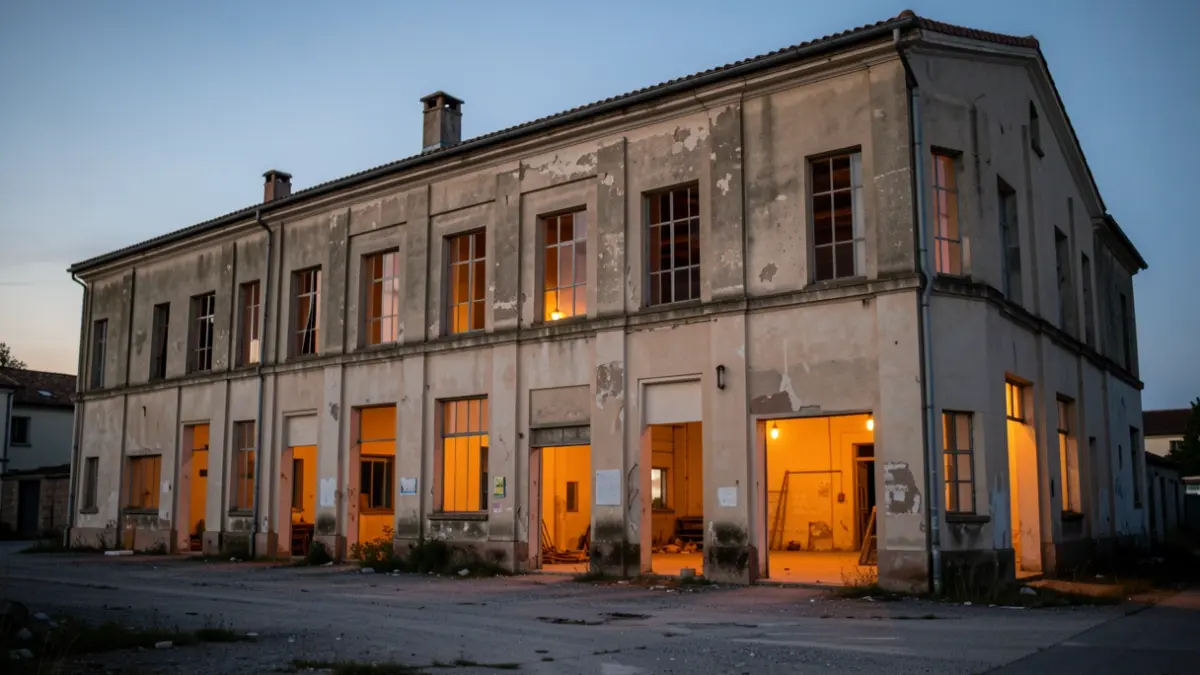
The El Pont evangelical church has acquired the former Metro nightclub, located in the Les Tosses industrial estate of Amposta, with the intention of converting it into a new worship center. The venue, which had been closed since 2014, will require an estimated initial investment of 600,000 euros, covering both the purchase and necessary renovations. The entity has taken over the 3,200 square meter space, and recently a group of volunteers has begun cleaning and debris removal tasks.
The new center will include an auditorium with a capacity for 600 people, as well as several rooms designated for developing support programs for individuals with drug dependency and academic reinforcement activities for children from vulnerable families. The church's pastor, Carlos Zaragoza, has expressed to ACN the hope that this project will contribute to «filling with life» the industrial estate, which currently features numerous disused warehouses.
Historically, the Les Tosses industrial estate was conceived in the early 2000s by the government of Amposta as an entertainment zone to move nightclubs away from the urban center. The Metro opened its doors in 2005, becoming one of the largest and most recognized venues in the area. However, the economic crisis and police pressure led to the progressive closure of businesses, and the nightclub finally shut down on August 14, 2014.
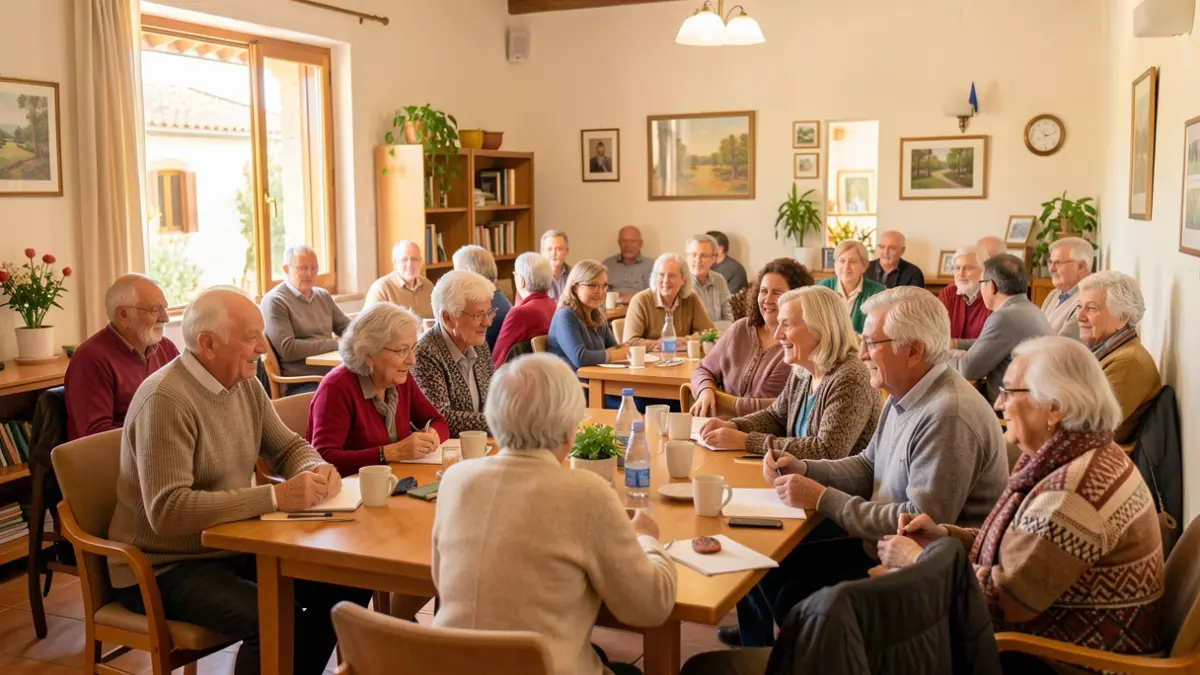
The El Pont Church, currently occupying a building on General Prim street in Amposta for the past fifteen years, has found its space has become too small due to the constant increase in attendees over the last four years. With two Sunday services attracting around 240 people in total, the community has decided to seek a new location to accommodate everyone in a single space. Pastor Zaragoza has described the purchase of the Metro venue as a «dream», noting that many other options explored were too expensive or did not meet the necessary requirements, in addition to confirming that urban planning permits religious use.
The new headquarters, expected to be operational in approximately one year, will depend on administrative procedures. Congregation leader Juan Mas Salvador has pointed out that the industrial estate is «half abandoned» and is confident that the church's presence, with an average of 500 to 600 attendees each Sunday, will «bring a lot of life» and help revitalize the area by creating surrounding businesses.
The mayor of Amposta, Adam Tomàs, has positively assessed the initiative, celebrating the «recovery of a certain normality» in the industrial estate, where a major synthetic drug laboratory was dismantled a year ago. Tomàs believes the former venue will become a «center for activities» beyond its religious purpose, facilitated by the availability of licensed premises at accessible prices.
The evangelical community links the venue's past with its future social mission. Pastor Zaragoza recalled visits made 20 years ago to the Metro's parking lot to talk to young people about alternatives to nightlife and vice, and recounted an anecdote about a prayer for the nightclub's lights to go out, which coincided with a power outage that allowed attendees to leave. This historical connection motivates the project to help young people with addiction and provide school reinforcement classes for vulnerable children.