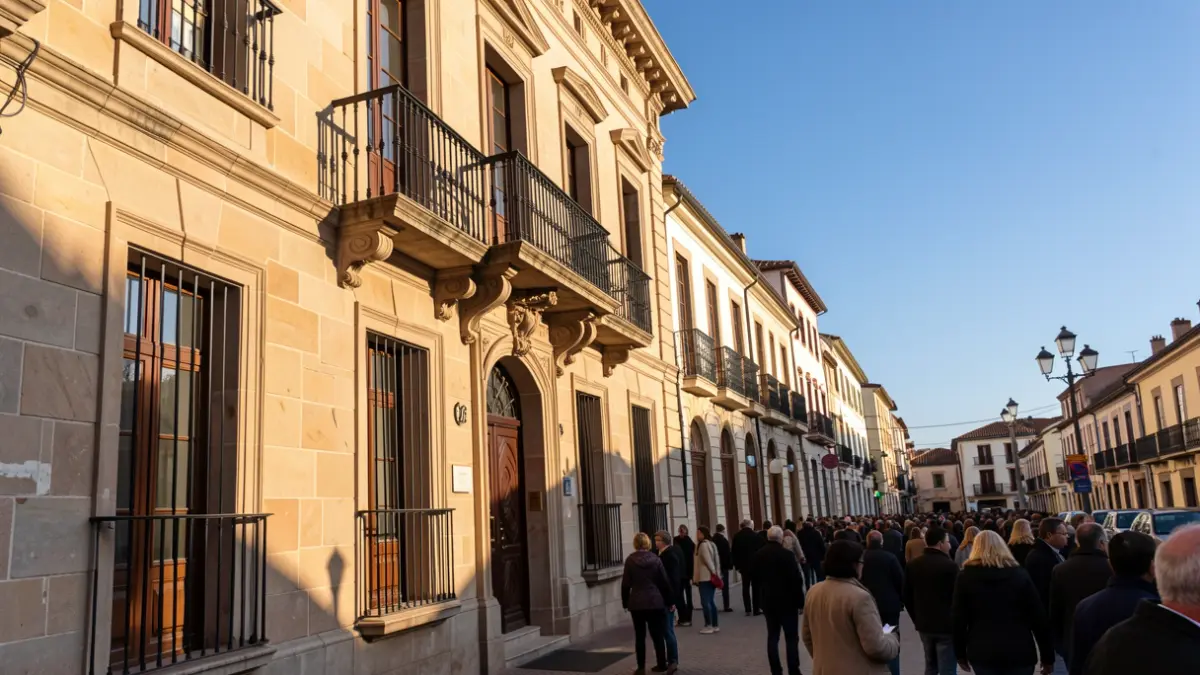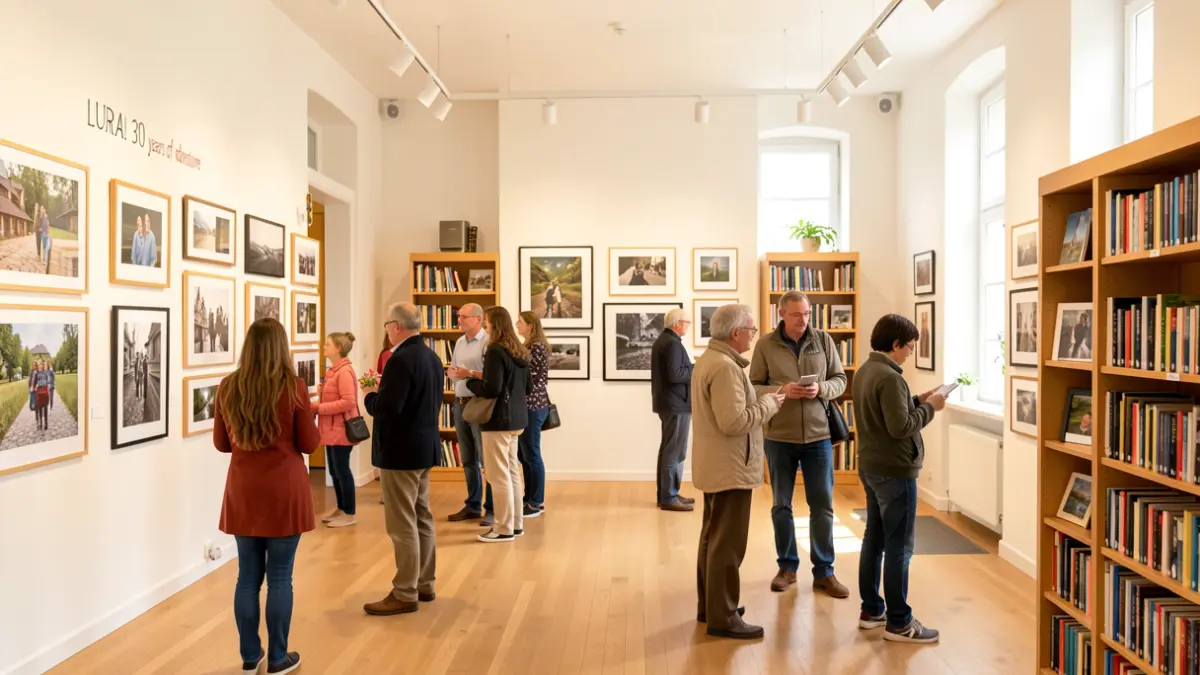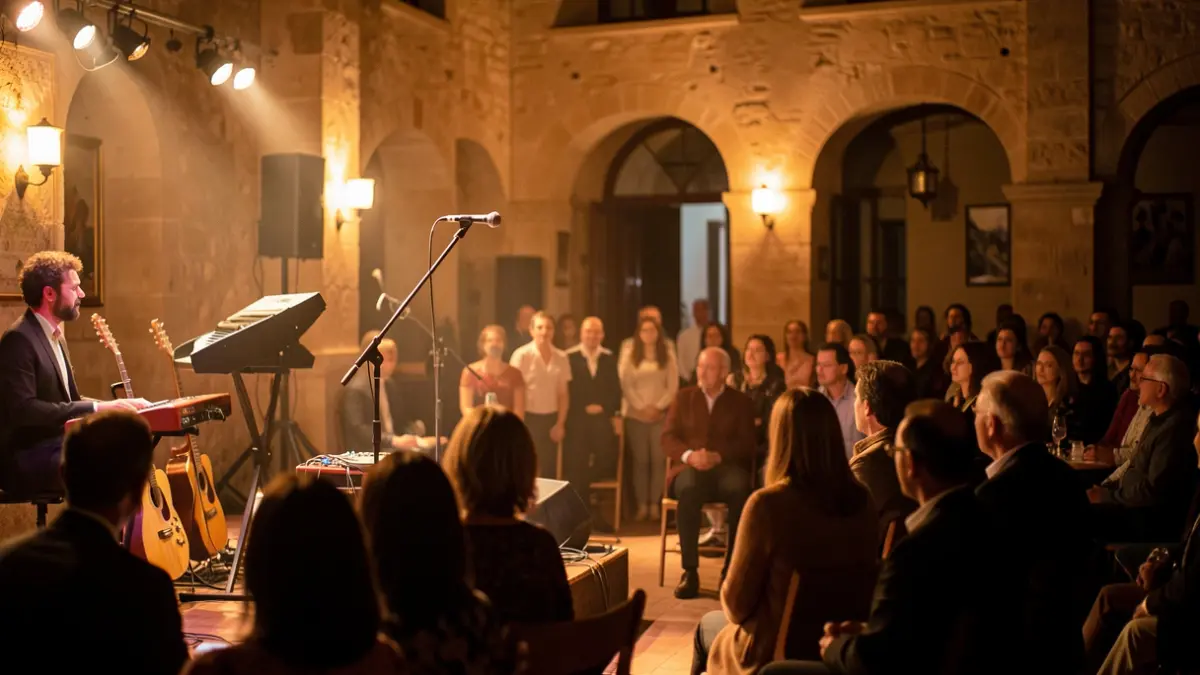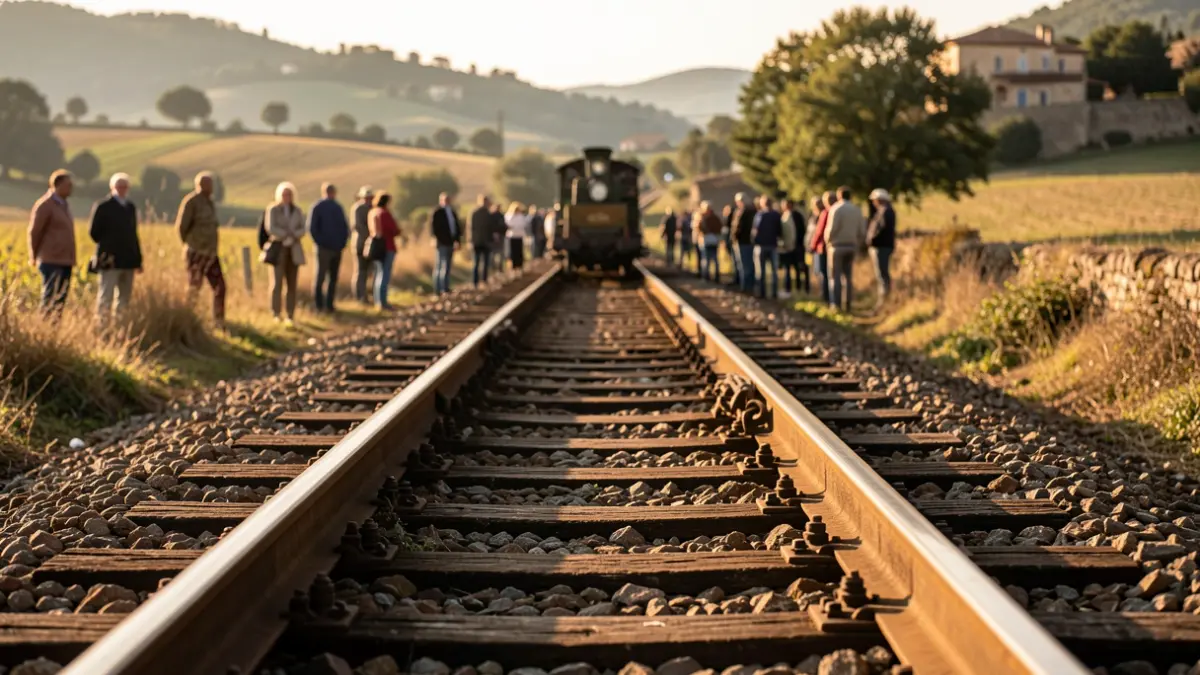
L'Amistat in Mollerussa was the venue last Friday for the presentation of the book Historical Memory of the Sugar Train, written by Sebastià Garralón. The event gathered over a hundred people and focused on recovering the oral and historical memory linked to this vanished railway infrastructure. The Sugar Train was a narrow-gauge railway that connected Mollerussa with Menàrguens and Balaguer during the first half of the 20th century, essential for transporting sugar beet to the Menàrguens factory. The line, built in the late 19th century, began operation in the early 20th century, and the Menàrguens section was closed in 1950.
The book is the result of extensive research and includes about thirty interviews with direct witnesses and family members who have preserved the memory of the train. Garralón highlights in the work not only the economic and territorial importance of the Sugar Train but also the experiences of people who knew it or have kept its memory alive through photographs, documents, and family accounts.
The event was attended by various authorities, including the mayor of Mollerussa, Marc Solsona; the president of the Pla council, Carles Palau; the president of Noguera, Miquel Plensa; and Manuel Roure, Creu de Sant Jordi 2025. Carles Palau emphasized the economic relevance of the Sugar Train for the territory, while Miquel Plensa described the book as "the chronicle of a shared journey". Manuel Roure recalled the train's role in significant events, such as the Fira de Sant Josep, when "the entire fleet of wagons, passengers, and cargo was mobilized to bring travelers to Mollerussa".
Sebastià Garralón stressed that the book is the fruit of years of dedication, interviews, and collaborations. Mayor Marc Solsona closed the event, highlighting that the work is "about people" and arguing that such projects "help us strengthen collective self-esteem".