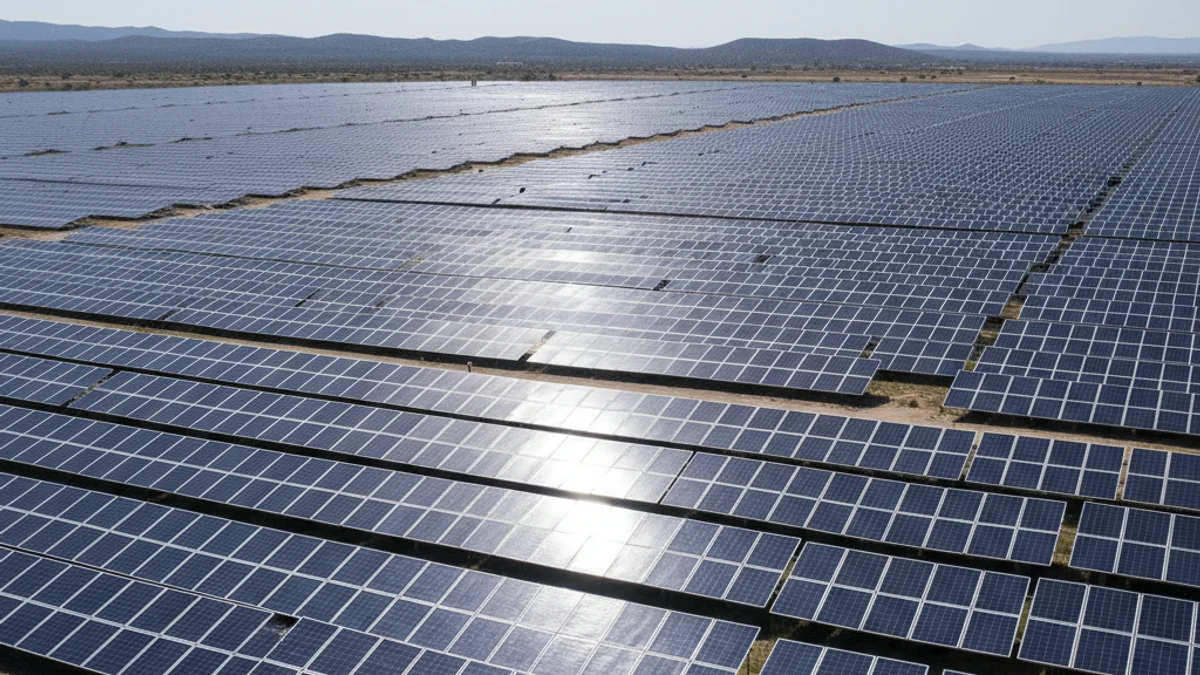
Spain remains the leading European power in the market for 'mega-contracts' for electricity sales to large companies, known as PPAs (power purchase agreement). These agreements are signed between electricity producers and large customers to guarantee supply for 10 or 15 years at a stable price, avoiding the volatility of the electricity market.
The average price for Spanish solar PPAs fell to 32.50 euros per megawatt hour (MW h) at the end of 2025, marking a year-on-year decrease of 16.6%. This value is significantly lower than in countries like Germany (49.7 euros), Italy (60.67 euros), or France (63.4 euros).
“"The price of the Spanish solar PPA at 32.50 euros is truly surprising. This is the lowest price level recorded in the market (and across Europe) since the third quarter of 2021, despite considerable inflation in the years since."
The main cause of this record drop is the so-called 'cannibalization' of renewable prices. The massive deployment of new photovoltaic plants causes the wholesale market to register a growing number of hours with zero or even negative prices, especially during peak solar production times.
This dynamic of low and negative prices calls into question the profitability of green plants and may slow down future investments. To counteract this, the sector relies on the expansion of large storage batteries, considered crucial for hybridizing future developments, storing surplus electricity, and providing greater stability to the electrical system.