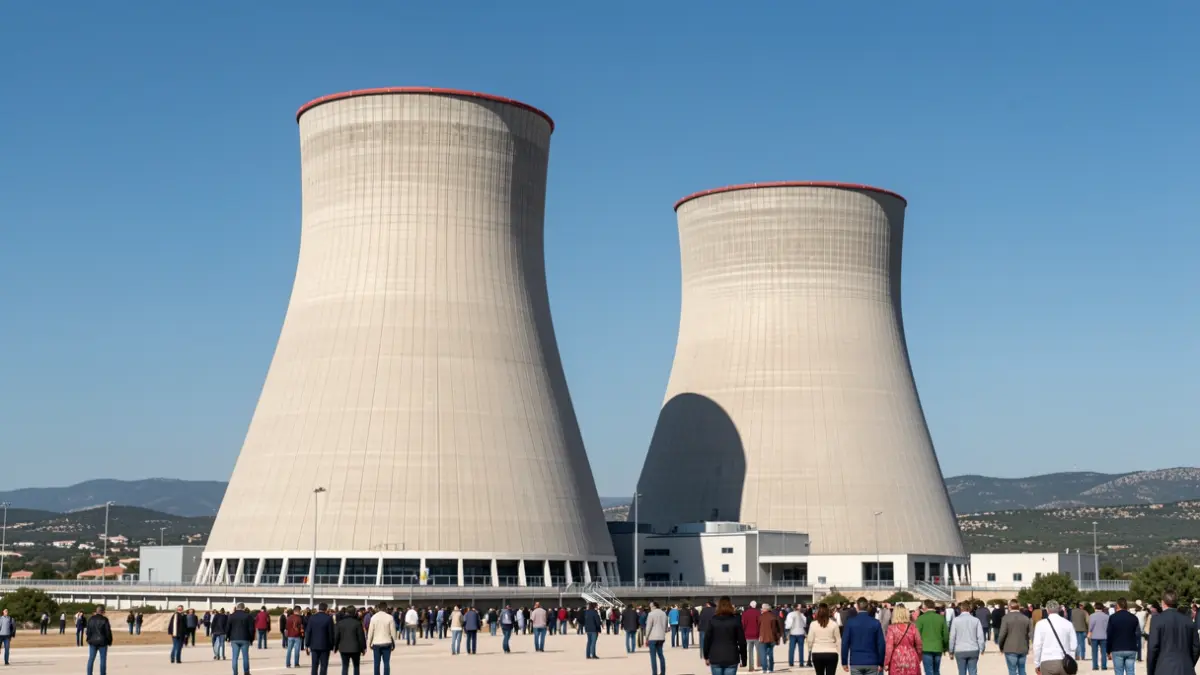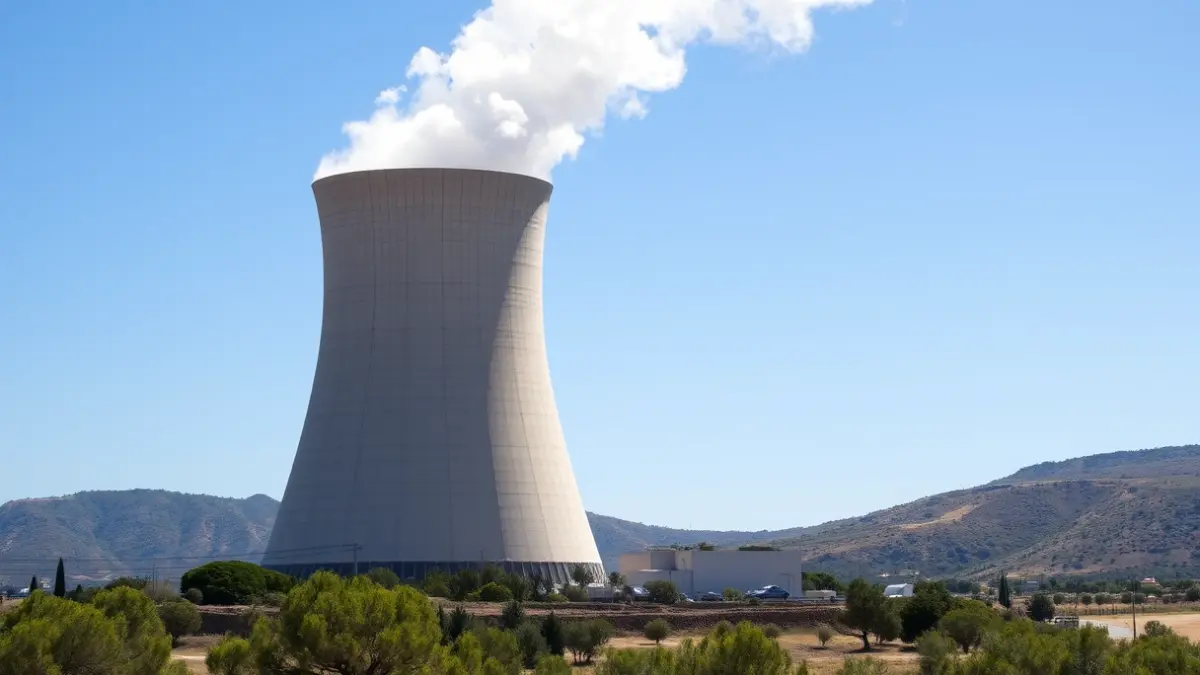
The potential extension of the operational life of the Almaraz I and Almaraz II nuclear power plants, scheduled for closure in November 2027 and October 2028 respectively, has opened a window of opportunity for Catalan reactors. This decision, pending the report from the Nuclear Safety Council (CSN) and government approval, could influence the future of Ascó I (closing in 2030), Ascó II (2032), and Vandellòs II (2035).
“"An extension for Almaraz would give us breathing room."
Municipal representatives from areas with nuclear power plants emphasize the need to base decisions regarding the continuity of these facilities on technical criteria, free from ideological considerations. The CSN, for its part, has reiterated that its role is limited to assessing nuclear safety, without engaging in political or strategic debates about the energy model.
“"It is very important that if the Council's 'no' is binding, the 'yes' should also be, because it means the plant is ready."
Energy dependence is one of the key arguments put forward by the municipalities. A closure without mature energy alternatives could lead to reliance on more polluting sources, such as gas power plants, compromising emission reduction targets. Furthermore, the nuclear industry accounts for nearly 3,000 direct and indirect jobs around Ascó and Vandellòs, and taxes associated with the plants constitute a substantial part of municipal budgets.
The Ribera d'Ebre Regional Council already approved a motion in February in favor of extending the operational life of the plants, with unanimous support from all political groups. This stance reflects local concern about the economic and social consequences of a closure without a just transition and sufficient alternatives.