The Hospital Universitari Arnau de Vilanova de Lleida confirmed an 11.4% decrease in Level V emergency visits (the lowest complexity) and 4.5% in Level IV visits, one year after incorporating the AI self-triage tool. This overall 6% reduction in low-complexity visits is equivalent to 1,215 avoided visits over four months during the 2024-2025 period.
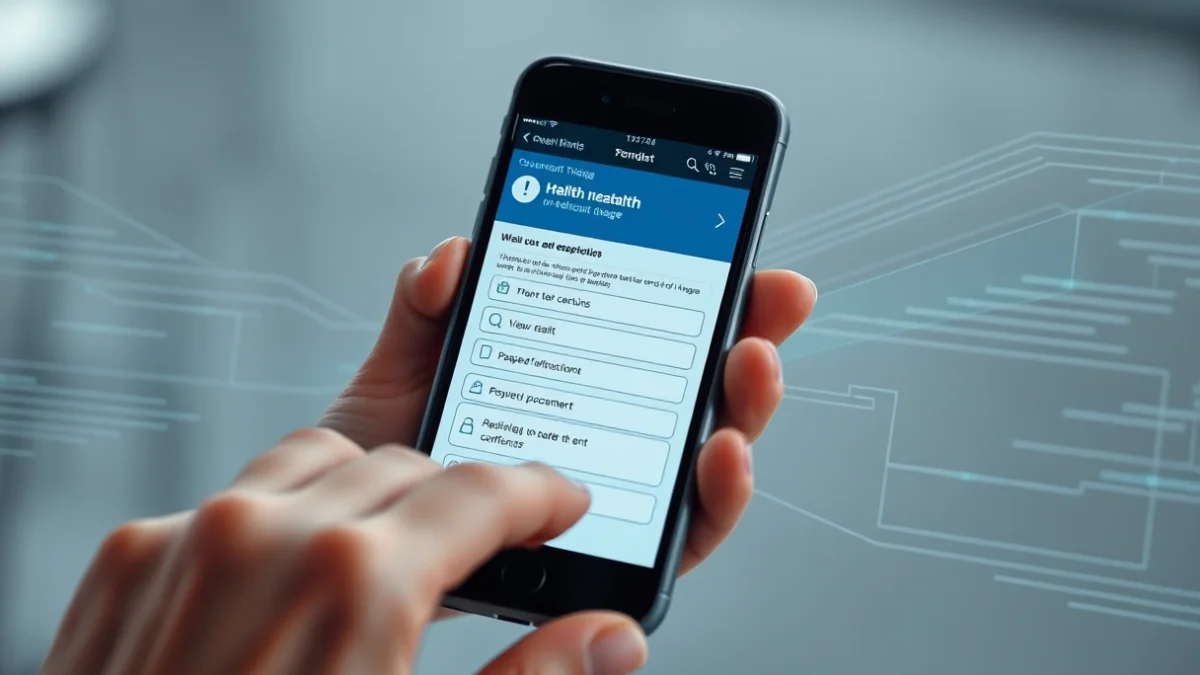
During the first year of use, 1,035 people completed the self-triage process via the tool, available on the hospital's website and the Salut Lleida app. Of these, 43% (approximately 450 users) were redirected to a Primary Care Emergency Center (CUAP) or their local CAP, avoiding unnecessary trips to the hospital.
This strategy contrasts with the conventional flow inversion model and has proven to be more efficient, comfortable, and sustainable, according to the center.
The Arnau de Vilanova is the first hospital in Spain to integrate an AI self-triage system into a winter contingency plan, aiming to anticipate patient flows. The study supporting these results, conducted by center professionals, IRBLleida, the Universitat Oberta de Catalunya (UOC), and the Universitat de Lleida (UdL), was recently published in the European Journal of Emergency Medicine.