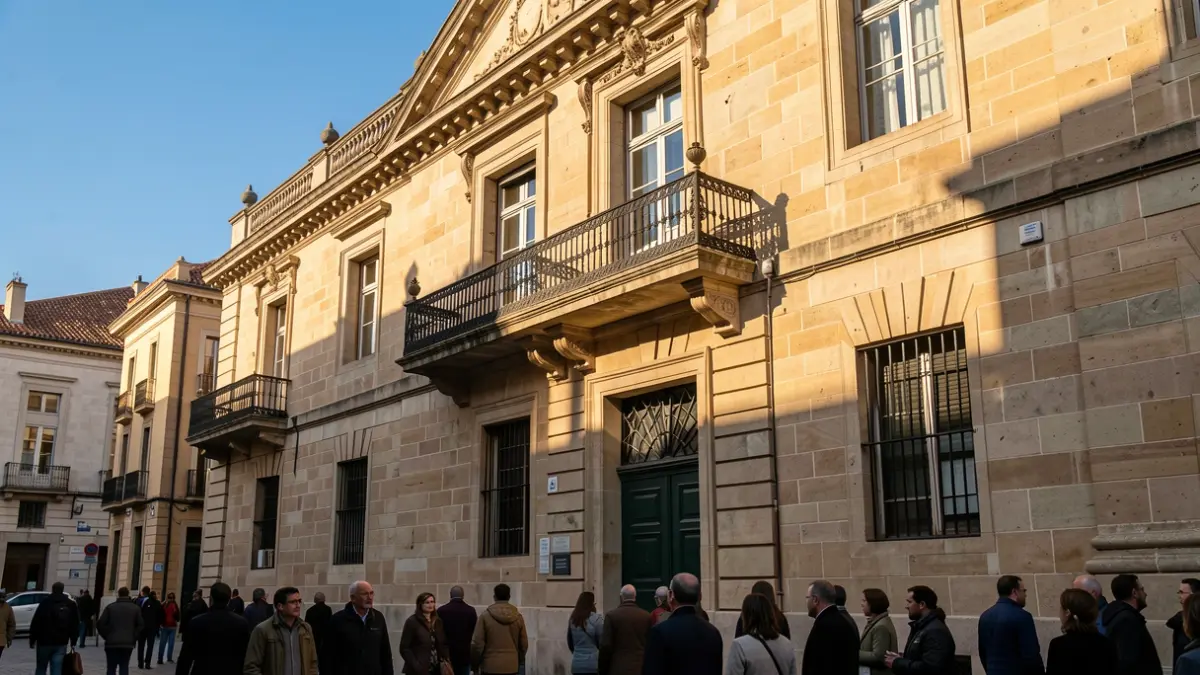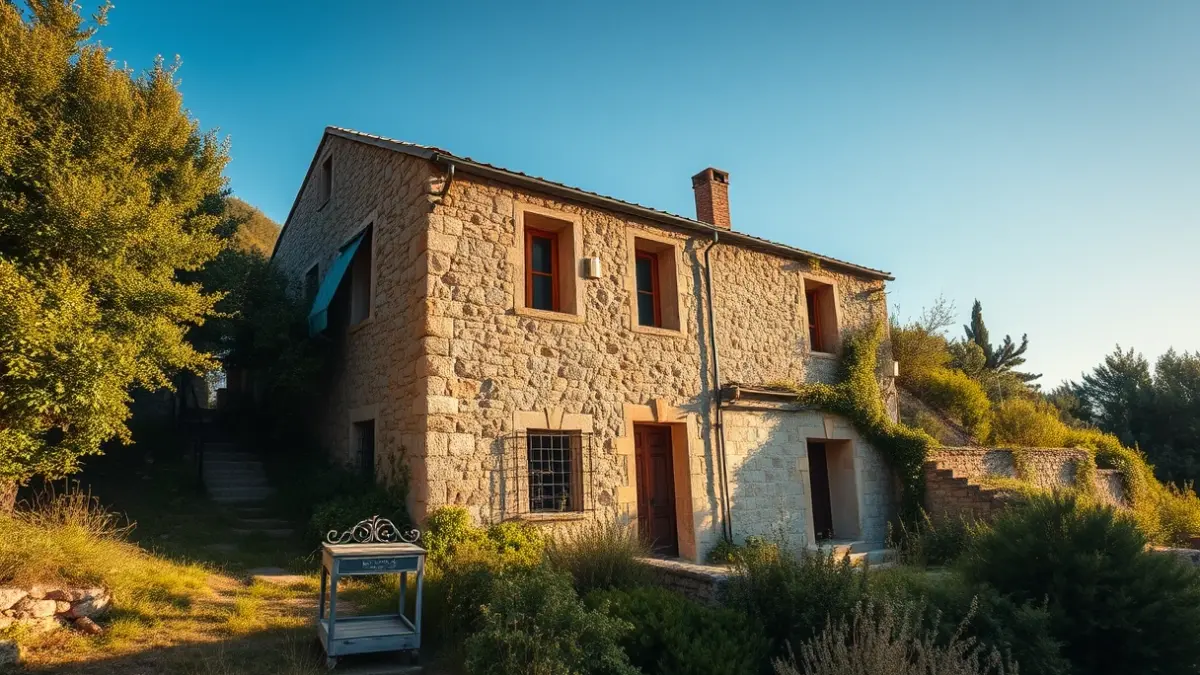
This measure seeks to ensure the safety and preservation of the property, which has shown signs of deterioration. Sources from the ministry have indicated that, despite ongoing negotiations, the subsidiary works procedure remains active, an administrative tool that allows direct intervention in private properties if the owner fails to comply with their obligations, with costs being charged to the owner.
In parallel, the Lleida Prosecutor's Office has launched an investigation to determine whether the Alcarràs City Council and the Department of Culture have allowed the progressive deterioration of Cal Macià. This legal action was initiated following a complaint filed by the Plataforma Salvem Cal Macià, which has warned about the administrations' inaction in preserving the house.
Two weeks ago, agents of the Guardia Civil visited the Alcarràs council to collect documentation. The objective was to ascertain the ownership of the property, as well as to obtain information about possible meetings for its acquisition and whether the Generalitat was aware of the property's state of conservation.
“"We are no longer negotiating with him because he only wants to deal with the Generalitat."
The mayor of Alcarràs recalled that the purchase of the house had previously been agreed with the owner for 120,000 euros, with staggered payments of 30,000 euros annually over four years. However, at the time of formalizing the operation, the owner requested a higher amount, around 250,000 euros, which led to the breakdown of negotiations.