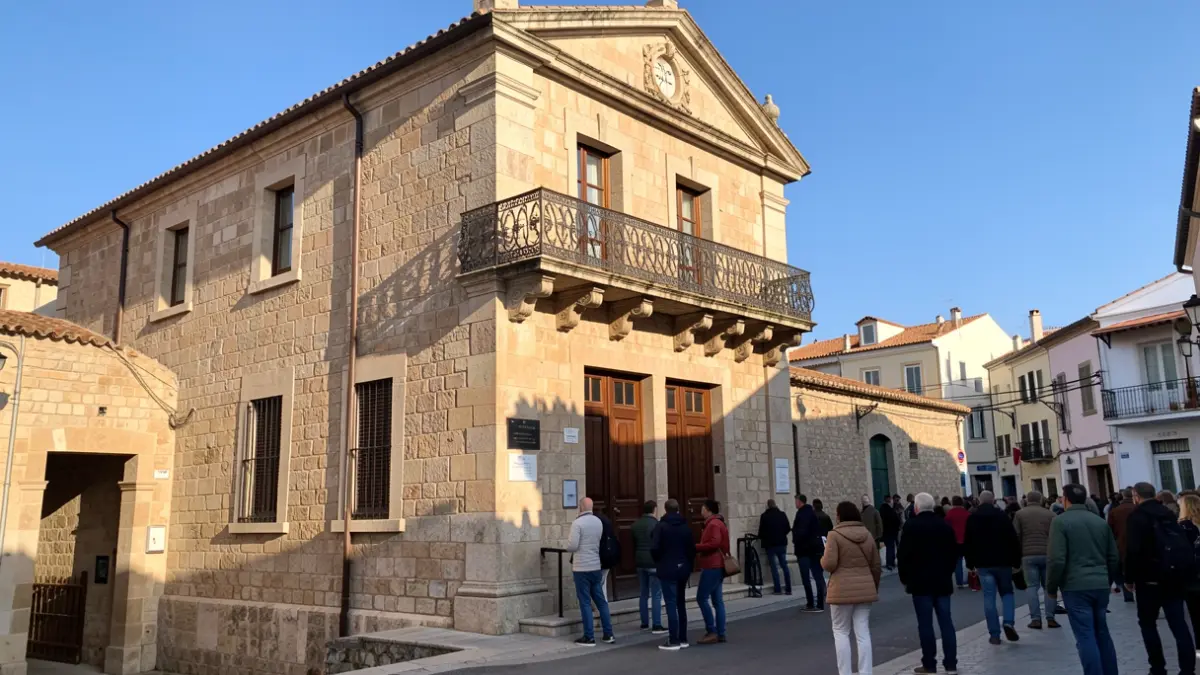
The MARAVES project, promoted by SEO/BirdLife, chose the town of Blanes as one of the key points to test solutions against the accidental capture of seabirds in the Mediterranean. This interaction is one of the main threats to many species.
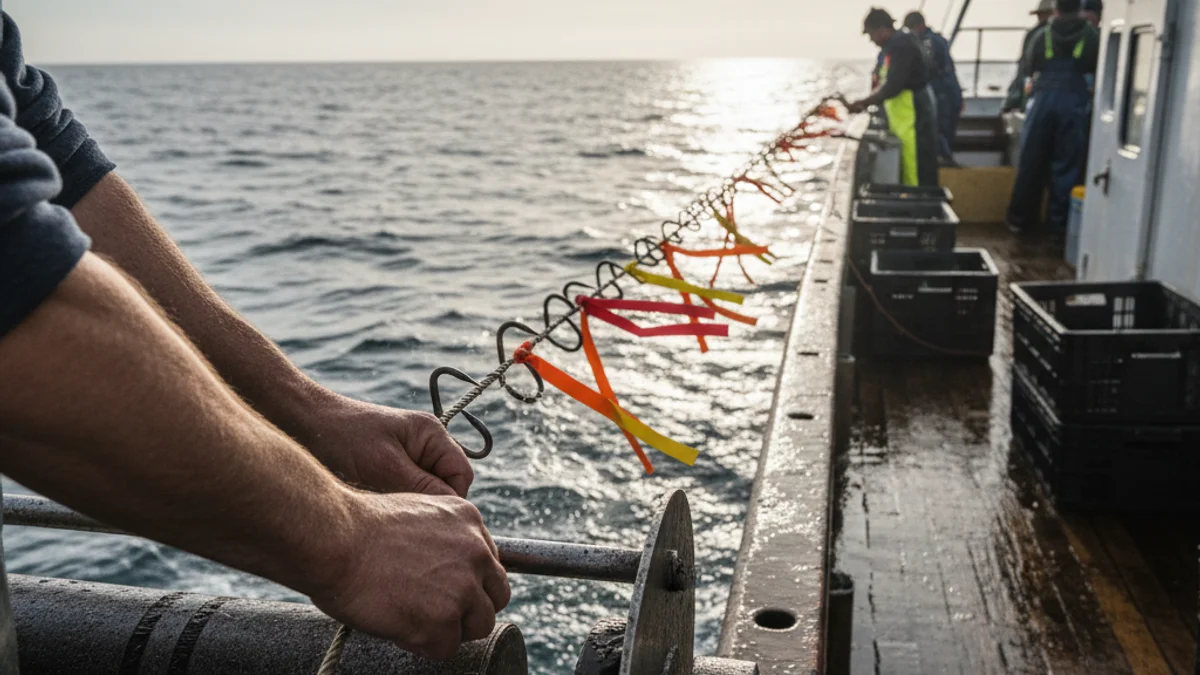
Over eighteen months, the organization collaborated closely with a dozen professional fishermen from Catalonia and the Balearic Islands. They participated in the design and validation of measures, such as the bird-scaring line, a 50-meter rope with colored ribbons designed to keep birds away from the hook.
The Blanes Fishermen's Guild hosted tests of this system in June 2025, yielding promising results. Different configurations of bottom longline weights were also tested to increase the sinking speed and minimize the risk of bycatch.
This knowledge is key to designing more effective measures and adapting them to each fishing context.
A novelty of MARAVES was the incorporation of the recreational fishing sector, supported by Scientific Angler, promoting citizen science through the use of apps like Bycatch or the eBird platform to report observations.
Technologically, the project reinforced the monitoring of shearwaters using GPS transmitters equipped with depth and acceleration sensors. These devices provide crucial data on feeding and movement patterns, key to designing more effective measures.