This rapid population increase, in a context of low birth rates, has placed Catalonia in a similar position to countries with comparable socioeconomic levels, but with a much faster transformation. The foreign-born population already holds one in three jobs and almost all of the 450,000 new jobs created in the last seven years.
“"The truth is that if they have arrived here, it is because they were sought out. They have come because they are needed."
The business sector, through organizations such as Foment de Treball and the Cercle d'Economia, has highlighted the importance of foreign labor for economic growth. These entities have joined migrant rights organizations to request the regularization approved by the Spanish government.
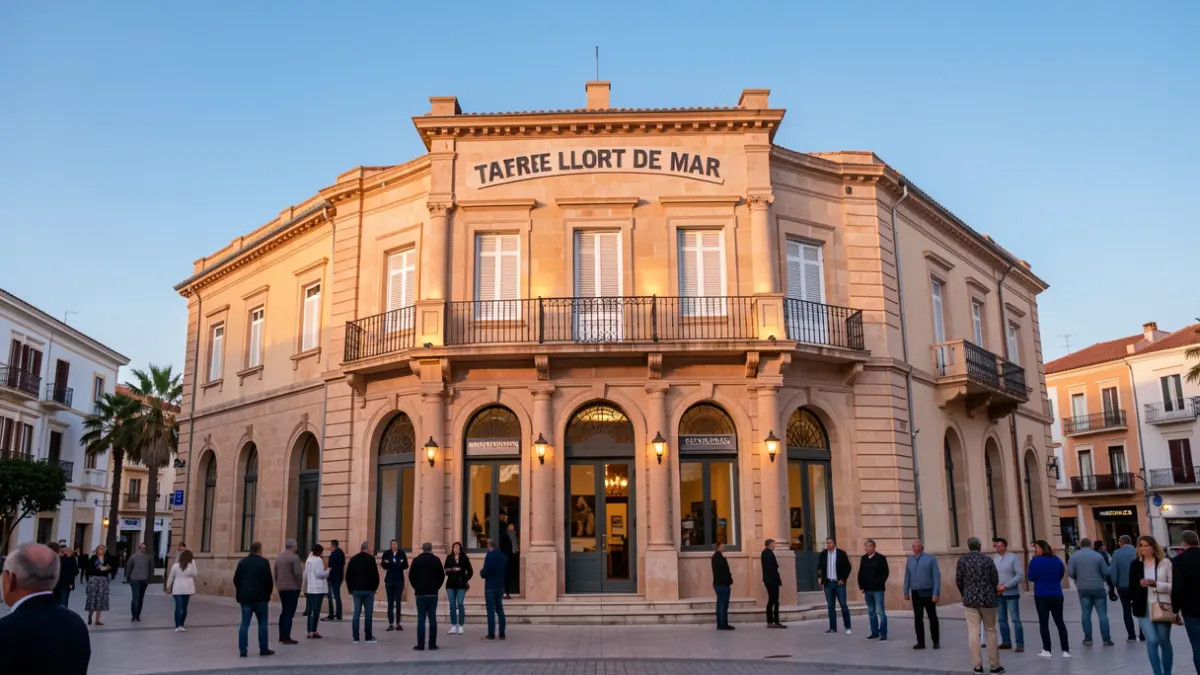
The town of Lloret de Mar is a clear example of this growth, with its population doubling in 25 years and having one of the highest percentages of foreign-born residents. Despite efforts to de-seasonalize tourism, per capita income remains low, and public services are under great pressure.
“"The market model we have concentrates the benefits of immigration in the hands of certain economic sectors and some entrepreneurs, but in turn socializes the costs."
Migration experts criticize the administration's lack of foresight in strengthening public services, such as primary care centers, housing, and schools, in response to the arrival of new residents. This situation can lead to social tensions and an increase in the blaming of migrant communities.
Spanish migration policy, less restrictive than in other European countries, influences migrants' choice of destination. The regularization process, approved by decree at the end of January, aims to regularize the situation of half a million people in the state, of whom more than 150,000 are in Catalonia. This regularization, unlike previous ones, does not depend on an employment contract, making it more accessible for highly precarious sectors such as agriculture, domestic work, care, and hospitality.
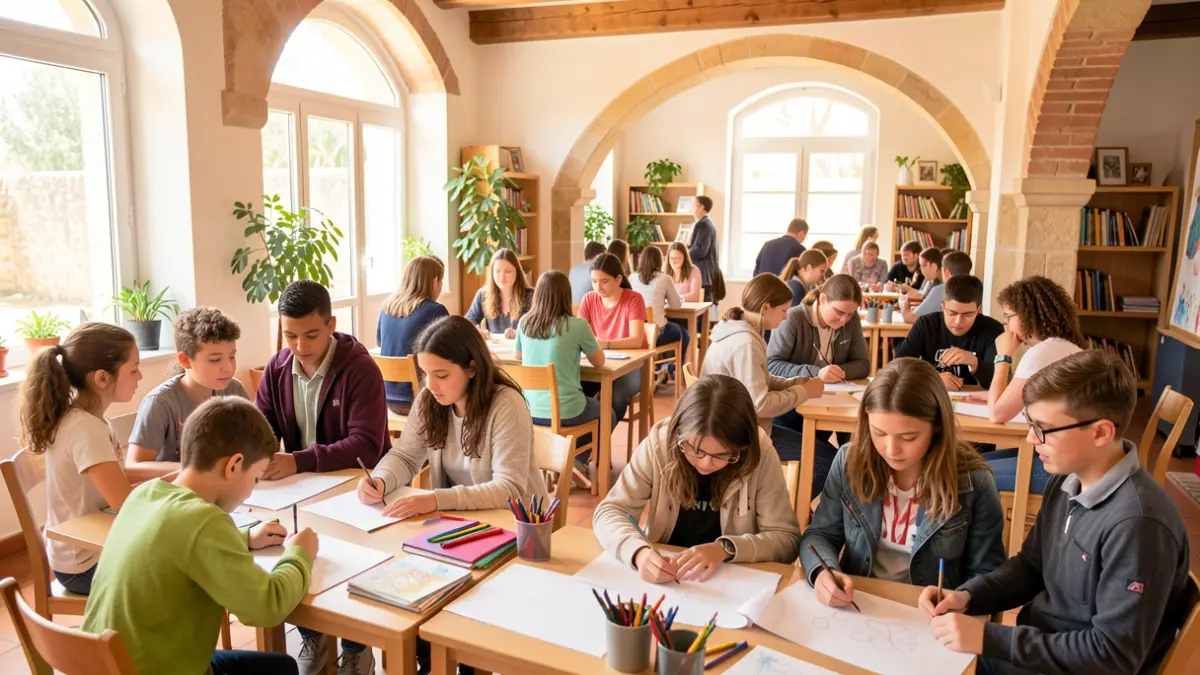
The integration of new generations is crucial for social cohesion and the country's model. In schools, such as those in Lloret de Mar, the diversity of origins is evident, and it is in these spaces where the future of Catalonia will be decided.