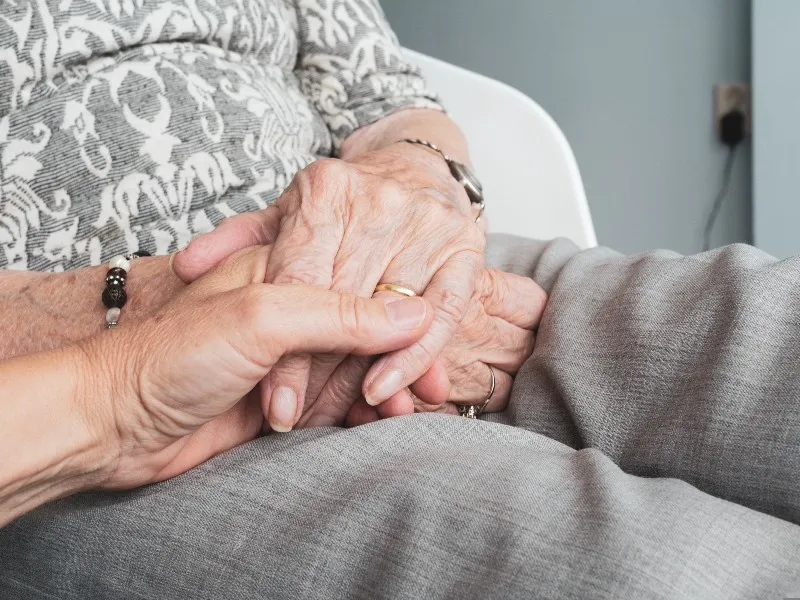
This analysis, conducted through telephone surveys and home visits, focused on residents over 70 years old from both the urban core and the urbanizations. The main objective was to make visible and address situations of isolation among the elderly population in the municipality.
In the town center, out of 500 contact attempts, 257 people responded, of whom 130 live alone. Of these, 35 (26.09%) reported experiencing unwanted loneliness. Regarding the urbanizations, 207 people were contacted, with 150 responses and 89 cases of people living alone. Here, 15 individuals (16.85%) were identified with this problem.
The Compartim program, launched last November, aims to provide support for unwanted loneliness, especially for elderly people who live alone or feel isolated. Its purposes include identifying cases, understanding social needs, promoting participation in municipal activities, involving local services and businesses, and fostering citizen co-responsibility.
“"To understand the different cases of unwanted loneliness that exist in the municipality and to foster social cohesion and the inclusion of these people."
The study was promoted by the Casal de la Gent Gran, with the collaboration of the Aspronis foundation and the Basic and Specialized Social Services of the Lloret City Council. Now, the 50 detected cases will be analyzed to find personalized solutions, which include creating conversation groups, companionship, guidance on social services, and information on the offerings of the Municipal Casal de la Gent Gran.