On March 25th, the Alert System for the Susqueda and Pasteral dams conducted its first drill. This exercise took place within the framework of the Dam Emergency Plan (PEP), an initiative included in the Inuncat plan, which is familiar to the public. The objective was to test preventive measures against a potential serious emergency.
Throughout the day, a total of 17 sirens were activated in stages, strategically placed to enhance warnings for the population near the dams. These sirens, located in seven municipalities in the Selva region –Osor, Amer, Bescanó, Anglès, la Cellera de Ter, Sant Julià de Llor i Bonmatí, and Susqueda– are activated within the first half hour after a hypothetical incident.
The article reflects on the public's perception of preventive plans, such as Ventcat, Neucat, or Inuncat. They are often criticized as alarmist if weather phenomena are less intense than predicted, but responsibilities are also demanded if they exceed expectations and cause damage. It is recalled that, in the face of natural phenomena, zero risk is unattainable.
A historical comparison is made with the rupture of the Vega de Tera dam (Zamora) in 1959, which caused the deaths of 144 people in Ribadelago Viejo. Subsequent legal proceedings confirmed construction and material deficiencies, a tragedy that a monolith in the village commemorates today.
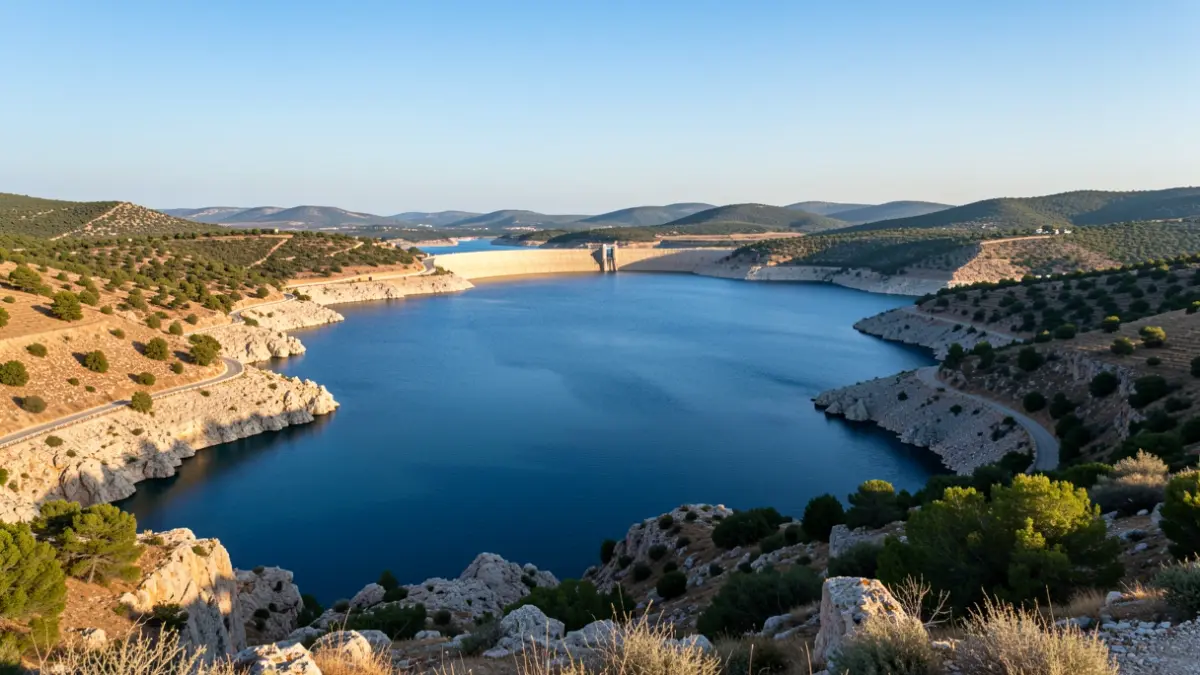
The author compares this situation with the dams in Girona and La Selva, such as Susqueda, el Pasteral, and Sau, which are particularly relevant during episodes of drought or torrential rain. It is highlighted that current infrastructure, built under the Franco regime, likely follows more rigorous designs and materials than those of the Vega de Tera dam.
Finally, the implementation of preventive measures like sirens is positively assessed, especially in the context of the climate crisis. The importance of heeding these warnings, even if they turn out to be false alarms, is emphasized, and it is hoped that these audible alerts will never need to be heard.