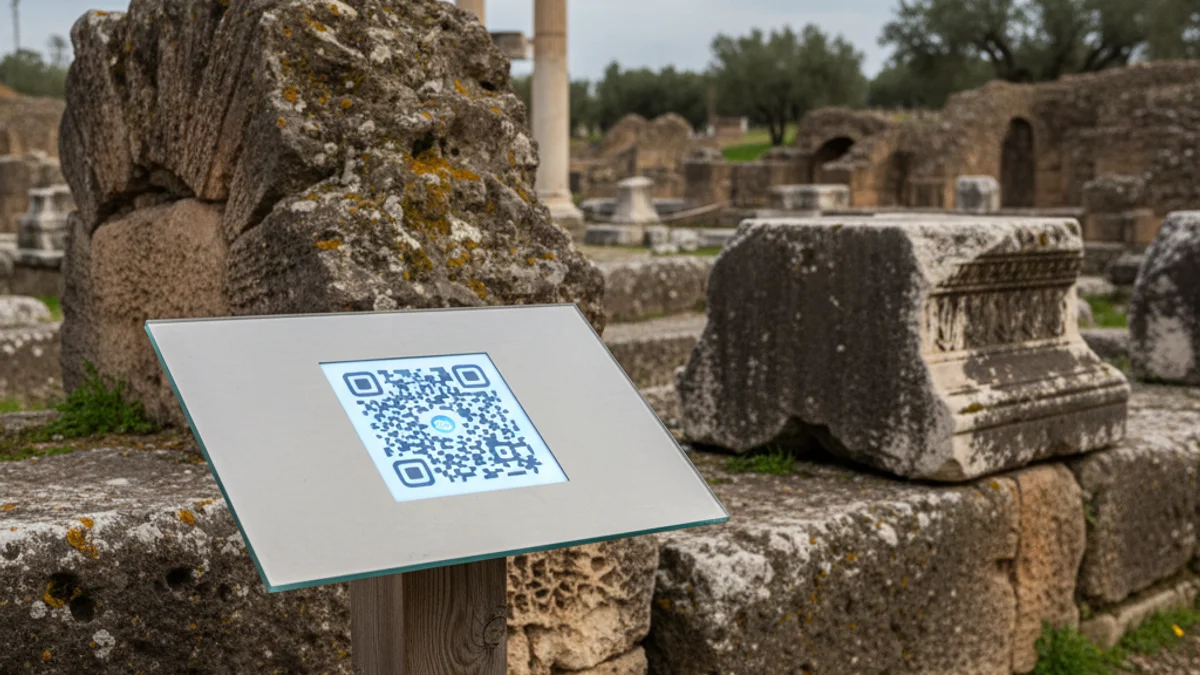
The new panels offer detailed explanations about key elements such as the cistern on the western terrace and the necropolis in the rustic area, the latter having been excavated in 2024 by archaeologist Joan Linàs.
All signage elements incorporate QR codes that link directly to the municipal website, allowing visitors to consult much more detailed content about the villa and the rich historical heritage of Tossa.
The villa, which was discovered in 1914 by Doctor Ignasi Melé, was continuously occupied between the 2nd century BC and the 6th century AD. It is considered one of the most important sites of the ancient Tarraconense Province and one of the most visited heritage elements in the municipality.
The new signage project was designed by the Girona studio Mil Paraules, under the direction of Martí Terés, and features archaeological illustrations created by History Doctor Jordi Sagrera.
The intervention was made possible thanks to a subsidy of 23,730 euros granted by the Diputació de Girona (Girona Provincial Council), framed within the Monuments Plan 2025, which seeks the progressive rehabilitation and preservation of the site.