Figures from the last decade show that bus services reached 503.8 million trips in 2024, a 33.4% increase compared to 2014. Within this growth, interurban transport stands out with a 47.9% increase in ten years, rising from 55.9 million to 82.6 million trips.
In contrast, Regional trains have only grown by 7.2% in ten years, reaching 10.2 million annual passengers, and even slightly declined in 2024 due to incidents like the works in the Roda de Berà tunnel. This disparity explains why the bus becomes the escape valve when the railway system fails.
“"People choose the mode of transport based on the alternative they consider best, and the most important factor is usually time, even above cost."
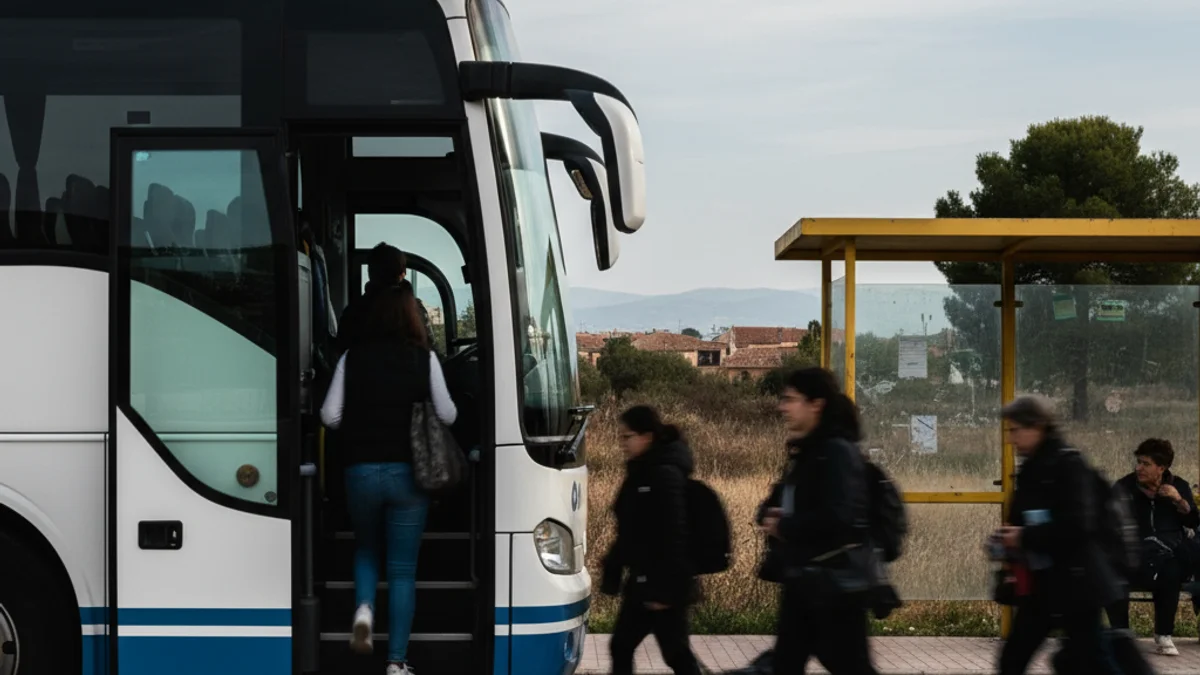
This emergency network function was clearly demonstrated in the Camp de Tarragona. Glòria Vallcorba, deputy director of Grup Plana, explained that the main challenge was the lack of foresight, as they had to triple passenger numbers on the Tarragona–Barcelona line, going from 600 to 1,600 daily people on weekdays.
For its part, José María Chavarría, CEO of Hife, which operates in the Terres de l’Ebre, noted that the company increased available seats by between 12% and 15%, displacing coaches from other communities such as Madrid, the Valencian Community, and Aragon to absorb the high demand generated by the rail crisis.