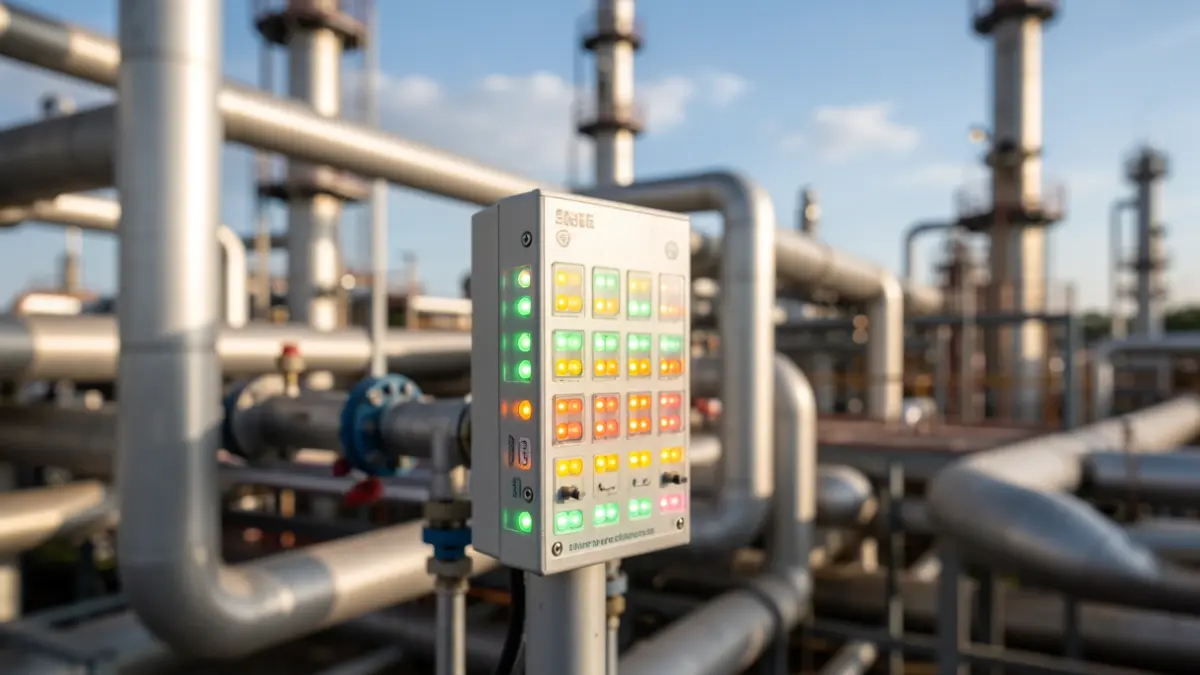
The infrastructure, strategically distributed between industrial zones and urban centers, is designed to identify hazardous substances such as ethylene oxide, hydrogen sulfide, sulfur dioxide, chlorine, and ammonia. These sensors are crucial for preventing accidents that could generate toxic clouds affecting areas outside the companies.
The municipalities integrated into this new safety layer are Constantí, el Morell, els Pallaresos, Perafort, la Pobla de Mafumet, Tarragona, Vila-seca, la Canonja, and Reus. Their placement allows for a rapid response to any detected anomaly.
This initiative is part of the review of the external emergency special plan for the chemical sector of Tarragona, conducted by the civil protection commission of the Generalitat. The sensor network is complemented by the mobile alert system Es-Alert, which will enable the sending of geolocated warnings to citizens.
The Operational Coordination Center of Catalonia (CECAT) will be responsible for activating the Es-Alert system. This tool is added to existing prevention mechanisms, such as the network of 121 chemical risk sirens operational in Catalonia and specific warnings for vulnerable areas defined in municipal civil protection plans.