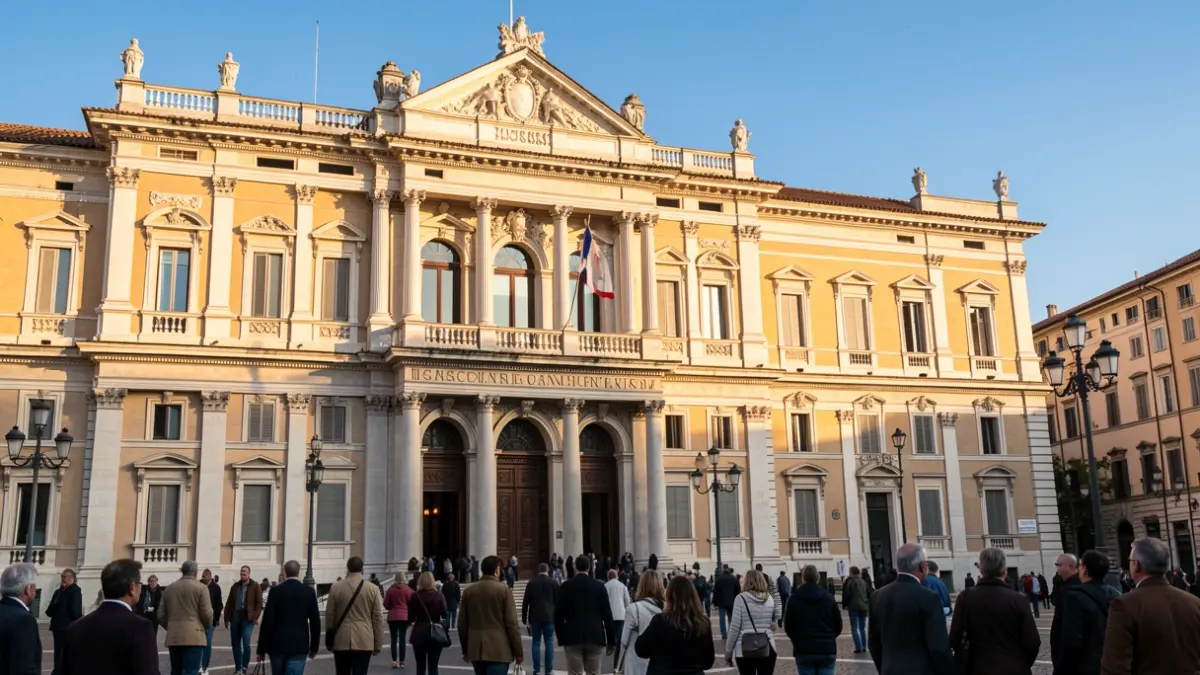
The acquisition of the Forvm Collection, which includes top-tier international photographs, has propelled the project to relocate Tarragona's Museum of Modern Art (MAMT). The aim is to move it from its current site on Santa Anna street, in the Part Alta, to the Diputació Palace, envisioning it as a «national reference» facility.
An initial feasibility study, commissioned by the Generalitat de Catalunya last summer, supported the idea. The analysis concludes that the new collection will usher in a new era for the venue, originally established in 1976 in the Sescelades area and housed in the Old Town since 1991. This year, 2024, marks the museum's 50th anniversary.
Capitalizing on the planned relocation of over 300 provincial employees to the new operational headquarters at Plaça Imperial Tarraco around 2030, the Generalitat and the Diputació are working to revitalize the MAMT. The estimated investment for the new site on Passeig de Sant Antoni is approximately 12 million euros, jointly funded by both entities.
The relocation will enable a threefold increase in available space, expanding from the current 1,875 m² (or 2,055 m² with an extension) to around 4,300 m² at the new location. Exhibition space will double, growing from 735 m² to 2,022 m². The conference hall will increase from 96 m² to 232 m², and the library will expand from 135 m² to 240 m². Circulation areas will grow from 288 m² to 662 m², and open workshops from 14 m² to 68 m².
The new complex aims to become a «cultural epicentre of Catalonia», attracting half a million annual visitors from 2032 onwards, a fourteenfold increase from current figures. This projected attendance is comparable to that of Tarraco's monuments, which saw around 540,000 visits in 2024. The new facility is expected to promote tourism de-seasonalisation, diversify offerings, and enhance the region's appeal, while also boosting national and international presence through integration into European networks.
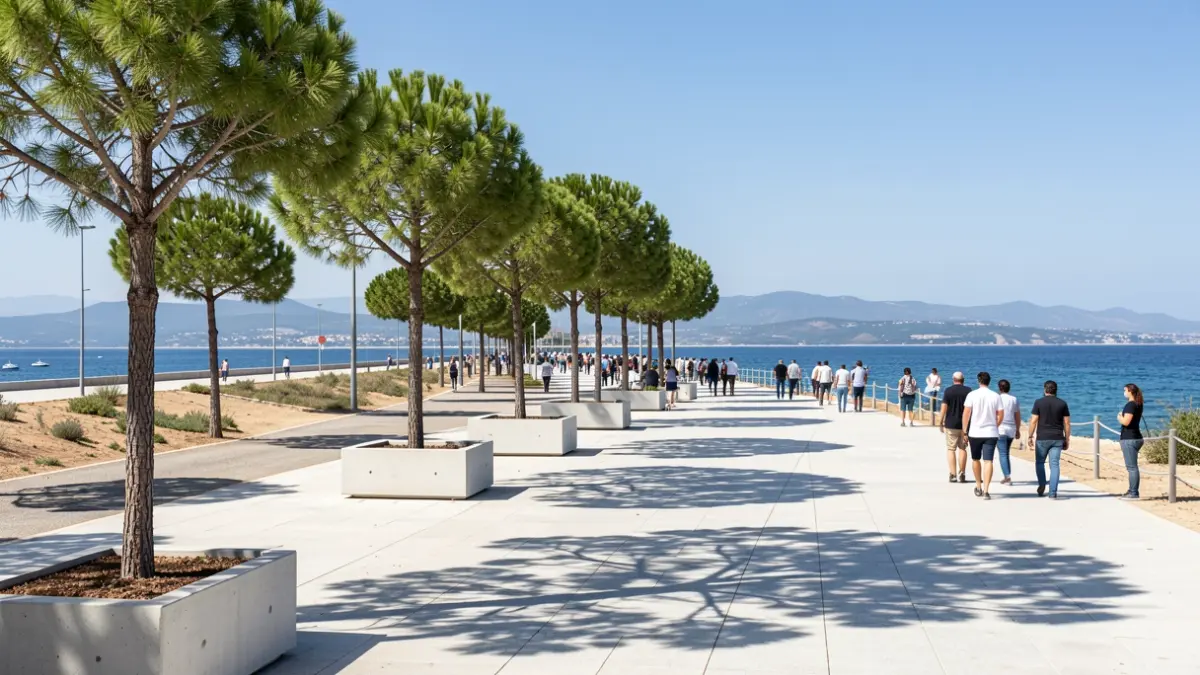
The initial proposal suggests the museum will have independent access with its own entrance and functional spaces equipped with the necessary technical conditions for collection preservation. A terrace featuring a restaurant is also planned, envisioned as «a new balcony to the Mediterranean», with the future site being compared to institutions like Es Baluard in Palma or the Thyssen in Madrid.