The evolution of language has left a trail of unique names. A notable case is La Seu d'Urgell, where residents are called urgellencs, a term that becomes even more complex when referring to the Alt Urgell region.
In the Tarragona area, feudal history and Arabic etymology lead the way. In Tàrrega, the term targarí may derive from the Arabic at-tariga, meaning crossroads. Meanwhile, in Torredembarra, the name comes from the ancient Torre d'en Barra, resulting in the demonym torrenc.
“"When the Gothic bell tower of Reus was inaugurated, a donkey was hung from a hook to admire the magnitude of the work."
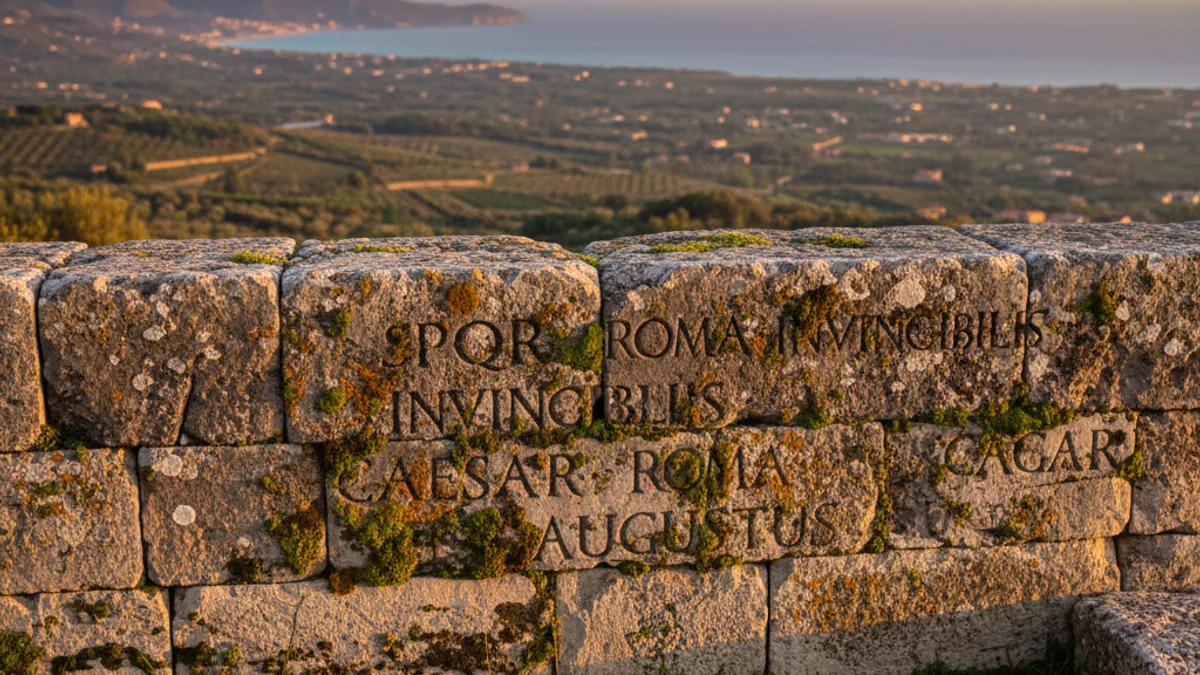
The Roman legacy of Hispania remains prominent in provincial capitals. Barcelona maintains the term barcinonense, while Lleida (formerly Ilerda) uses ilerdense. In Tarragona and Girona, the forms tarraconense and gerundense recall their past as Tarraco and Gerunda.