The Port of Tarragona Museum has begun an ambitious project that will allow for a three-dimensional restitution of the two archaeological ships it preserves and exhibits. This initiative, with an estimated duration of eight months, aims to digitally reconstruct the original appearance of the vessels from the preserved archaeological remains, generating 3D models that will deepen knowledge about their construction, function, and historical context.
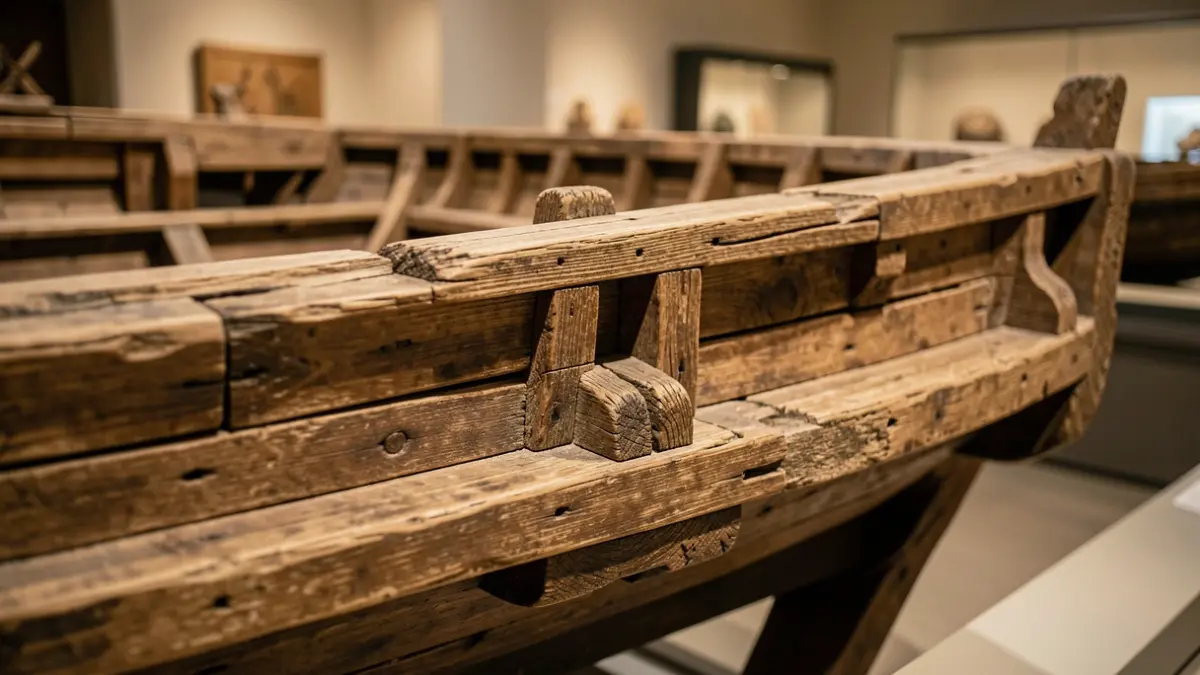
The two shipwrecks were discovered in 2011 during construction work in Plaça dels Carros in Tarragona. After their discovery, the remains were transferred to the Centre d'Arqueologia Subaquàtica de Catalunya, in Girona, for a lengthy conservation process. In the summer of 2024, the vessels returned to Tarragona to become part of the Port Museum's permanent exhibition, making it the only museum in Spain to exhibit two shipwrecks.
To deepen the understanding of these unique pieces, the museum has commissioned the three-dimensional restitution project to Dr. Marcel Pujol i Hamelink, a historian and naval archaeologist. The work includes exhaustive graphic documentation, photographic sessions, and the application of photogrammetry techniques, handled by photographer and archaeologist Bruno Parés, to generate digital three-dimensional models. In parallel, a historical study is being conducted to determine the vessels' typology, function, construction system, chronology, and the cultural and technological context in which they were built and used.
The final outcome will be the creation of two 3D models that will define the hull shapes and provide a faithful restitution of the vessels' original appearance. This new tool will facilitate scientific and educational interpretation, helping to explain to the public what these vessels looked like over three hundred years ago and reinforcing the museum's role in the conservation and dissemination of Tarragona's maritime heritage.