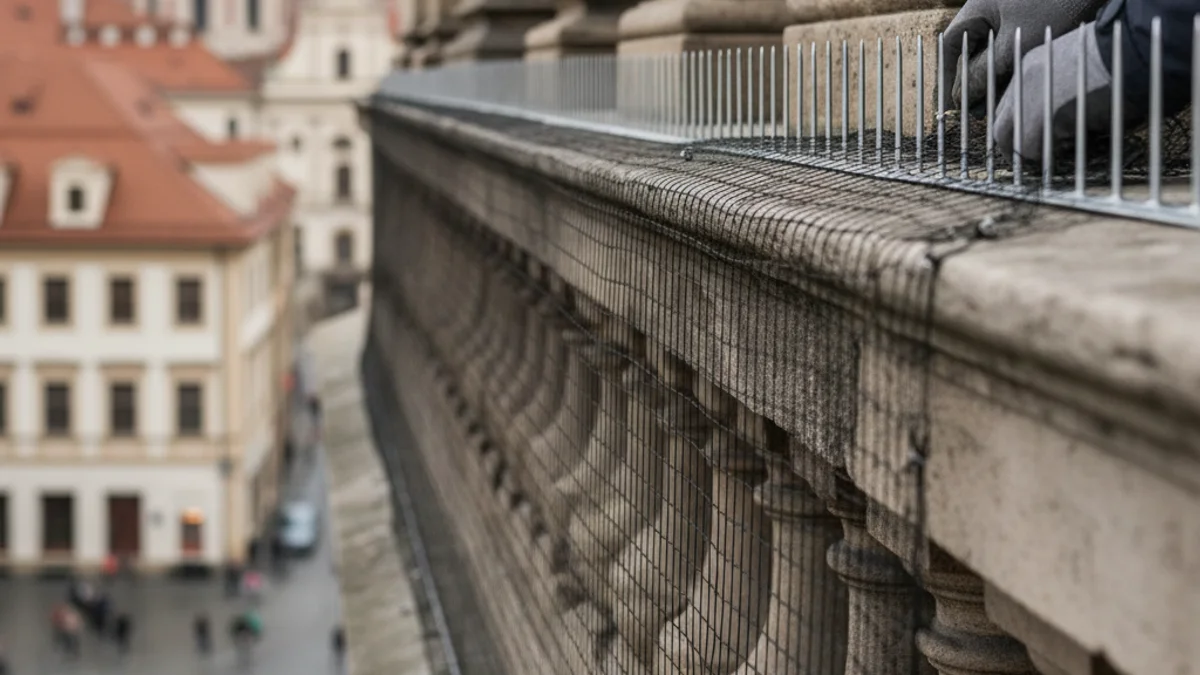
The initial intervention, which will last about fifteen days, consists of placing nets or elements to prevent the birds from landing. This action is based on a recent audit and the intention is to subsequently extend it to the rest of the city, as indicated by the Councilor for Cleaning of the Tarragona City Council, Sonia Orts.
“"These are approved actions that respect animal welfare. These 25,000 euros will have a direct impact on cleanliness, image, and sanitation."
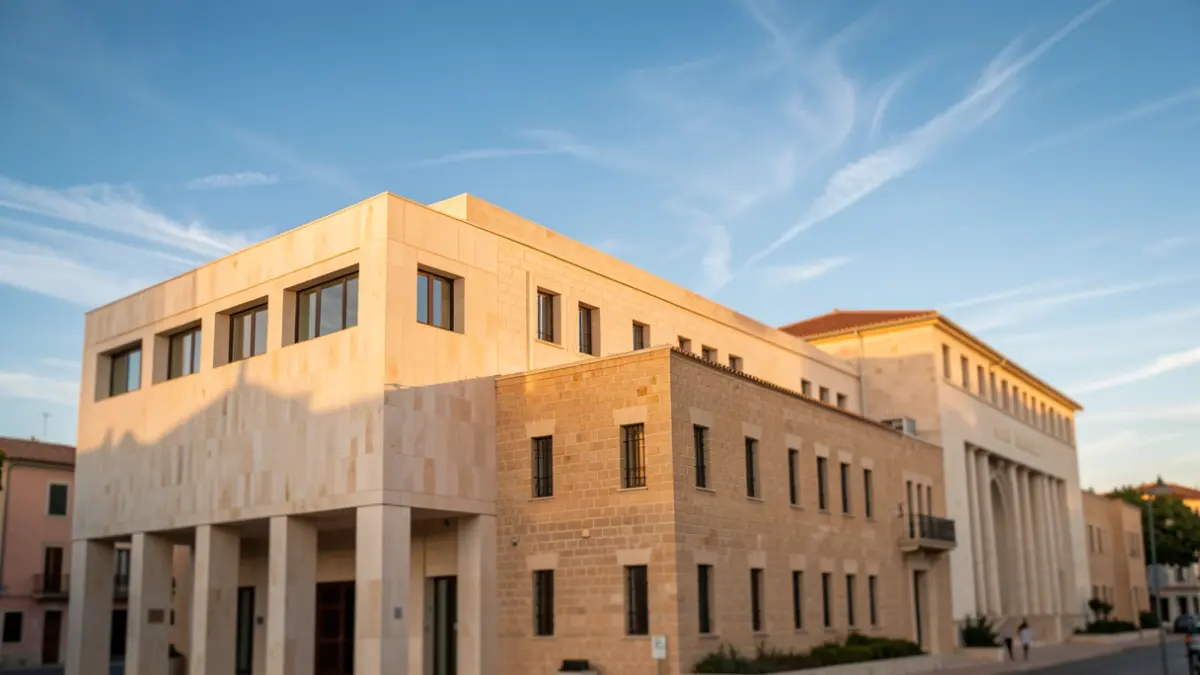
The municipal census estimates that there are between 16,000 and 18,000 pigeons in Tarragona, but the majority do not cause problems. The technical solution, designed by the company Biodiversitat.cat, does not seek to eliminate the birds but to make it difficult for them to land in places like lampposts, telecommunications boxes, or rooftops. 80% of the critical points are private properties, including municipal buildings such as the Palau Municipal or the Teatre Tarragona.
“"Of the 81 points, none is a large roost; rather, there are two, three, or four pigeons in each one."
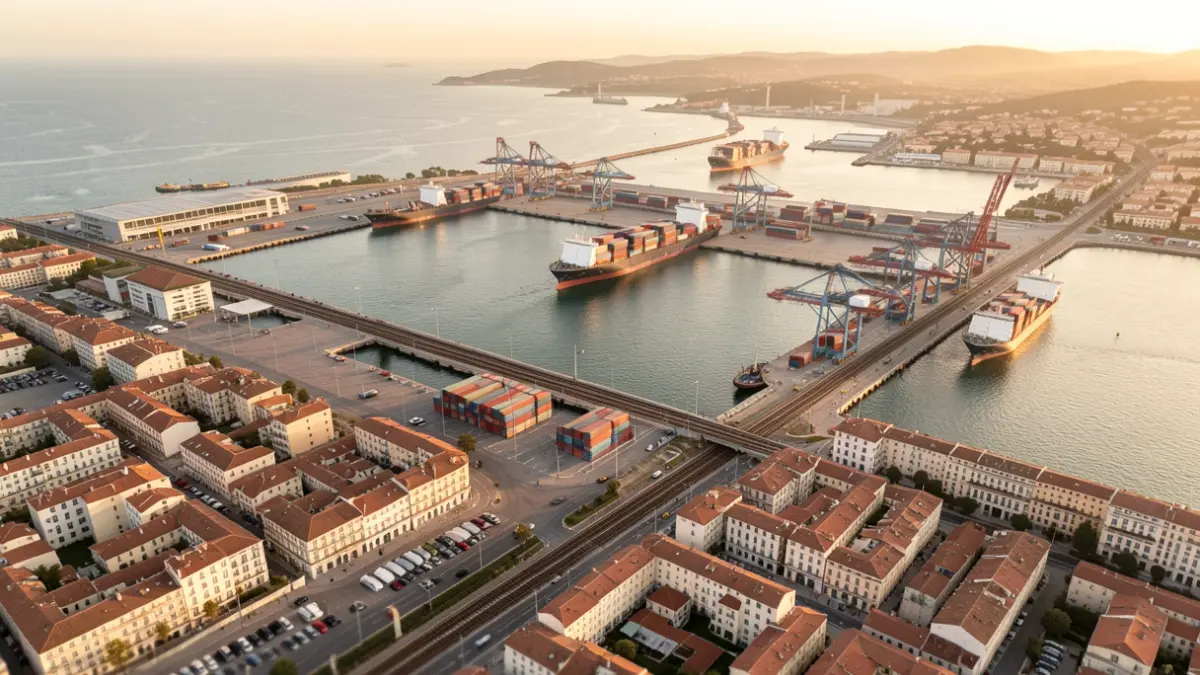
In parallel, the consistory has opened a citizen service with home visits to advise residents on specific solutions. Furthermore, measures have been implemented at the Port de Tarragona to hinder pigeon access to feed, aiming to reduce the total population by 60% to 70% in the next two years. The global action over the next two years will amount to 230,000 euros.