The exhibition, titled JuJoleJant l'arxiu: dibuixar i modelar (Jujoling the Archive: Drawing and Modeling), delves into the career of Josep Maria Jujol, a key figure in Catalan modernism and early 20th-century architecture. The display is based on the analysis of documentation related to his work in Camp de Tarragona, sourced from the archive his family donated to the Official College of Architects of Catalonia in 2022. A significant 60% of the images on display are previously unseen.
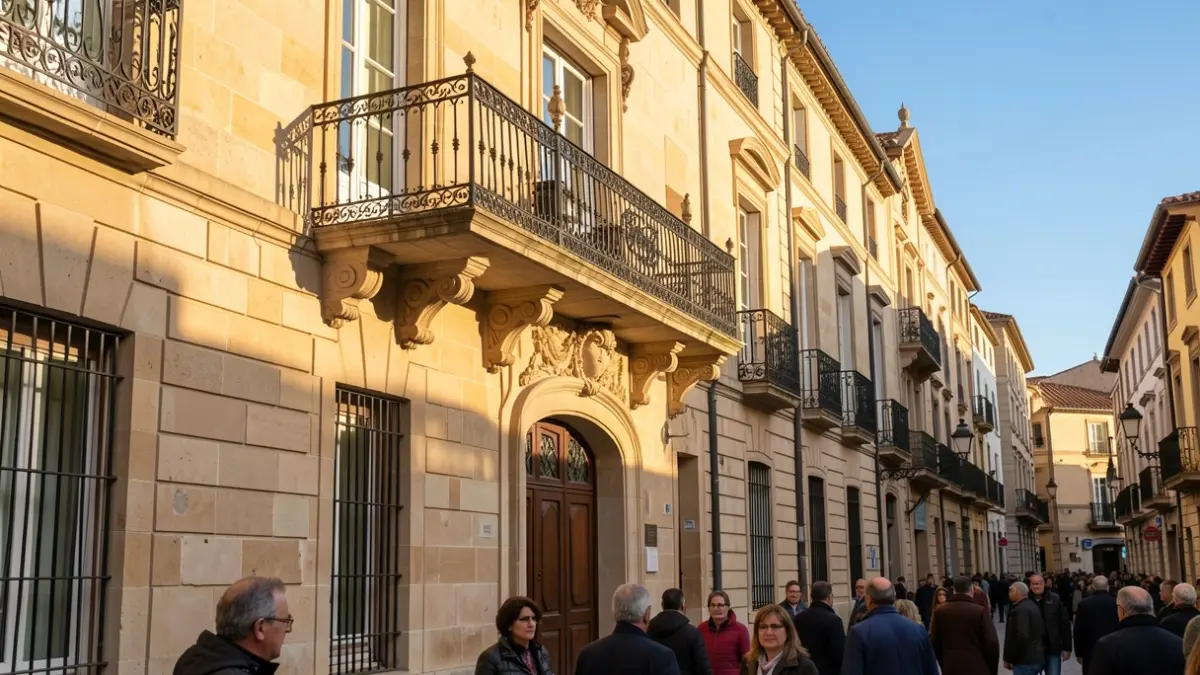
The exhibition is curated by Roger Miralles, director of the Higher Technical School of Architecture (ETSA) at URV and a renowned specialist in Jujol's work. The show runs until May 15 at two emblematic venues on Sant Llorenç Street in Tarragona: the Gremi de Pagesos de Tarragona and the CoAC-Tarragona headquarters. Its realization involved collaboration with an Architecture student from URV and two predoctoral researchers from the same university.
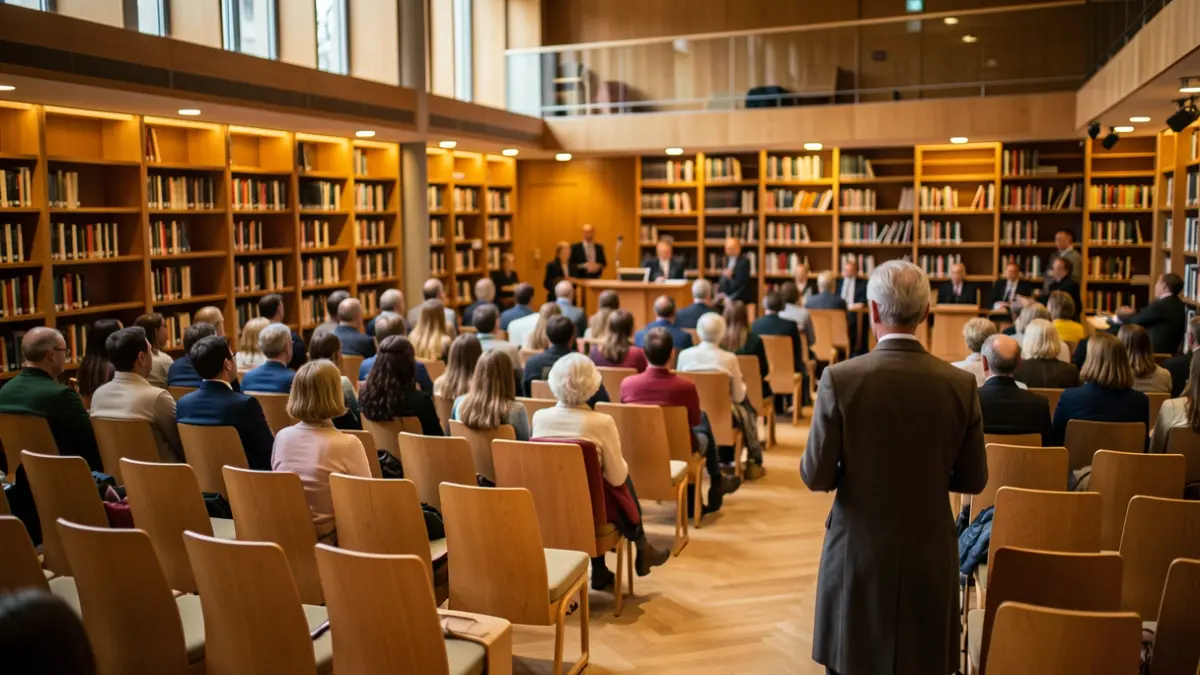
The exhibition is structured into two main sections, reflecting Jujol's philosophy on the two forms of expression for architects: drawing and manual creation. In the COAC hall, visitors can observe objects such as chairs and door handles that highlight his sculptural side. Additionally, the exhibition makes available over 300 documents, with a special focus on four buildings designed by Jujol in Camp de Tarragona that are still preserved, either fully or partially: the Bofarull house in Els Pallaresos, the Vistabella church, the Convent of the Carmelite Fathers in Tarragona, and the Mas Carreras chapel in Roda de Berà.
“"He used to say that architects had two ways of expressing themselves: drawing and making things with their hands."
Among the exhibited materials, a previously unknown working method of Jujol stands out: his use of photographs over which he would draw his intended projects. Reproductions of original plans are also on display, such as a three-meter-long construction plan for the Carmelite convent, believed to have been hung on the construction site wall for final detailing.
This exhibition marks the public debut of all documentation related to the modernist architect's work in Camp de Tarragona, bequeathed by his family to the College of Architects. The inclusion of the Gremi de Pagesos as an exhibition venue underscores Jujol's connection to this entity, for which he created the Pietat float, the standard for the Holy Week procession, and the painting of the Mare de Déu dels Àngels.
Despite his collaboration with Antoni Gaudí on iconic works such as La Pedrera, Casa Batlló, and Parc Güell, Josep Maria Jujol's solo career was extensive, including projects like Casa Planells and the Metropol theater. He was a versatile architect and artist, eventually becoming a professor at the Higher School of Architecture and a clay sculpture instructor at the Escola del Treball in Barcelona.