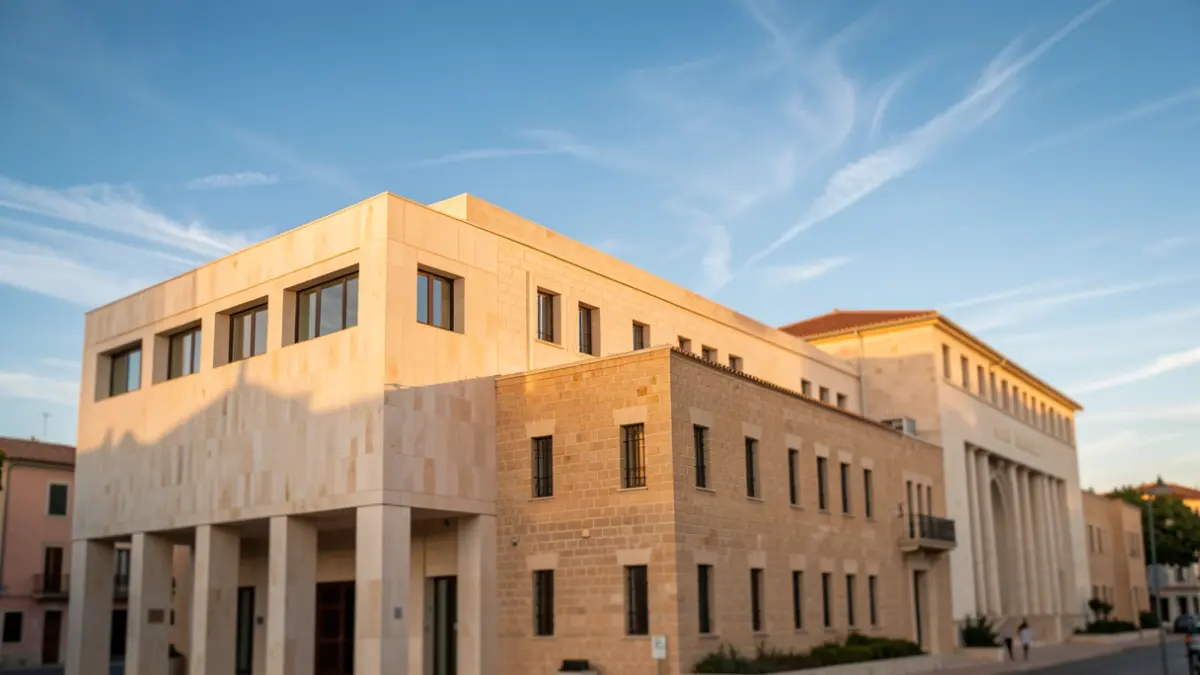
The Educational Complex is an emotional and historical reference point for thousands of residents of Tarragona and neighboring regions who completed part of their education there. The desire to preserve this link is legitimate, but it must be weighed against the benefits of the planned relocation to the Ponent area.
This relocation would involve a significant investment to modernize the educational facilities, adapting them to the training needs of the 21st century. Furthermore, the operation is key to unlocking other vital urban projects for Tarragona.
One of the most important projects dependent on this move is the relocation of Exolum, an operation that caused the annulment of the 2013 POUM (Urban Planning Master Plan) by a ruling of the Supreme Court.
The issue should not be viewed as an irreconcilable dilemma. A declaration as a BIC does not necessarily imply the total freezing of the site. Careful planning could allow some emblematic buildings of the complex to be preserved and integrated into a use compatible with the activity of the Port of Tarragona, keeping the collective memory alive.