The testimony of Lluís Badia, who served as president of the Tarragona Port Authority between 1996 and 2004 and later as a senator for Convergència i Unió (CiU), highlighted the links between the Pujol case and key figures of the 'pujolisme' era. During the trial at the Audiencia Nacional, Badia acknowledged his "relationship of friendship" with the former president's eldest son, but was initially reluctant to admit his participation in joint commercial ventures.
“"They could not pressure me because there was no formula with which to pressure me."
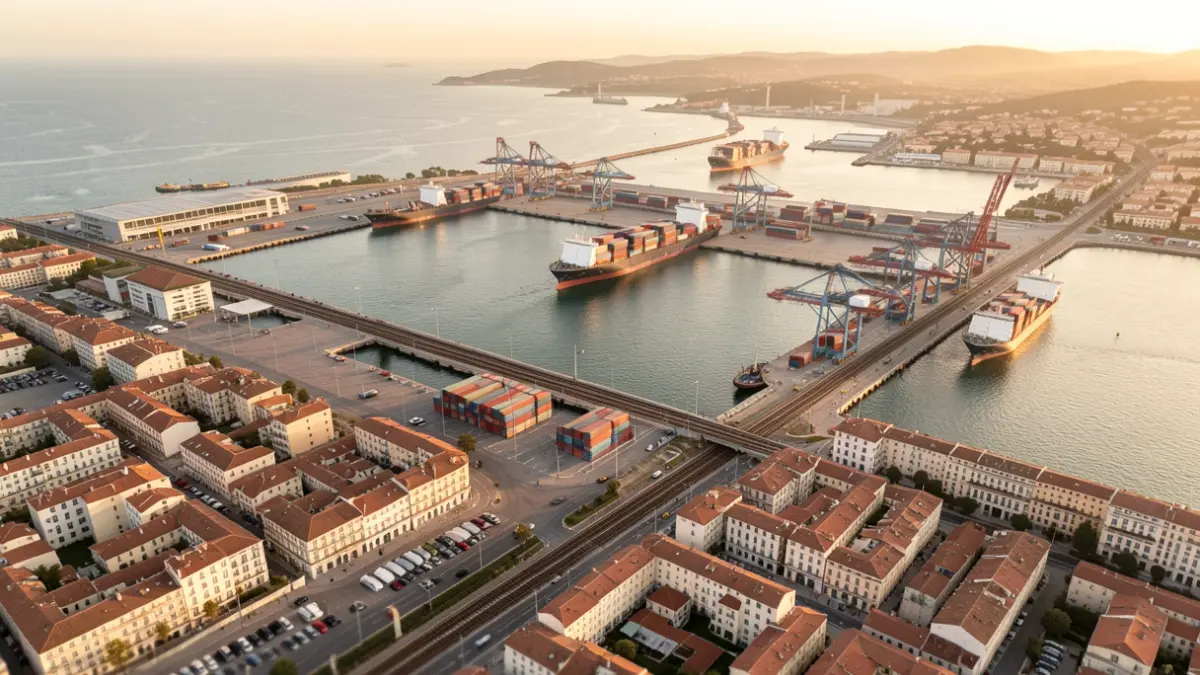
A central point of the questioning focused on his time at the Port of Tarragona. The prosecutor asked Badia if he intervened to grant fuel storage to the company Euronergo, which allegedly paid Jordi Pujol Ferrusola 54,000 euros shortly after the award. Badia firmly denied helping collect the commission, asserting that decisions were made by the board of directors, an entity including representatives of the State.
The prosecutor Fernando Bermejo had to remind Badia of his obligation to tell the truth, citing three invoices from Badia's law firm to Imisa, the company used by Pujol júnior for commissions. Badia conceded that his office had billed for advice on investments in Mexico.
Badia also admitted to creating a company in Croatia in 2003 with Jordi Pujol Ferrusola and their wives, investing about one million euros. Despite the investment, the former senator claimed he only recovered the initial capital "in the long term" and without interest, often citing "lack of memory" regarding details dating back two decades.