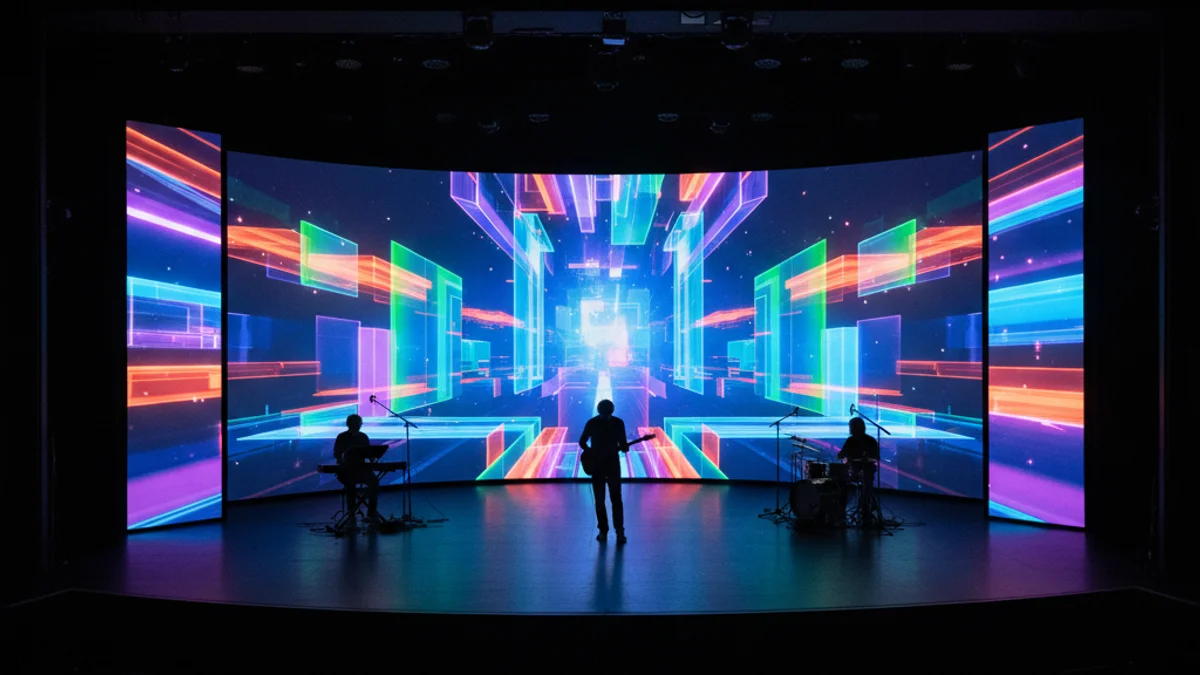
The project, which marks the first collaboration between the Gran Teatre del Liceu and the Fundació Òpera en Catalunya, adapts the classic genre to bring it closer to new audiences. The adaptation combines Verdi's opera with a futuristic aesthetic inspired by the world of video games.
La jove Aïda is a dramaturgical, musical, and scenic readaptation that features a young video game creator heroine named Aina as the protagonist. She steps into Aïda's shoes in a virtual reality she created, where she must overcome challenges dealing with classic themes such as betrayal, honor, and homeland.
“"There is a game between reality and fiction about how we enter and how we get involved in stories that is very present for young viewers, whether they watch cartoons, movies, read books, or comics. From there we can tell them more complex issues, such as those found in classic works like Aïda."
The music combines classic "hits" from the work with more modern sounds and electronic music fragments, performed live by seven musicians without a conductor. The set design draws inspiration from the mythical proposal made by Josep Mestres Cabanes in 1945 for the Liceu, using videos inspired by video games to ensure versatility and quick assembly.
The premiere in Tarragona included performances for over 700 primary students and a family performance on Saturday. This initiative is part of Tarragona's Strategic Culture Plan 2033. Following the Tarragona capital, the work will be performed in Sant Cugat, Girona, Cornellà de Llobregat, and Figueres before reaching the Gran Teatre del Liceu in October.