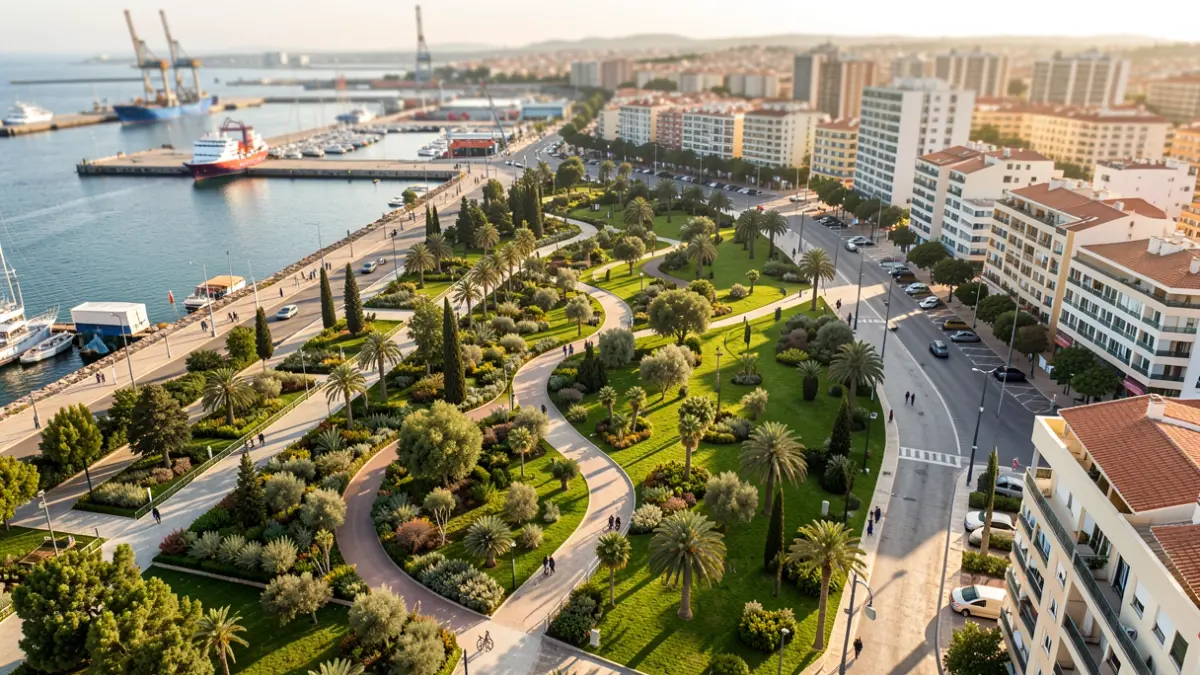
The European Sea Ports Organisation (ESPO) has chosen the Port Park as one of the four most outstanding projects at a European level for integrating port areas with the cities that host them. This new green space, created by the sea, is based on sustainable urbanism, promoting resilient and intergenerational environments. The transformation of the area around the headquarters of the Port Authority of Tarragona (APT) has created a low-emission zone prioritizing pedestrians and cyclists.
A delegation from Port Tarragona will travel to Brussels on November 10 to defend the candidacy before the jury, the same day the winner will be announced. The Port Park competes with similar projects from the ports of Cork, Dublin, and Reykjavik.
The jury president, Eamonn O’Reilly, highlighted that the finalists offer "innovative approaches that are a source of inspiration for the rest of the European port system" in the integration between ports and cities.
For his part, the president of Port Tarragona, Santiago J. Castellà, congratulated those involved for their vision in transforming the space, previously dominated by road traffic, into "a profoundly urban space, designed for people of all ages to enjoy health, sport, and intergenerational relationships in a unique location by the sea".
The Port Park promotes a new paradigm of sustainable urbanism, creating habitable, inclusive, efficient, and resilient spaces in the face of new climate realities. It acts as a climate refuge, reducing the urban heat island effect thanks to the shade and evapotranspiration capacity of the native Mediterranean vegetation.
Green areas have increased by 65%, from 7,000 m² to 11,500 m², with approximately 200 trees and over 14,500 plant elements. A butterfly garden and Sustainable Urban Drainage Systems (SUDS) have been included to reduce flood risk and promote biodiversity.
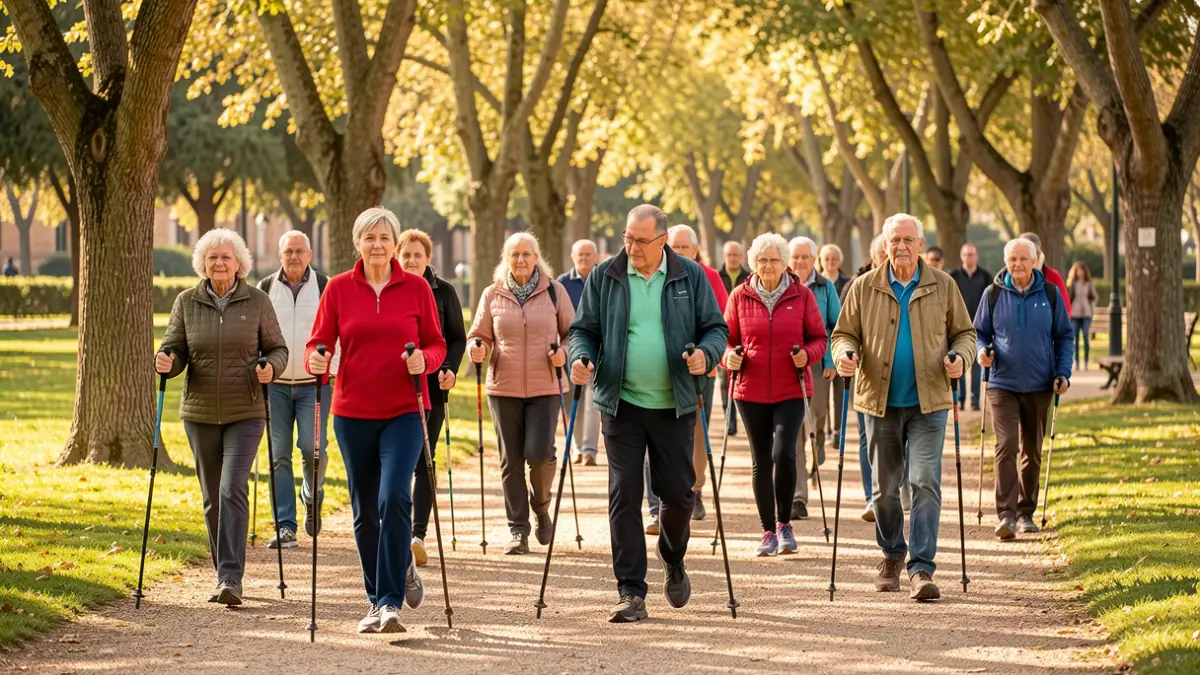
With the City 8-80 urban concept, the park aims to be an intergenerational space featuring children's play areas, rest zones, pathways, and a calisthenics circuit.
The opening of the park enhances the connectivity of the city's waterfront, acting as a link between the Serrallo, Moll de Costa, and the Miracle promenade. Motorized traffic space has been reduced by 65% (from 13,600 m² to 4,600 m²), with pedestrians and cyclists gaining 44% more space.