This initiative, part of a pilot plan that will extend to other high schools in Catalonia, involves integrating these agents into existing working groups, such as coexistence, inclusive care (CAEI), and absenteeism commissions. According to the Government, the police presence is not a response to security issues but rather a need to enhance student well-being and the educational community amidst increasing complexity in the school environment.
The educational centers where the project will be implemented include the Ribera del Sió institute in Agramunt, Lo Pla d'Urgell in Bellpuig, Manuel de Pedrolo and Alfons Costafreda in Tàrrega, as well as the Val d'Aran institute in Vielha and the Escòla d'Ostalaria in Les. The agents' role will be to facilitate the detection and immediate resolution of coexistence incidents, absenteeism cases, or mediation needs, while maintaining leadership in decision-making by the management teams.
“"Any measure to prevent and detect undesirable situations, and that serves to improve the coexistence and education of young people, is positive."
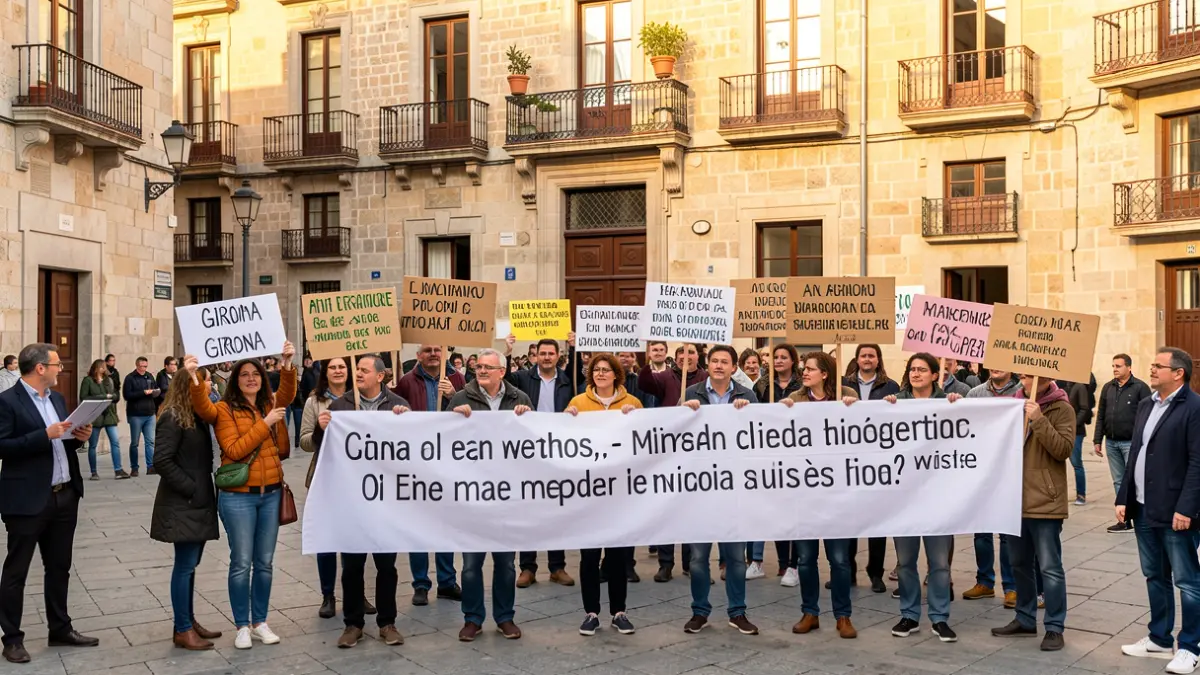
Despite the Government's justification, the measure has faced strong opposition from teacher unions and parent associations. The majority education union in Catalonia, Ustec-Stes, has criticized the Education department's "police logic," while the CGT has warned that police presence could "criminalize the most vulnerable students" and generate "distrust and stigmatization".
Other entities, such as the Desmilitaritzem l'Educació campaign, have called the measure a "nonsense" and demanded its immediate withdrawal. For its part, CCOO has rejected the pilot program, considering it not the correct approach, and has called for more investment in public policies to address the complexity in classrooms.