La Fuliola has decided to pause the celebration of its traditional Harvest and Threshing Festival. This break, interrupting what would have been the 46th edition, aims primarily to rethink the festival's future and secure its continuity. This period is likened to agricultural fallow land, a time of rest to renew energy and ideas before resuming planting.
In recent years, the festival has seen a decline in momentum despite organizational efforts to introduce novelties. Association president Lluïsa Solsona stated that the pause will allow for adapting the event to new social trends, acknowledging the need for "many changes." The possibility of a more resourced institution taking over the main organization is being considered, with the current entity potentially shifting to a support role, although no decisions have been finalized.
A significant challenge is the lack of generational succession, a "cultural and civic problem" that makes it difficult to find people willing to get involved. Solsona also highlighted a shift in public interest; the reenactments of old farming tasks, once a major draw, now have less impact. Furthermore, the decreasing number of veteran reapers and threshers complicates the maintenance of traditional demonstrations.
Despite these challenges, the organization has attempted to adapt by promoting family-oriented activities, children's events, and art exhibitions. Since 2022, the festival had already been scaled down to a single weekend due to limitations in human and financial resources.
To maintain community ties, the organization will host a popular dinner on the upcoming July 4th at l'Era. The goal is to preserve emotional connections and foster a space for collective reflection, hoping that new ideas or individuals willing to participate may emerge from this event.
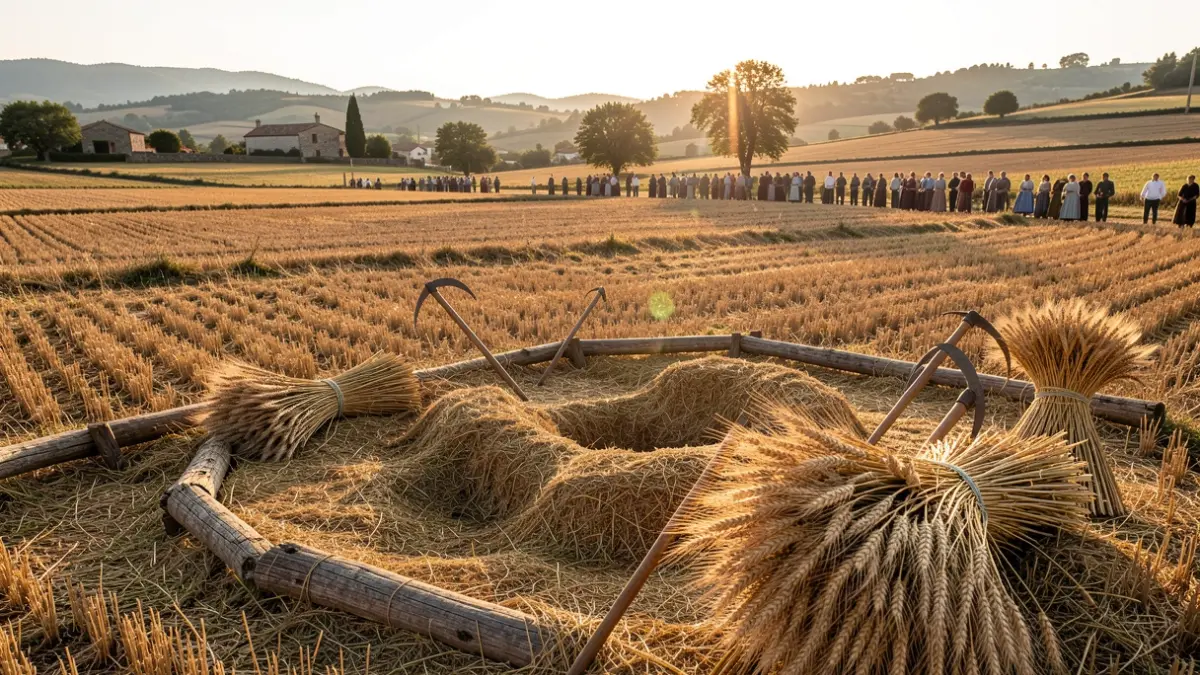
The festival, which showcases historical farming tasks like manual and mechanized reaping and threshing, is now pausing with the hope of returning revitalized. The challenge lies in finding a formula that resonates with younger generations while preserving its authenticity as a landmark of the region's agricultural heritage.