The context for this mobilization lies in the Manifiesto de Lausana, disseminated by Don Juan de Borbón on March 19, 1945, from Switzerland. In this declaration, the claimant to the throne openly distanced himself from General Franco's dictatorship, demanding a return to a constitutional monarchy, a move that resonated in the international press.
Esteve Maria Relat Corominas, a doctor and former mayor during the Primo de Rivera Dictatorship, was removed from power due to Falangist intrigues in 1939. This hostility was evident during the annual funerals, where Relat prevented the Francoist councilors from sitting in the front pew of the Sant Fèlix church, highlighting the poor relations with the local regime.
“"The former mayor from the years of the Dictatorship had suffered greatly. Persecuted and imprisoned, upon being released from prison he showed the considerable physical and moral toll of the hardships endured."
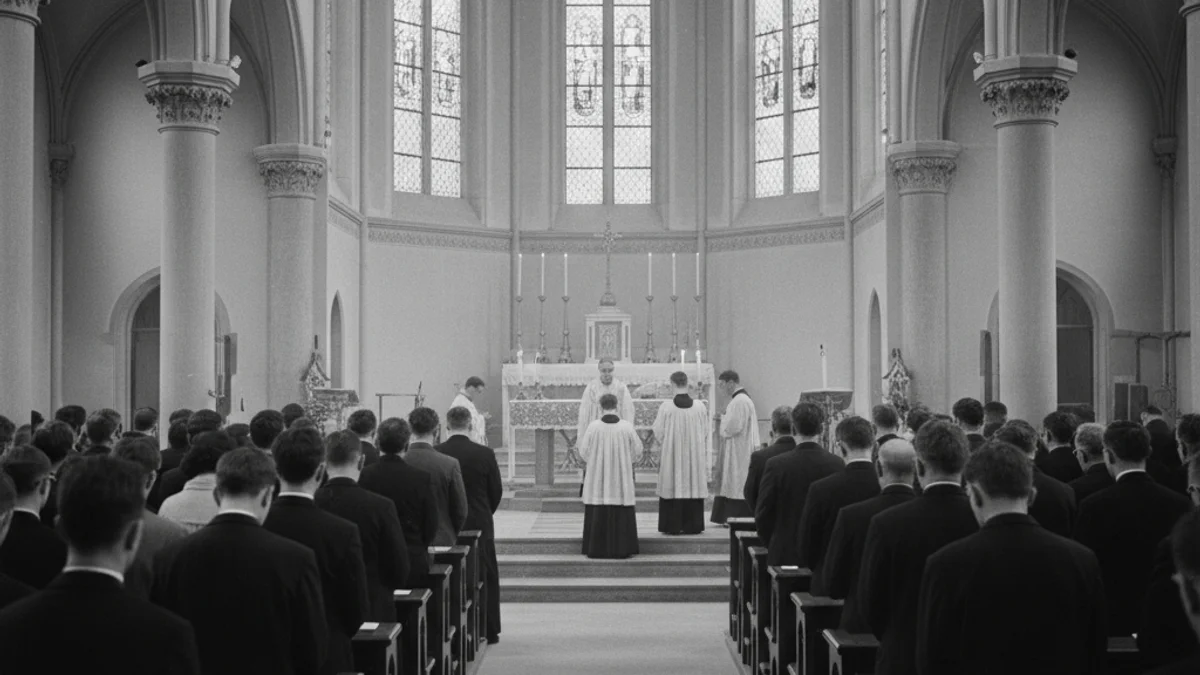
These ceremonies, held on February 28, the date of the monarch's death, served as a meeting point for monarchists from Sabadell and Barcelona. The organizers distributed luxurious invitations, some in Catalan, and high-quality propaganda material in favor of Juan III, often without an imprint to avoid reprisals, suggesting a climate of semi-clandestinity.