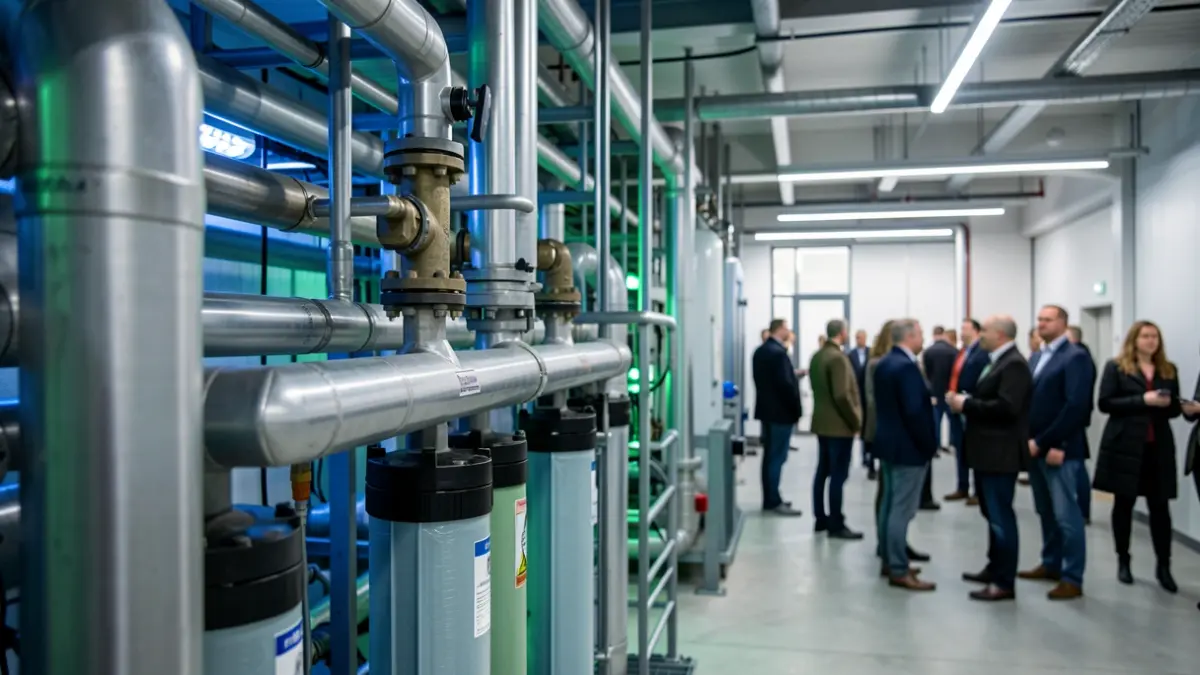
Sabadell's new water treatment plant, which became operational this week, aims to generate an additional 1,000 million liters of potable water per year, equivalent to the consumption of 6,800 families, representing 10% of the city's total. This infrastructure seeks to decrease dependence on the Aigües Ter-Llobregat general system and ensure its own supply during drought periods.
The facility will utilize water from wells and mines in the Ripoll River, Parc Catalunya, and the Marí Vinyals mine. This water, previously restricted to irrigation and the park's lake, will now meet the necessary health standards for human consumption. Enric Blasco, president of Aigües Sabadell, highlighted during the presentation that "excellent water quality" has been achieved.
The construction of the treatment plant involved an investment of 965,000 euros, half of which was covered by a grant from the Catalan Water Agency (ACA).
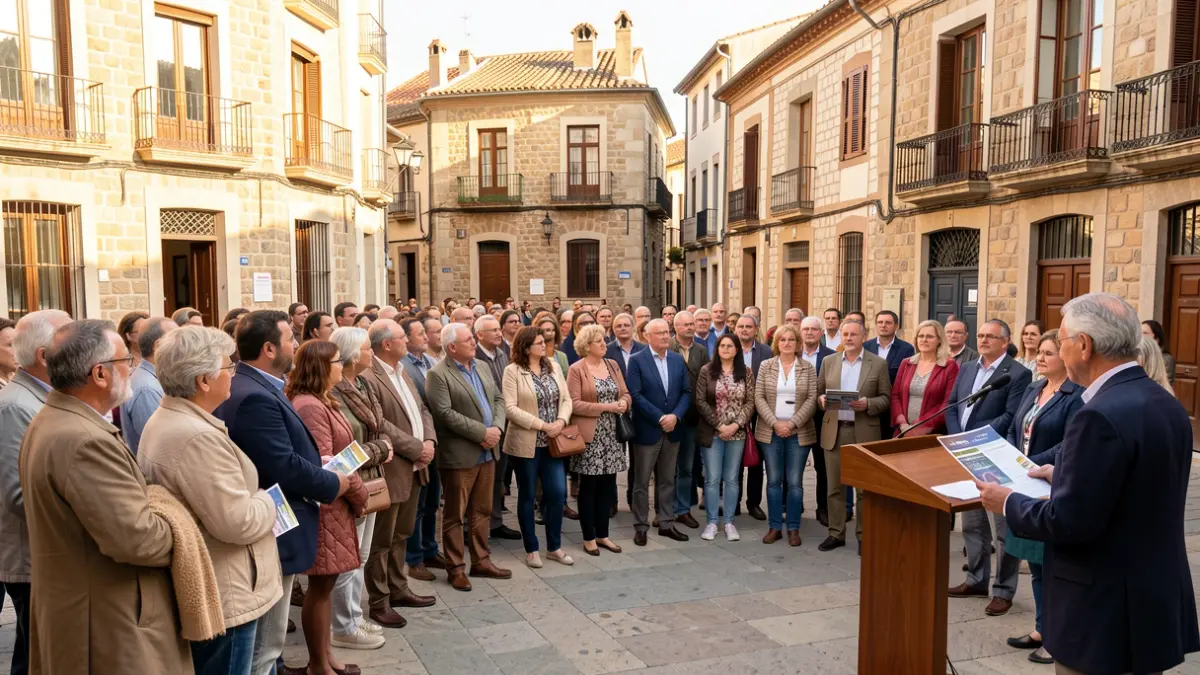
Sabadell's mayor, Marta Farrés, emphasized that the plant strengthens the city's "water independence," making it "more self-sufficient" and "resilient" against climate change and droughts. She stated that this project, along with the use of reclaimed water, positions Sabadell "light years ahead" of many municipalities in Spain and Europe in water management. Josep Lluís Armenter, director of the ACA, endorsed the city's commitment to sustainable water use.
This plant is part of a broader project to utilize groundwater, aiming to increase Sabadell's annual water generation by 2 cubic hectometers. A new pipeline has been constructed under Vilarrúbias street and Zamenhof avenue to transport water from the river to the plant. After treatment, the water will be pumped to the Can Llong reservoir to be mixed with water from the Ter-Llobregat system.
Furthermore, Farrés and Blasco have expressed their intention to establish a "triple water network" in the medium and long term: one for potable water, another for reclaimed water (for industrial and green areas like Can Gambús and Riu-sec), and one for wastewater.