Maximum temperatures recorded in Sabadell during June and July reached 32.7°C, a figure 3.2°C above the historical climatic average, according to data from the Parc Agrari station. This situation, described as "unprecedented" by the head of Climatology at Meteocat, Marc Prohom, shows values that were expected for the mid-21st century.
During the 61 days of the meteorological summer up to July 31st, 55 recorded temperatures above normal. Furthermore, 19 days with maximums exceeding 35 degrees have been counted, a notable increase compared to the 6 days of the previous year and 2 days a decade ago. Prohom highlights the "unprecedented persistence" of the heat, with no normal summer experienced at any point, attributing this trend to climate change, although he considers it premature to determine if it will be a constant in the coming years.
In response to this situation, the city has established a network of climate shelters, including green areas, libraries, civic centers, and municipal swimming pools, to offer cooling spaces for residents. This year, the Vapor Badia library and Gernika square have been added. Prohom emphasizes the importance of citizens having a climate shelter within a ten to twenty-minute reach to ensure equal access.
The Sabadell City Council has advanced the opening of municipal swimming pools as a measure to cope with the high temperatures. However, the closure of some civic centers during August has generated neighborhood complaints. The heat has been constant, with fifteen tropical nights recorded in the last two months, where nighttime temperatures have not dropped below 20°C, which can affect health, especially for individuals with chronic illnesses.
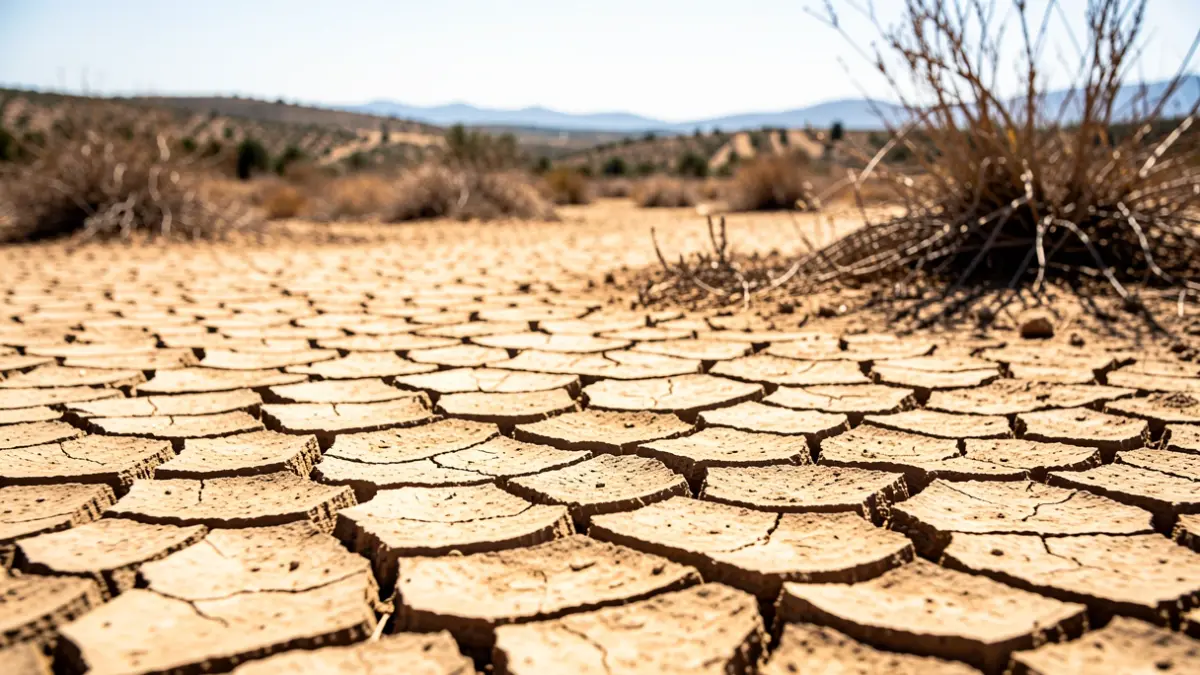
Regarding rainfall, the summer has been drier than usual, accumulating only 26.2 liters per square meter between June and July, 61% less than the average. This figure ranks the period as the fourth driest summer in the historical series. There were only two rainy days, June 4th and July 25th, leaving 50 days without precipitation.
The combination of lack of rain and high temperatures has created a conducive scenario for fire risk, as evidenced by the fire in Sentmenat, caused by a compact loader. The loss of moisture in the forests, exacerbated by the high temperatures in June, facilitated its spread. Expert Marc Prohom points to the need for incentives for more intensive management of private forests, as current management is not optimal and continuous forest masses with dead pines act as fire enhancers.