Coinciding with the International Day of Awareness of Food Loss and Waste, the Consell Comarcal del Vallès Occidental highlighted on September 29 the food utilization policies implemented in the region. The presented figures surpass 192,000 meals recovered since 2015 and 168,199 kilograms of fruit and vegetables utilized since 2021.
These figures are the result of the Recooperem – Sostenibilitat Alimentària project, which has established a network involving municipalities, educational centers, companies, social entities, health centers, universities, and the wholesale market Mercavallès. The objective is twofold: to prevent food fit for consumption from becoming waste and to facilitate access to it for people and families in need.
Preventing food waste offers a triple benefit: it enhances food security, avoids economic losses, and reduces pressure on natural resources and the climate. According to the United Nations Environment Programme (UNEP), food loss and waste generate between 8% and 10% of global greenhouse gas emissions.
The Recooperem – Cuina per initiative, part of the Recooperem – Sostenibilitat Alimentària project launched in 2015, recovers food surpluses from school canteens and other collective centers. This food is preserved with all guarantees and distributed through social entities in the region. Between the 2015-2016 and 2025-2026 academic years, 71,310 kilograms of food have been recovered, equivalent to 192,932 meals.
Currently, the project involves a network of 69 utilization centers, including 63 educational institutions, companies, hospitals, and a university, with the collaboration of catering companies and social entities.
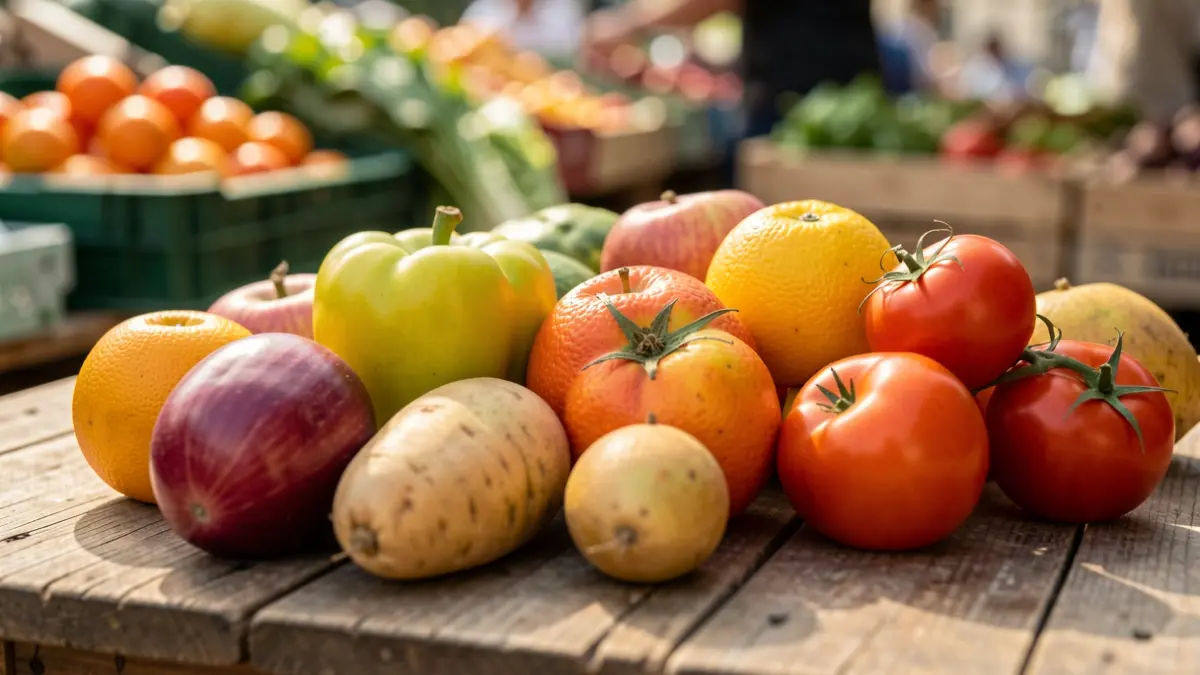
In parallel, the Mercat Circular, operational since 2021 at the wholesale market Mercavallès, has enabled the recovery of 168,199 kilograms of fruit and vegetables that are fit for consumption but fall outside the commercial circuit due to aesthetic reasons, sizing, or lack of demand. This food is also distributed to families in need, promoting access to fresh produce and a more circular food model.
The Consell Comarcal is also participating in the European project Social Food Webs, co-financed by the Interreg Europe program, to transfer European innovation to the region and improve food policies. On September 23, local and regional stakeholders met to monitor actions and propose solutions to the region's challenges.
The Social Food Webs project brings together eight European territories working to improve regional policies on waste prevention, surplus redistribution, and the development of more circular and socially inclusive food circuits. The aim is to connect international innovation with local impact.
These initiatives align with European, national, and Catalan strategies for preventing food loss and waste, and with the Sustainable Development Goals of the 2030 Agenda of the United Nations, particularly the goal to halve per capita food waste by 2030.