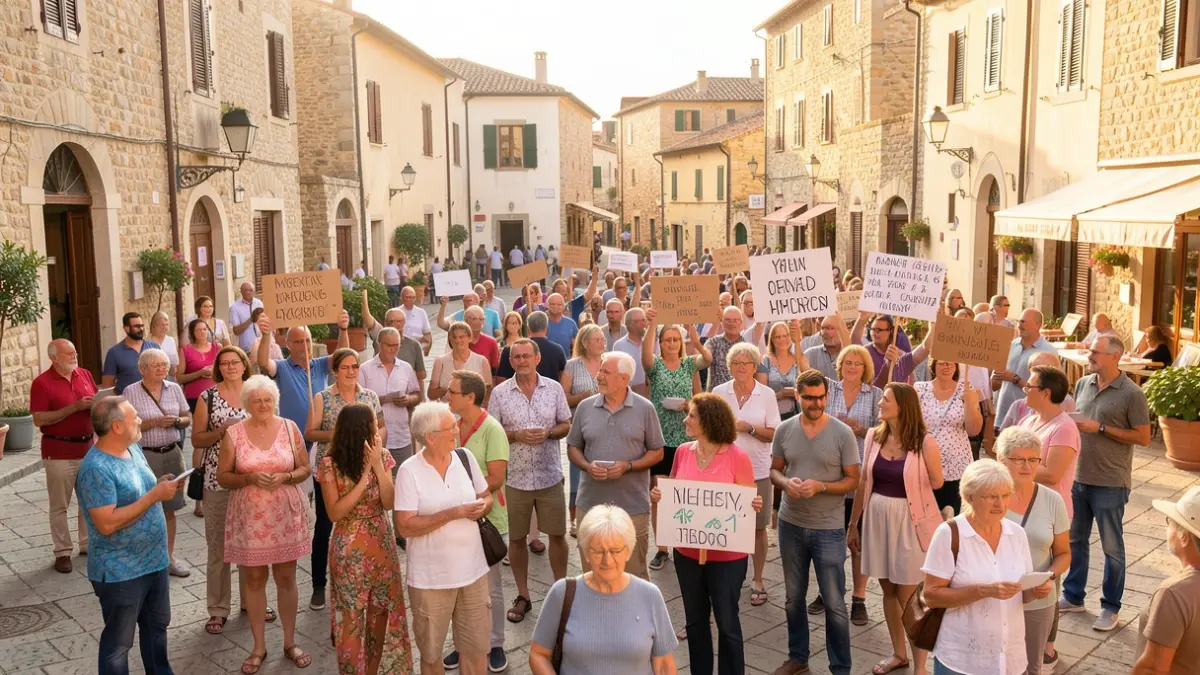
The call comes after three years of waiting since the commitments were made in the Health Plan, without key projects having materialized. The march will start at 11:00 a.m. and will cover the area between Pau Marsal street and the Montcada road, the site where the new urgent care and primary care center should be located.
“"In Terrassa, after 3 years of commitments with a Health Plan, we still do not have the CUAP-CAP, nor the CAP Nord, nor the expansion of the CAP Sud, nor the duplication of Cap Rambla. Enough is enough. Our lives depend on it."
This mobilization in Terrassa is part of a wave of protests across Vallès Occidental. Other municipalities such as Olesa de Montserrat, Rubí, and Viladecavalls have also organized rallies during February. All these actions will culminate in a unitary concentration scheduled for April 11, again in Terrassa.
Beyond local demands, the Commission demands general improvements in Catalan public health, including an increase in the budget, with the request that 25% be allocated to primary care. They also demand family doctor visits in less than 48 hours and the reduction of waiting lists for diagnostic tests and surgical interventions.
Finally, the entity emphasizes the need for dignified, uncollapsed emergency services, where “hallways are not care spaces.” They also call for reversing the precariousness of human resources and equipment in child and adolescent care and adults with mental health problems, and improving the working conditions of healthcare professionals, arguing that “vocation does not justify exploitation.”