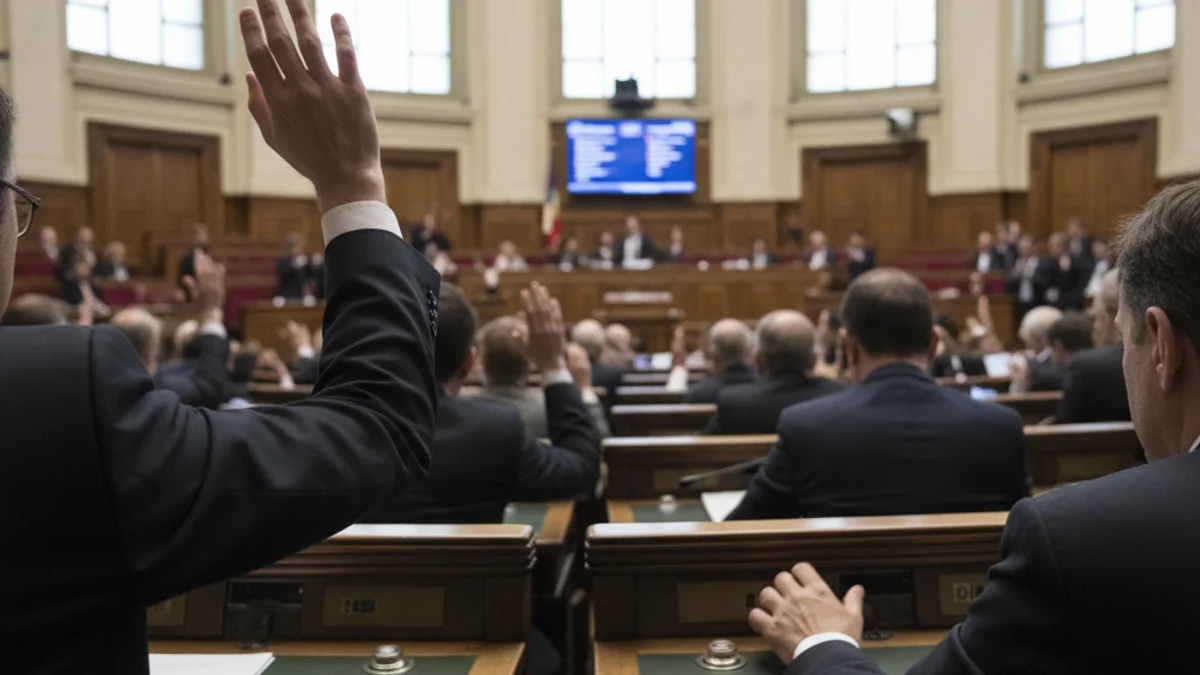
The vote represented a setback for the economic model defended by Carles Puigdemont's party, which demanded full fiscal and regulatory sovereignty over all taxes collected in Catalonia, as well as exiting the common regime of the LOFCA (Organic Law on the Financing of Autonomous Communities). On this point, Junts, ERC, and the CUP stood alone, with Aliança Catalana (AC) and Comuns abstaining, and PSC, PP, and Vox voting against.
Conversely, the singular financing proposal, promoted by the Comuns, received the green light. This motion calls for working to support the new proposal, which could represent, at minimum, an additional 4.7 billion euros annually for the Generalitat's budget. It was approved with the favorable votes of PSC-Units, ERC, and Comuns.
“"The economic agreement is a thing of the past and a dead end, and we must advocate for options in line with the parliamentary reality."
The result of the vote reflects the consensus reached between the Catalan Government and the Spanish Government, presented by First Vice President María Jesús Montero and Economy Minister Alícia Romero. ERC deputy Albert Salvadó accused Junts of seeking electoral gain and systematically refusing to be part of the solution, while Toni Castellà (Junts) defended the economic agreement as a 'historic opportunity'.