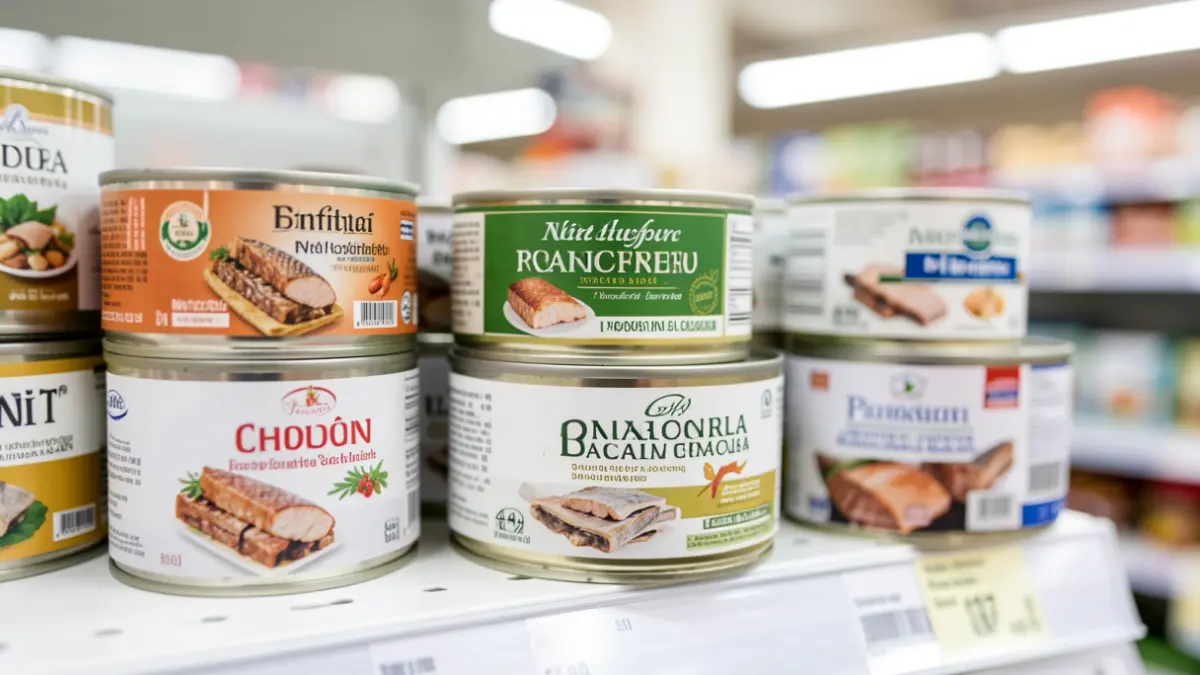
The current regulation requires that preserved fish and seafood packaging be more explicit about its contents. Terms like "sardineta" (small sardine) are no longer generic and can only be used for specimens meeting specific size requirements set by law.
This reform also affects other designations such as horse mackerel, Atlantic chub mackerel, hake, or elvers, whose names are now defined by official criteria recognized nationally and internationally. The goal is to ensure consumers know exactly what they are purchasing.
Beyond product names, the new regulation also mandates that each container include the species' scientific name, the fishing or origin area, and the product's presentation form (belly, loin, fillet, roe, or flaked). Mussels, clams, and cockles are now part of this unified system, updating regulations that in some cases were over forty years old.
Authorities will annually update the lists of valid designations. Non-compliance with this regulation may result in administrative sanctions. While the food content itself remains unchanged, the clarity in labeling represents a significant step for families to make more informed decisions about the food they consume.