The author borrows the article's title from a book written by the American sociologist and historian Tony Judt, published in 2010. This work, along with Time for Outrage! by Stéphane Hessel and The Global Minotaur by Yanis Varoufakis, remains entirely relevant at the start of 2026.
Judt's book highlighted the growing dissatisfaction among citizens, who saw their expectations for the future clash with the severe economic crisis of 2008. This frustration over unfulfilled promises triggered widespread social reaction.
Honestly, I do not believe there is a recipe to solve anything except the certainty that we are increasingly moving away from reasonable solutions, mesmerized by looking at ourselves, despising or envying our neighbor, depending on which side we look.
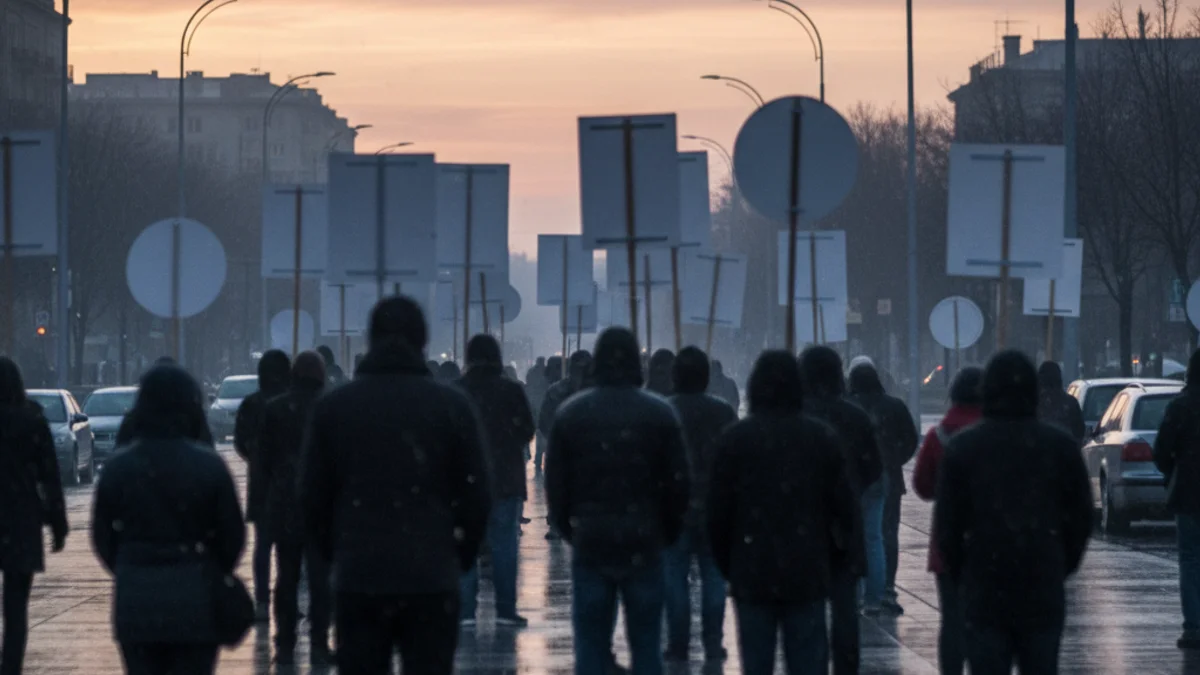
This reaction materialized in global movements such as the 15-M, the Arab Spring, Occupy Wall Street, the Anti-Austerity Movement in Greece, the Yellow Vests (Gilets Jaunes) in France in 2018, and even the independence process in Catalonia.
Currently, the consequences of this disaffection are visible worldwide, from Brexit to Donald Trump's MAGA movement. The author concludes that the idea that things are getting worse permeates the atmosphere, a feeling recently reflected by the farmer mobilizations in the Alt Empordà region.