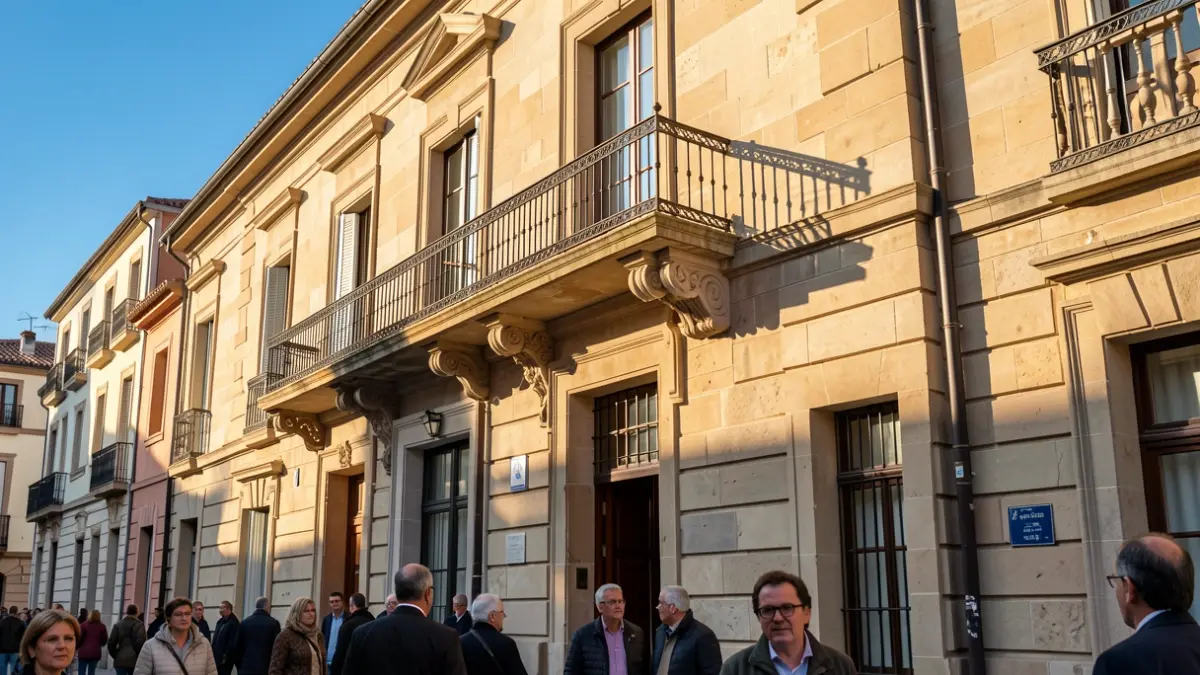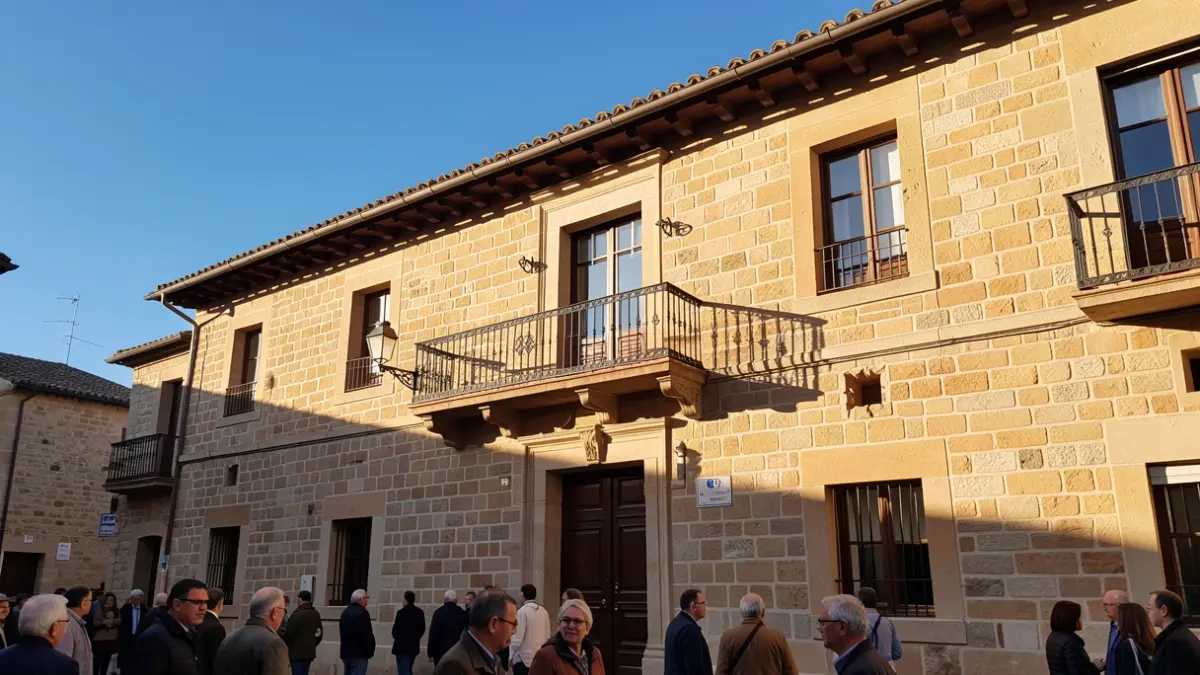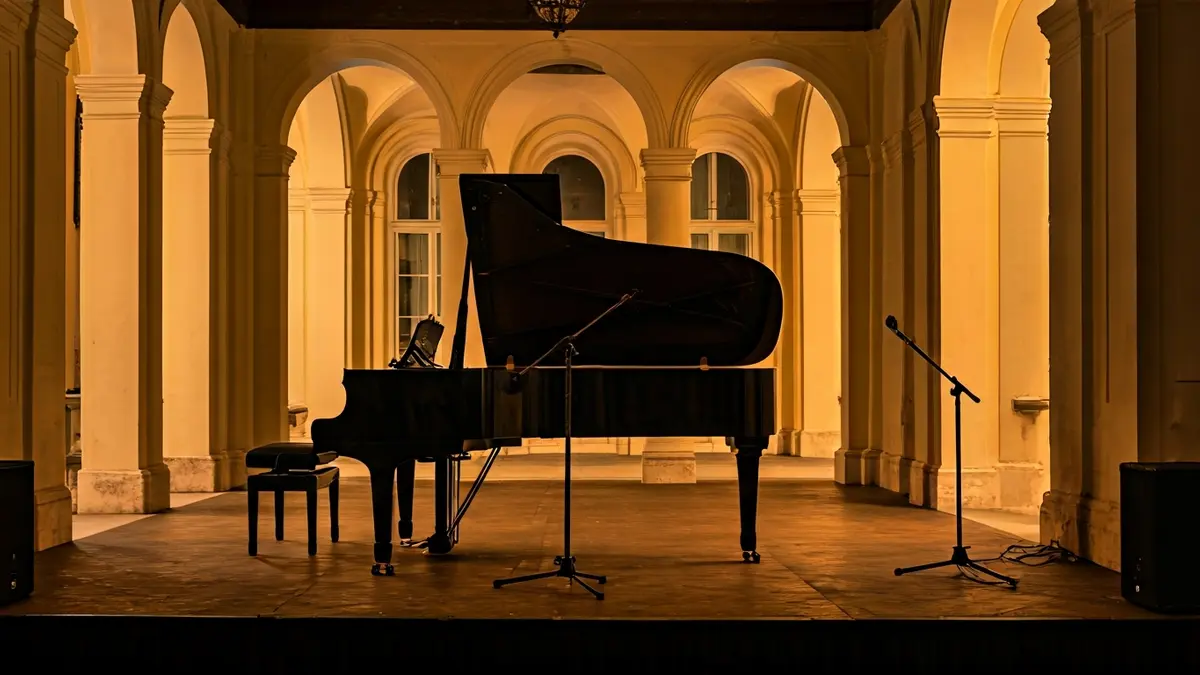
The musical event, scheduled for 12 noon at the Porxos de Can Laporta, will feature performances by soprano Maria Bañeras Carrió and pianist Alícia Daufí Muñoz. The program will include works by Conxita Badia and Pau Casals themselves, as well as by renowned composers such as Mompou, Xavier Gols, Alberto Ginastera, Manuel de Falla, Carlos Guastavino, and Enric Granados.
This initiative by the MUME is part of two significant commemorations: the Badia Year, marking the 50th anniversary of the soprano's death, and the 150th anniversary of the birth of Pau Casals, internationally recognized as the "universal Catalan."
Conxita Badia (1897-1975), born in Barcelona, was one of the most influential sopranos of the last century. Her repertoire spanned from Catalan, Spanish, and South American classical and popular songs to classical, romantic, oratorio, and ancient music. She also excelled as a pianist and was a favorite pupil of masters like Pau Casals, Granados, and Manuel de Falla. Despite her exile, she performed on major European and South American stages, becoming an ambassador for Catalan song and a teacher to great voices like Montserrat Caballé.
The concert also highlights the connection between Badia and Pau Casals, who also experienced exile. Casals resided for many years in Prada (Conflent), where he actively collaborated in supporting refugees and rebuilding Catalan culture. From there, he decided not to perform for Western powers in protest of their recognition of the Franco dictatorship. After breaking his silence, the cellist seized every opportunity to advocate for his country's freedom and democracy, such as his concerts at the White House for John Fitzgerald Kennedy in 1961 and before the United Nations in 1971.