L'Escala Mayor Josep Bofill has given a positive assessment of his term, noting the execution of a significant portion of the electoral program. Bofill, who also chairs the PSC group in the Girona Provincial Council, has indicated that despite successes, there are areas for improvement in the municipality, such as pending developments, public space maintenance, and facility upgrades.
The mayor explained that the three main pillars for the municipality's future are updating areas like Els Emperadors and El Riuet, enhancing maintenance and urban furniture, and investing in facilities. For this, external aid will be sought to avoid overburdening the municipal treasury.
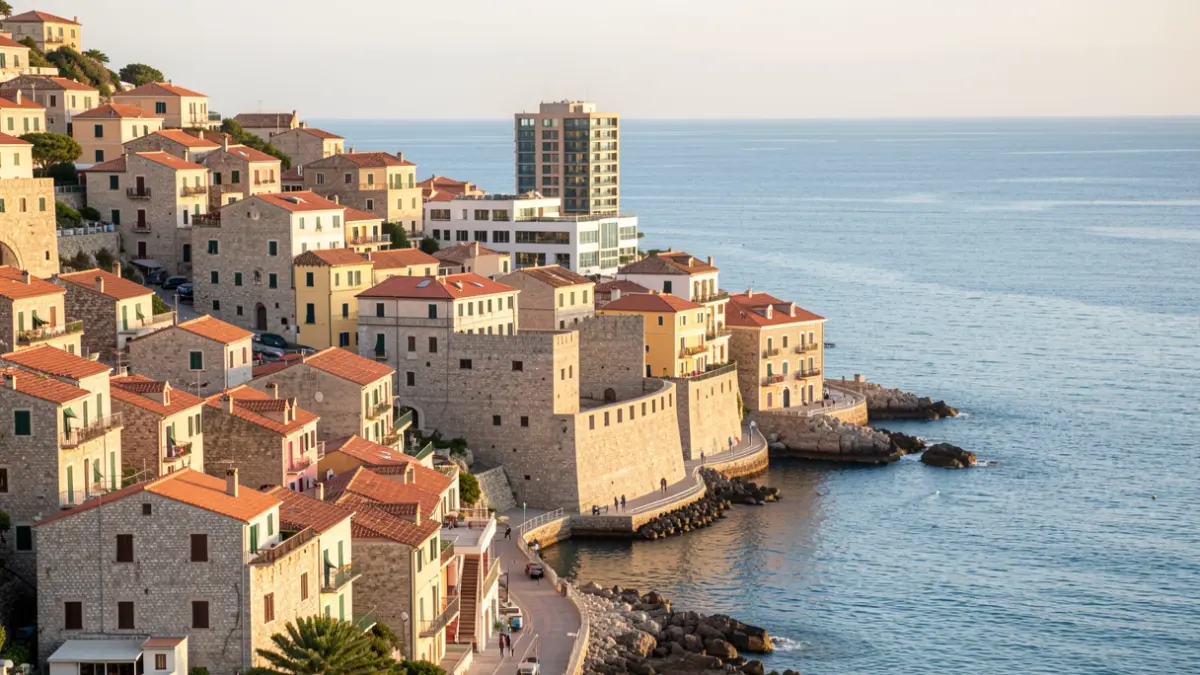
Bofill emphasized that his government's absolute majority has facilitated the implementation of the program, which is based on realistic and economically viable projects. He recalled the stability that allowed for projects like the seafront reform, which has made L'Escala an example of prioritizing people.
Regarding housing, the City Council has drafted a municipal action plan with about twenty initiatives to improve access, complementing the public housing development by Incasòl, which plans for around 80 affordable rental units.
Concerning the Poma pond project, Bofill hopes that public access can be facilitated before the end of the legislative term, despite urban planning complications and the management of the existing campsite. The aim is to open up the pond area and allow public access.
The mayor acknowledged the need for a new general urban plan (POUM) to replace the one from 1993. The intention is for the new plan to have a containment function, adapting to current environmental and cultural awareness, and prioritizing the improvement of the existing urban fabric, the incorporation of hotels, and the protection of heritage.
Bofill admitted that L'Escala's future lies in leveraging its natural, landscape, cultural, and tourist potential, as the municipality heavily relies on tourism. Efforts will be made to boost cultural activities outside the peak season and enhance hotel offerings to create more stable employment.
Mobility is another key deficiency. The mayor highlighted the importance of the connection to Camallera for railway access, which is essential for students, workers, and the elderly.
Regarding beach erosion, Bofill considers sand replenishment unsustainable and insists on the need to modify the Empúries breakwater, built in 1992, to restore natural sand movement and prevent the loss of southern beaches.