Negotiations between the Ministry of Transport and Sustainable Mobility and the train driver unions (Semaf, CCOO, and UGT) face a marathon weekend in Madrid to try and call off the national strike that will affect rail services from Monday until Wednesday 11. Despite initially distant positions, a key point of agreement is the need to reinforce network maintenance, an issue where the crisis in Catalonia has strongly influenced the talks.
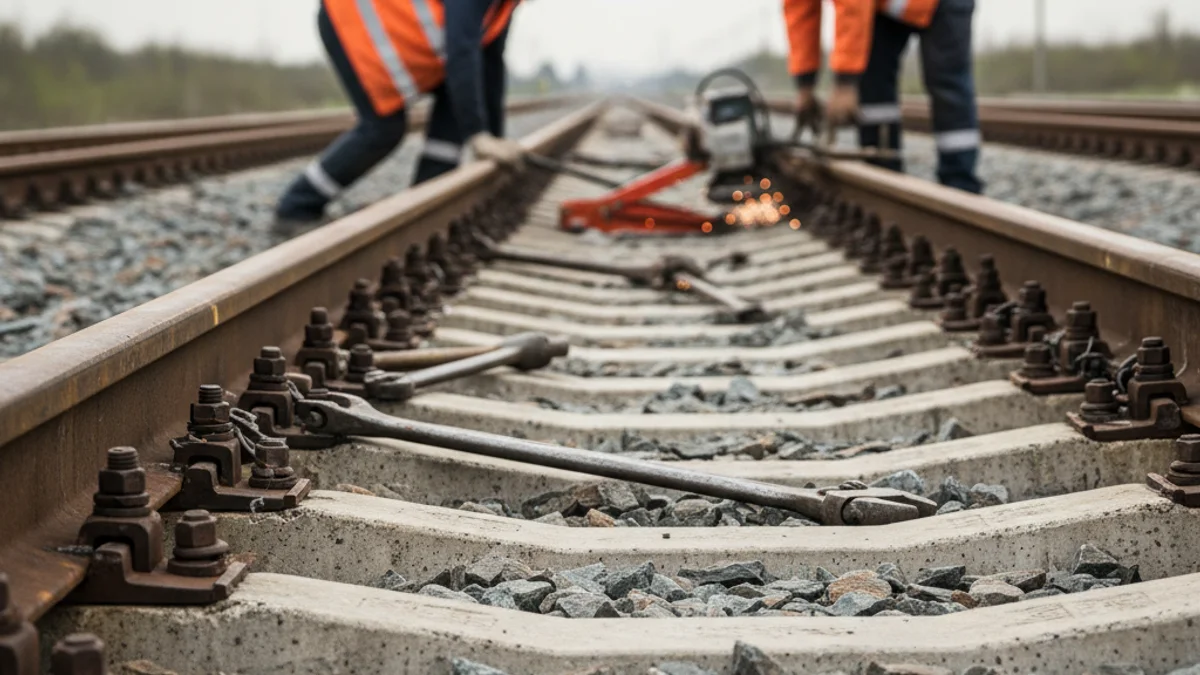
The drivers have requested the extension of the intensive review model, known as 'forensic', which began on the Rodalies network after the fatal accident in Gelida (Barcelona). This process, which unions call “the Catalan laboratory,” has identified up to 648 critical points requiring reinforcement across the 211 kilometers of the network, mobilizing over 400 Adif and collaborating company operators.
“"An immense effort."
The unions' goal is to replicate this express audit across the rest of the country, segmenting the network to detect and repair risk points, such as the track that caused the derailment in Adamuz (Córdoba), where 46 people died. The strike seeks a structural change for the safety and quality of the Spanish railway system, reversing the outsourcing of services, and increasing staff, especially following the Gelida and Adamuz accidents.
The Ministry has proposed, for now, increasing Adif staff dedicated to maintenance and boosting safety investments, measures that require authorization from the Ministry of Finance. It should be noted that minimum services will be lower in Catalonia (66% during peak hours) than in the rest of the state, which is also creating tension in the negotiations.