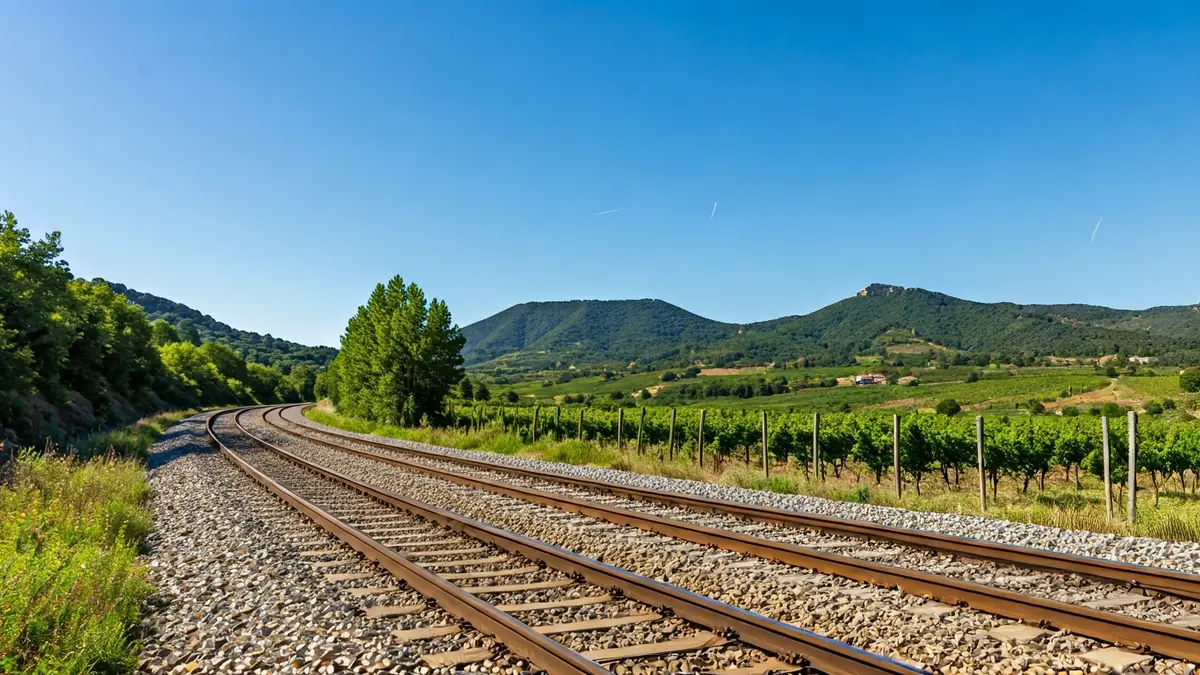
This reopening allows several towns, including Gelida, Sant Sadurní d'Anoia, Lavern-Subirats, la Granada, Vilafranca del Penedès, els Monjos, l'Arboç, and el Vendrell, to regain direct rail connection with Barcelona, avoiding transfers to other lines or transport services. The section had been closed since January 20 due to the incident.
The resumption of service on this segment also implies the full restoration of the rail link between Sant Vicenç de Calders and Terrassa Estació del Nord. However, between the Egarense station and Manresa, a complementary service combining road transport and shuttle trains will be maintained to ensure user mobility.
In addition to the changes on the R4, the Rodalies de Catalunya network has seen other significant improvements. The Maresme line has returned to normal, with the full train route between Maçanet-Massanes and l'Hospitalet de Llobregat, eliminating the need to transfer at Blanes. Likewise, the R1 has restored its usual frequencies, offering up to eight trains per direction between Barcelona and Mataró during peak hours.
Regarding the R2 Sud, Adif's works between Garraf and Sitges will lead to an adaptation of schedules. Frequencies between Granollers Centre and Castelldefels will be increased, and the offer for Regionals travelers using El Prat de Llobregat station as a transfer point will be expanded. Renfe has indicated that the extended infrastructure maintenance schedule by Adif will maintain the alternative road service between Blanes and Maçanet-Massanes between 10:00 PM and 8:00 AM.