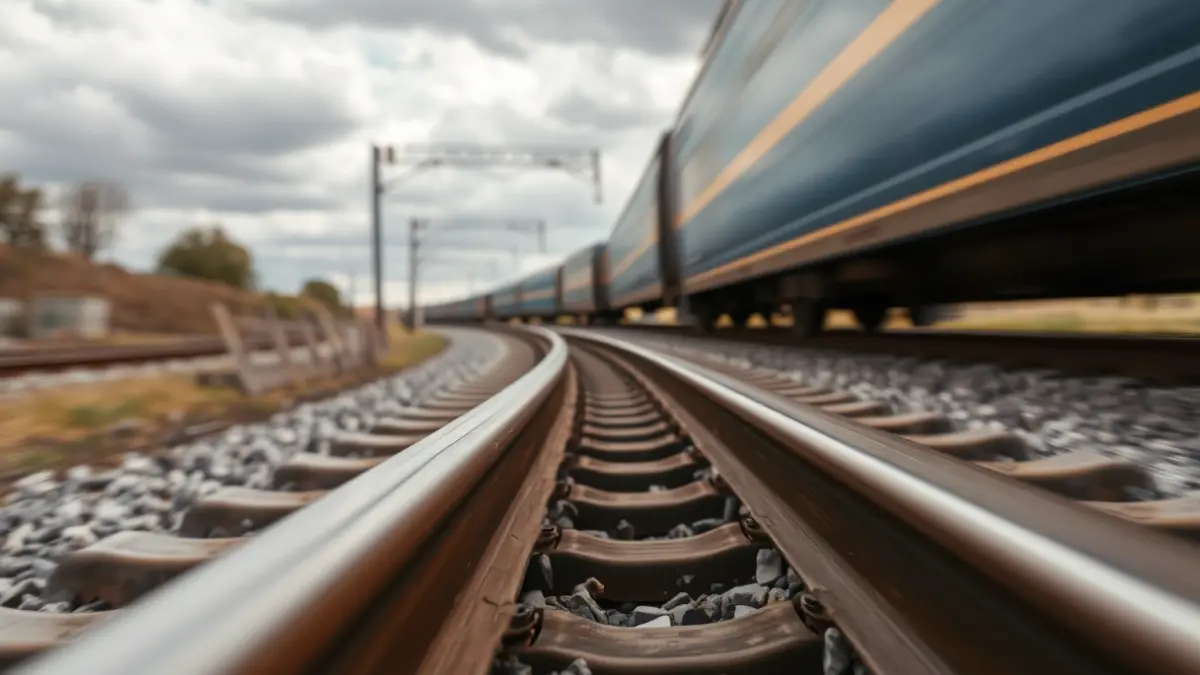
The decision to waive ticket fees was made after a series of serious incidents that affected the network. On January 20, an accident near Gelida, on the R4 line, resulted in the death of a trainee driver and left forty people injured, five of them seriously. This event followed the derailment of a high-speed train in Adamuz (Córdoba) two days prior, which caused 46 fatalities.
These events led to an almost complete shutdown of the Rodalies network for three days. Drivers, called by a union, held two days of strikes to protest infrastructure deficiencies and safety shortcomings that, according to them, were highlighted by the accidents.
In response to the situation, the government, in collaboration with railway companies, established a crisis committee. Shuttle buses were arranged to cover affected sections, and metro services in Barcelona were reinforced to mitigate inconvenience for users.
The situation generated indignation among travelers, tired of suffering years of deficiencies in the train network.
Public outrage was evident on February 7, when thousands of people gathered in Barcelona, called by various platforms, to demand urgent improvements and denounce the lack of investment in railway infrastructure.
Train circulation was gradually restored, with speed limits in many sections. Points requiring urgent works were identified, such as the Garraf tunnel, with a budget exceeding 90 million euros. Some of these works are still underway.
The free service, which had been extended monthly, is no longer considered necessary by the government, which states that Rodalies has recovered 90% of its usual passenger volume.