The former manager of the slaughterhouse, Domènec Estany, spent about ten years searching for a replacement to maintain the activity and continue utilizing the facilities, which began operating more than 65 years ago. Although there were interested parties, negotiations failed to materialize, leading to his retirement and the definitive closure of the facility.
“"For external companies, we are exaggeratedly small and do not meet their expectations, and for local people, we are too big. Finding the ideal fit is complicated."
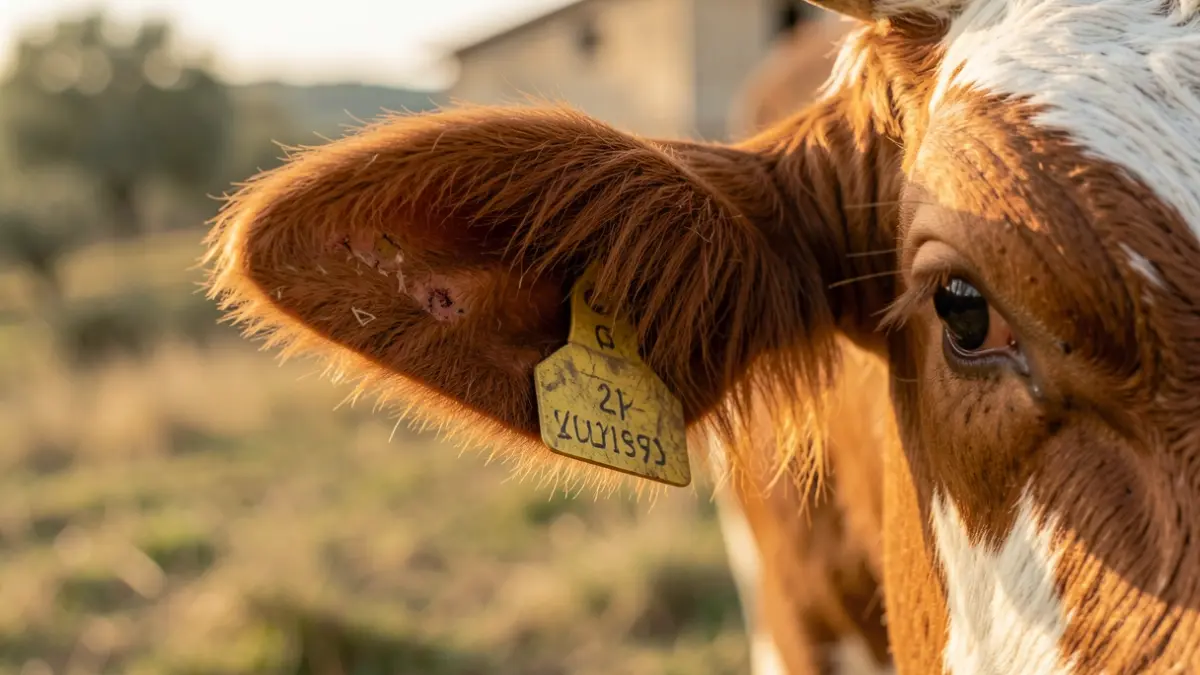
The premises in La Seu d'Urgell are prepared to receive between 300 and 400 animals per week. They not only managed slaughter but also meat product elaboration, featuring maturation chambers and specialized rooms. Before the closure, the facilities hosted the production of about 130 families from the Pyrenees linked to the Protected Geographical Indication (PGI) Catalan Pyrenees Veal.
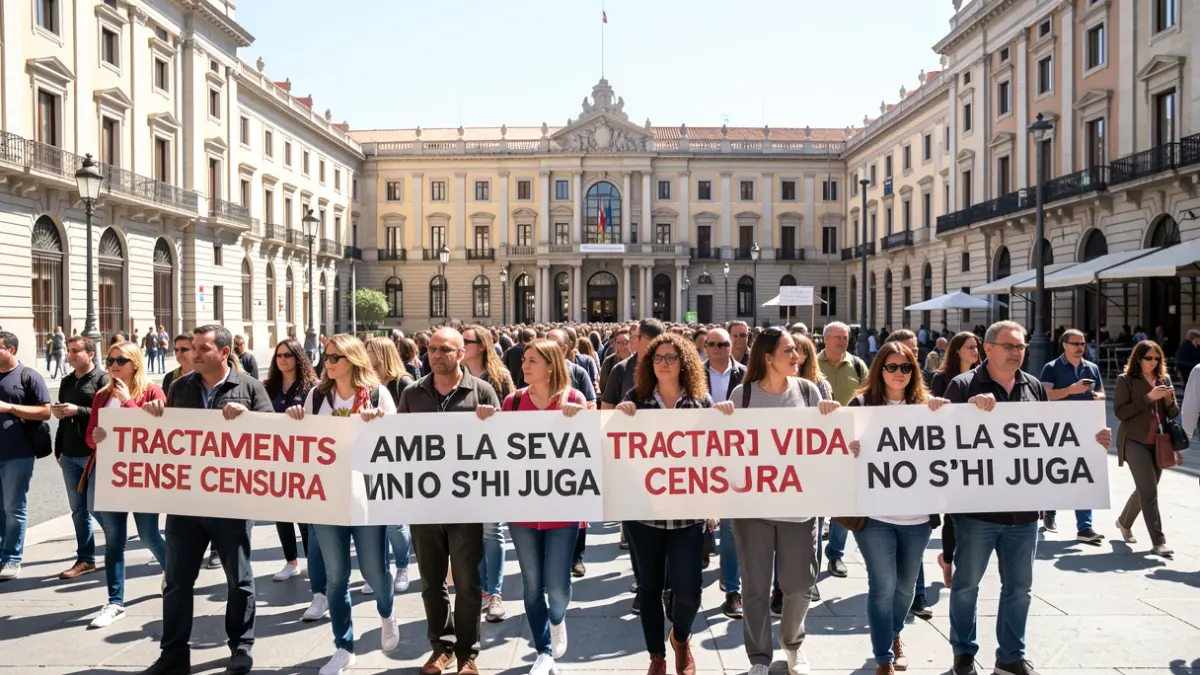
“"The closure of the La Seu d’Urgell slaughterhouse represents a great loss for the sector and reduces the competitiveness of small meat producers."
Joan Guitart, coordinator for the mountain regions of the Unió de Pagesos union, regrets that farmers must now travel to Balaguer or the cross-border slaughterhouse in Alta Cerdanya, where prices are higher. He adds that transport causes “stress” to the animals and calls for administrative involvement to reactivate the facility, suggesting a cooperative management model where farmers are the main shareholders.