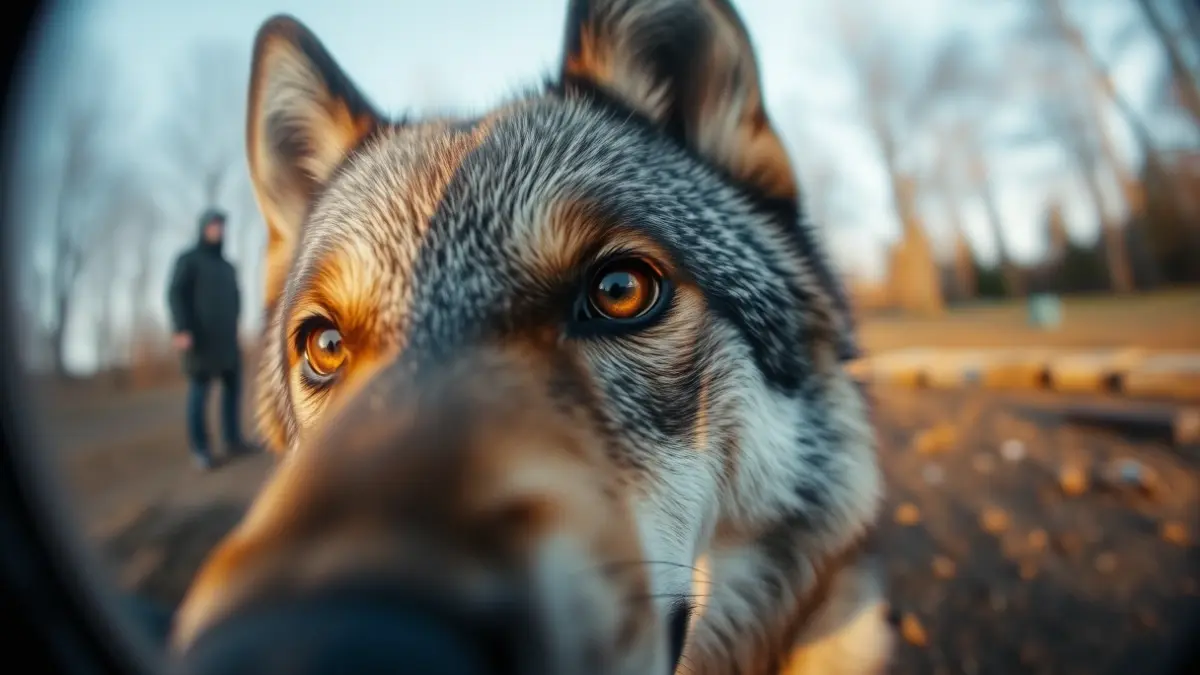
This new attraction, similar to those found in various zoological centers in France, offers an immersive experience where the animals perceive the window as a mirror. After a trial period last summer, Aran Park's management has incorporated the wolf observatory into its offerings for this season.
Initially, the project envisioned a room where visitors could spend the night surrounded by the animals. However, this option was discarded due to complications in obtaining authorizations for accommodation use. Instead, daytime visits of about twenty minutes are offered, during which a guide explains the peculiarities of the Canadian wolves residing there, as well as other varieties of the species. Visitors also have the opportunity to safely feed the animals through tubes.
“"This experience has been well-received by the public since its inception."
Access to this observatory has an additional cost of 5 euros on top of the general admission price. This novelty joins other initiatives launched this season, which began last March, coinciding with the Easter holiday period, and will extend until October.
Furthermore, Aran Park offers the possibility of acting as animal caregivers, with visits that include feeding and access to areas of the enclosure normally closed to the public, always with prior reservation. The wildlife park has also introduced nocturnal visits for organized groups and has incorporated new species, such as six small kangaroos known as wallabies and Patagonian hares. With these innovations, the center, specializing in native Pyrenean fauna but also featuring specimens from around the world, seeks to maintain and renew visitor interest year after year.