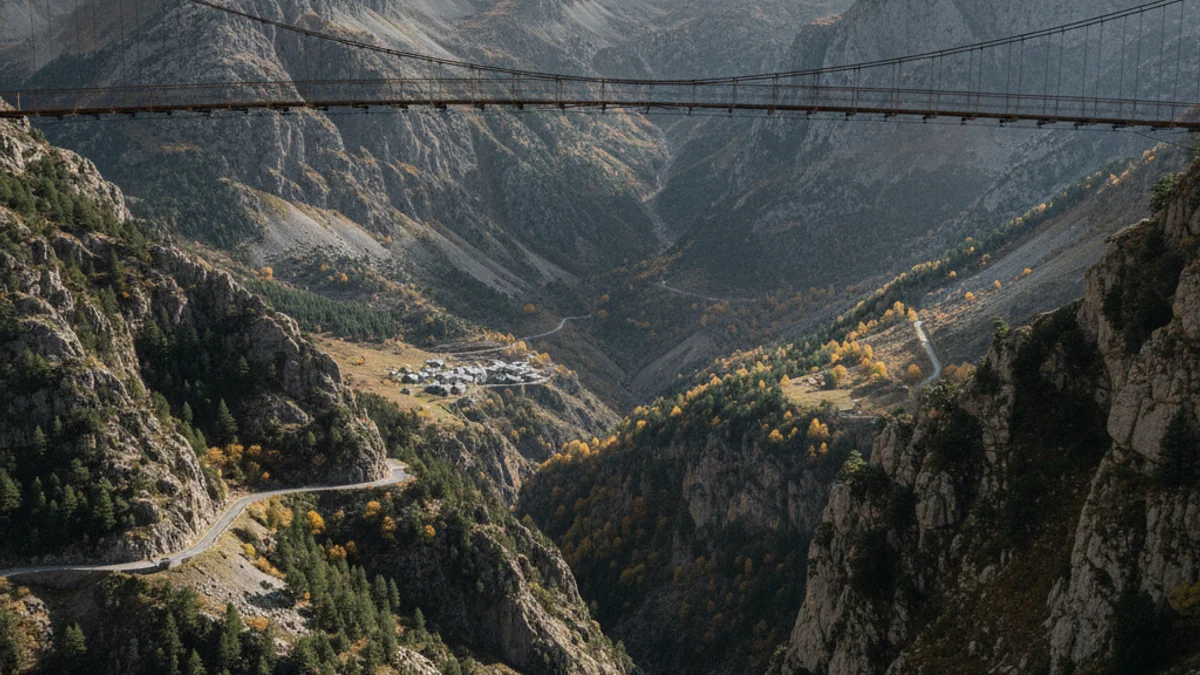
This new legislation will replace the current regulation approved in 1983, aiming to respond to the new economic, social, environmental, and institutional challenges facing the territory. The territorial scope of the law includes the Aran and the counties of Alta Ribagorça, Pallars Sobirà, Pallars Jussà, Alt Urgell, Cerdanya, Solsonès, Berguedà, and Ripollès. These 144 municipalities represent 28.3% of Catalonia's surface area.
The specificities and associated challenges of mountain territories continue to necessitate public intervention through positive discrimination policies, integral and adjusted to their territorial reality.
The Minister of Territory, Sílvia Paneque, detailed the three basic lines of the new law: the establishment of a technical structure, the creation of the Strategic Action Plan, and new governance. The High Mountain Technical Office will be created, acting as an observatory and coordinating the deployment of the Plan, which will be valid for six years and include publicly funded driving projects.
Regarding governance, the General Council of the High Mountain will be reformulated to transition from a merely consultative body to one of participation and decision-making. Furthermore, the Action Plan includes a specific section for areas requiring special attention, such as the Aran, Alta Ribagorça, Alt Urgell, Cerdanya, Pallars Jussà, and Pallars Sobirà. La Garrotxa, previously included, has been excluded for not meeting the physical criteria of high mountain, although it will retain some benefits.