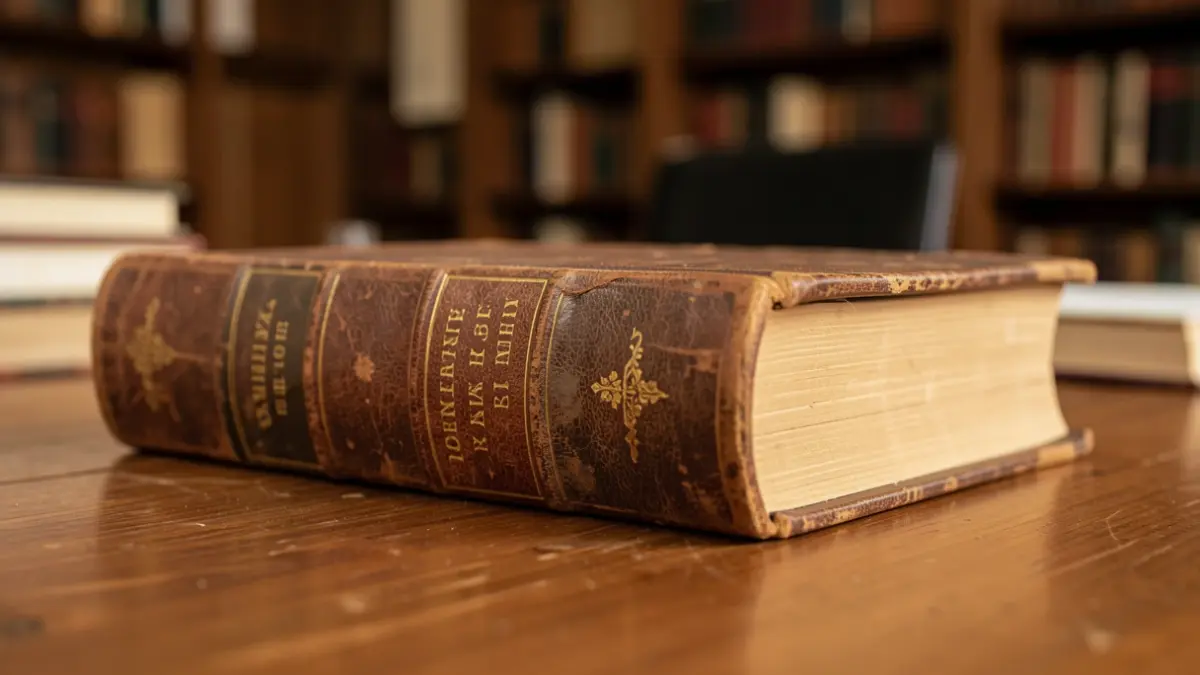
Nus's work pays a deep tribute to the folklorist Palmira Jaquetti and the inhabitants of the Pyrenees who sustained the territory a century ago. The novel stems from the recovery of the diaries that Jaquetti wrote during her missions collecting songs for the Popular Songbook of Catalonia.
“"The sensitivity, respect, and humility with which she honors the mountain people is an aspect to highlight."
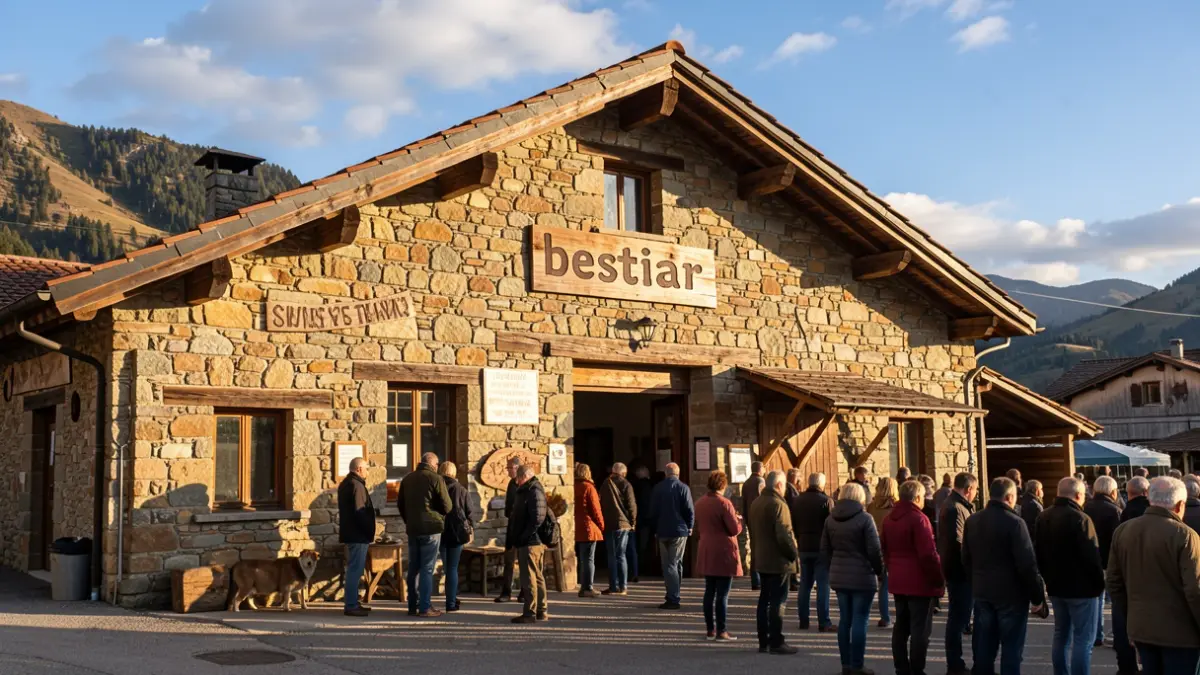
Arties, in the Val d'Aran, becomes the novel's “base camp,” as it was where Jaquetti began spending her summers after the war. From this location, the protagonist recalls her experiences, including passages set in Barcelona, Pallars, or Alt Urgell, offering a “very precise photograph” of life in the 1920s and 1930s in the Pyrenees.
Palmira Jaquetti is described by Nus as a multifaceted and “very brave” woman. In the twenties of the last century, she traveled the Pyrenean villages on horseback or donkey to compile songs. In addition to being a folklorist, she was a pedagogue, composer, and poet, and was deeply committed to social inequalities, even hosting girls from Arties who wished to study in her Barcelona home.