The reality of Iran is a puzzle of nations and aspirations often clashing with central power. Abel Gallardo, who maintains close ties with the Persian country, shares testimonies like Meri's, an exiled Iranian who sees the regime's fall as a historic opportunity for freedom.
“"It is not a war against Iran but for Iran. The regime killed 32,000 people and we need the help of other countries."
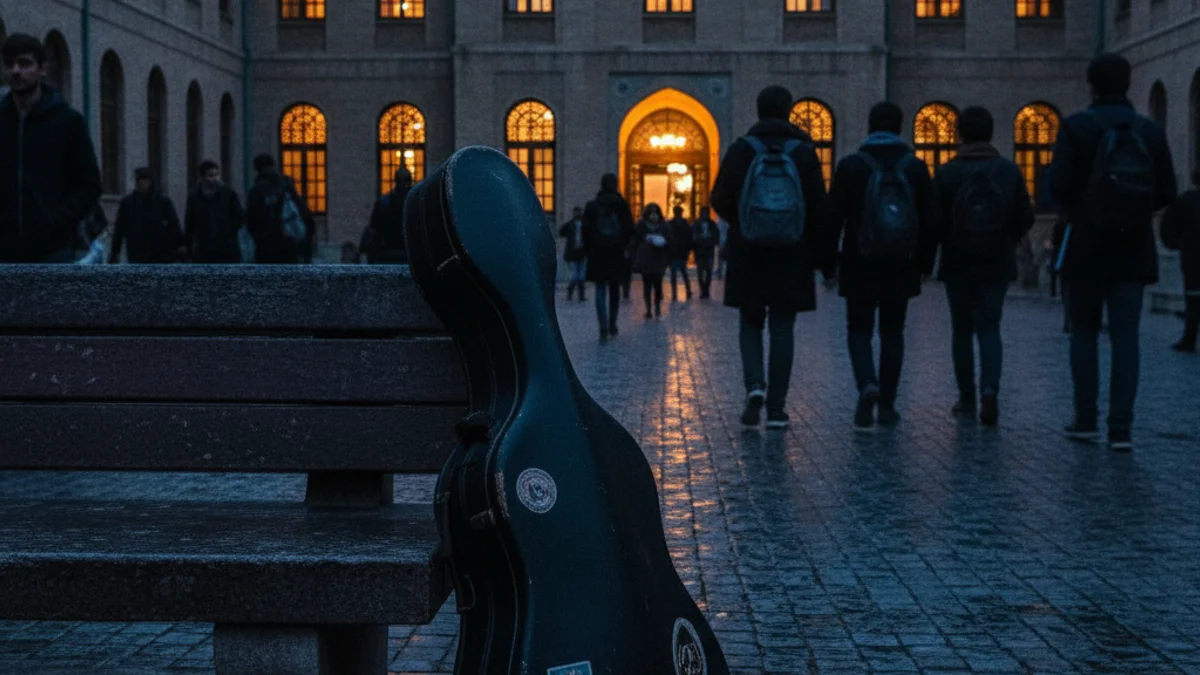
The analysis recalls moments of cultural resistance, such as underground rock concerts at Tabataba'i University in Tehran or private parties in Tabriz, where women remove their veils in defiance of moral codes. This desire for openness peaked in 2022 after the death of Masha Amini.